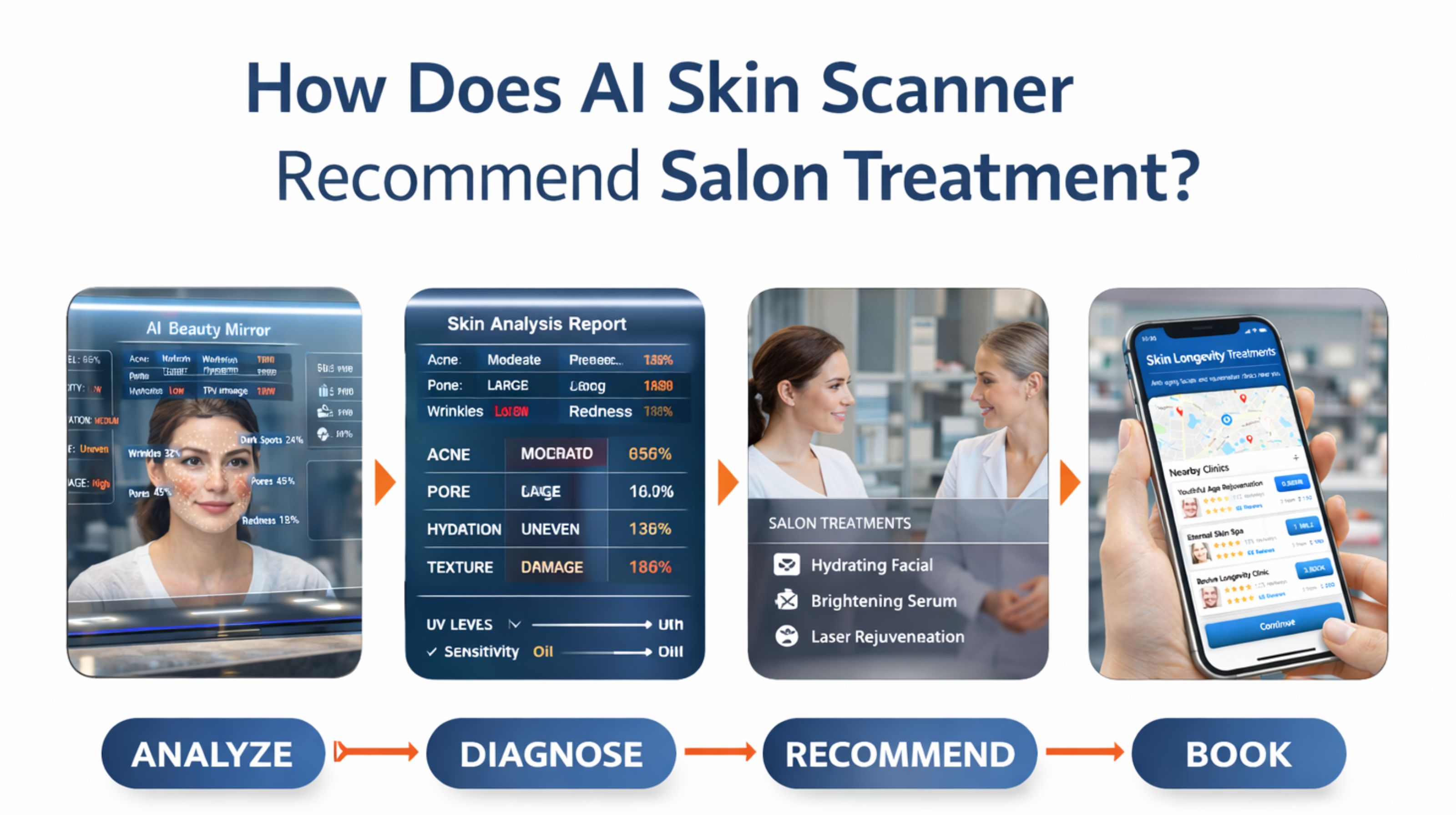


You're in the chair, this little machine whirs by your face, and suddenly there's a chart. Wrinkles, pores, spots all lit up. The therapist points and says, "See? You need this." But... how? How does it decide? And is that *really* what my Indian skin needs? That space between the chart and the plan they suggest—that's where I get stuck. That's where things feel off.
Clarity: The Scanner's Report vs. The Salon's Pitch
It's just data. Measurements. It looks at light bouncing off your skin, takes super-zoomed pictures, and spits out numbers for hydration or pores. It's not a doctor. But in the salon, they'll often just point at the red parts, the "high" readings, and suddenly it's an emergency you need to fix. Creates this pressure, you know? Something I didn't realize—two different machines can give you different results on the *same day*. Depends on the brand. The big thing it can't do? See *under* your skin. Can't tell if your pigmentation is from the sun or your hormones. It just sees the surface.
Reality Check: What Happens on Indian Skin Tones
This is a real worry. A lot of these devices... they're made for lighter skin. So on our deeper tones, the reading for dark spots or redness can be wrong. It might say you have major "hyperpigmentation" and push you toward brightening treatments. But what if you just wanted hydration? Or to prevent aging? Our skin has different needs—like how it can get darker spots *after* a harsh treatment. If you just follow the scanner's generic plan, you could actually make the pigmentation worse. They don't always talk about that.
Mistake: Trusting the Algorithm Over the Consultation
The biggest pitfall is letting that screen do all the talking. It's a snapshot. A person should be asking you things: What do you use at home? Any allergies? Even how stressed you are lately. I've heard of people booking a treatment just because the scanner said "pores" were the top problem, but they personally cared more about dullness. And then they're disappointed. The machine doesn't know if your skin is reacting to a new cream or if it's just a dry winter day. So you're left wondering: do I listen to this "scientific" machine, or to what I know about my own face? It's a tension. For more on how to handle the salon chat, you can look at our blogs.
Decision Help: How to Use the Scan Wisely
Think of it as a conversation starter, not the final answer. Make them explain. *Why* that treatment for *that* issue? A good sign is if they look at the scan *and* then ask about your moisturizer or that time you broke out from a product. Here's the boundary: the scanner might say you need "hydration," but the therapist picks the actual serum or mask. Your call should depend on the salon's experience with skin like ours and what ingredients they're using. Places like parlourtime can show you reviews, so you can see if a salon's real-world results match their tech promise. And always, *always* do a patch test first. The scanner won't tell you if you'll have a reaction.
FAQ
q How accurate are AI skin scanners in salons?
a For surface stuff, like flaky skin or big pores under their lights, it's okay. But it's not a medical device. The accuracy... it changes with skin colour, the room's lighting. It should be just one part of figuring things out, not the boss.
q Can the scanner tell me exactly which facial to get?
a No. It can only point out issues—like "low moisture." The specific facial, the actual products, that's up to the therapist. A "hydration" reading could mean ten completely different treatments.
q Why might my scan look worse after a treatment?
a Some facials cause temporary redness or irritation. The scanner will see that right away and it looks bad. Doesn't mean it didn't work. Real results, like smoother skin, take time. You won't see that on a scan the next day.
q Should I avoid salons that don't use this technology?
a Not really. A really experienced therapist who asks the right questions can be better than a fancy machine with someone who doesn't know how to use it properly. The tech is just a tool. The best case is when a skilled person uses it to help, not replace, their own judgement.