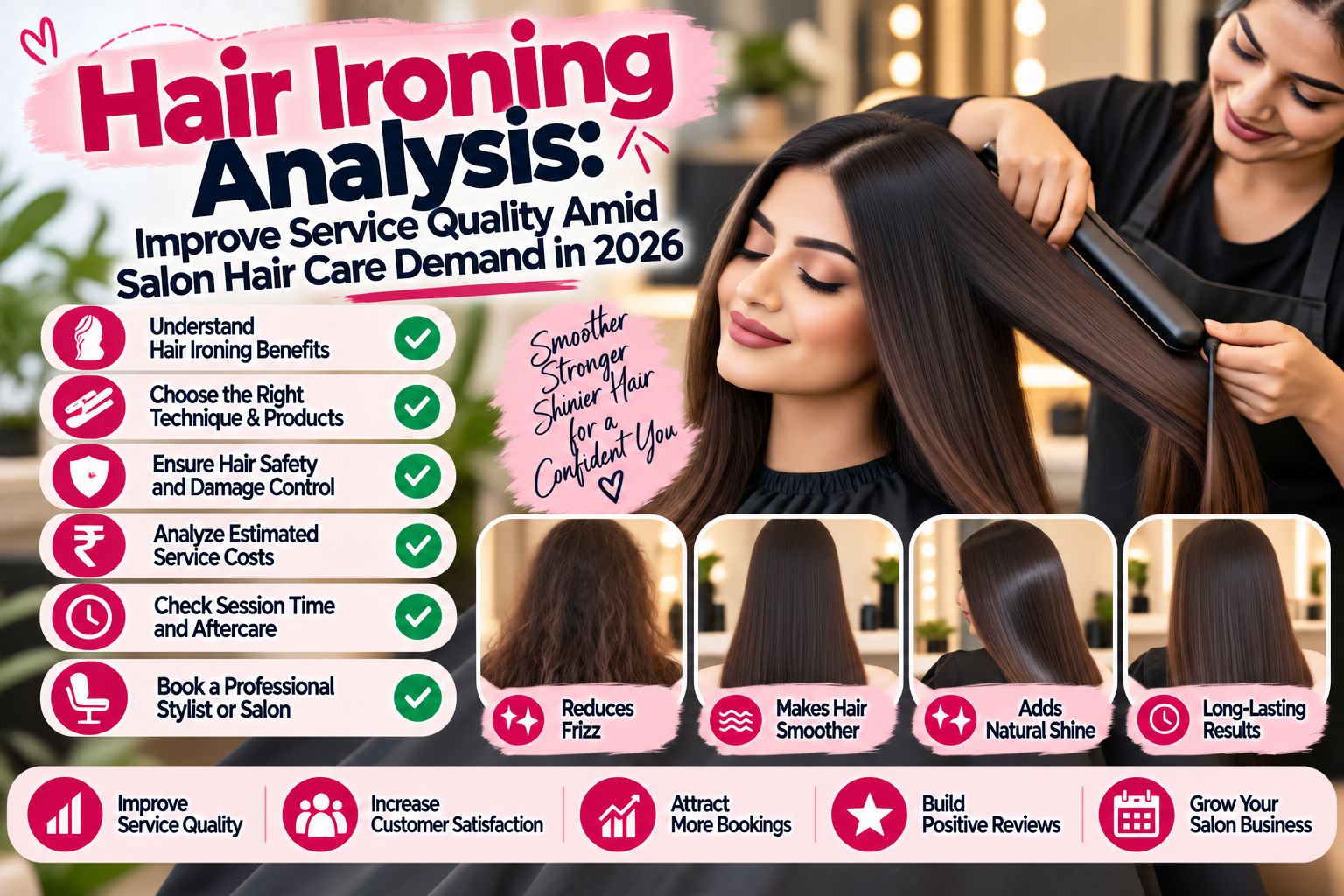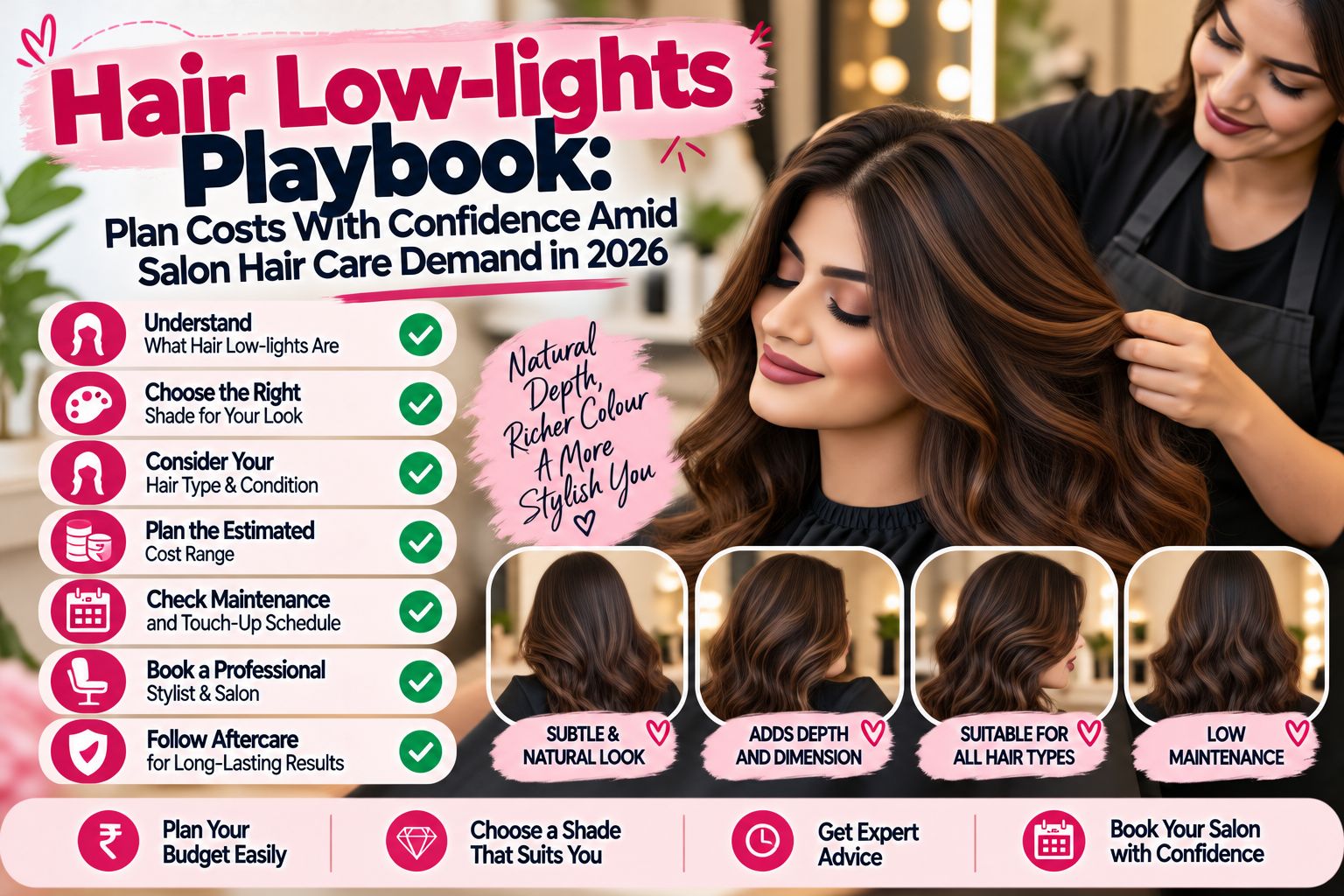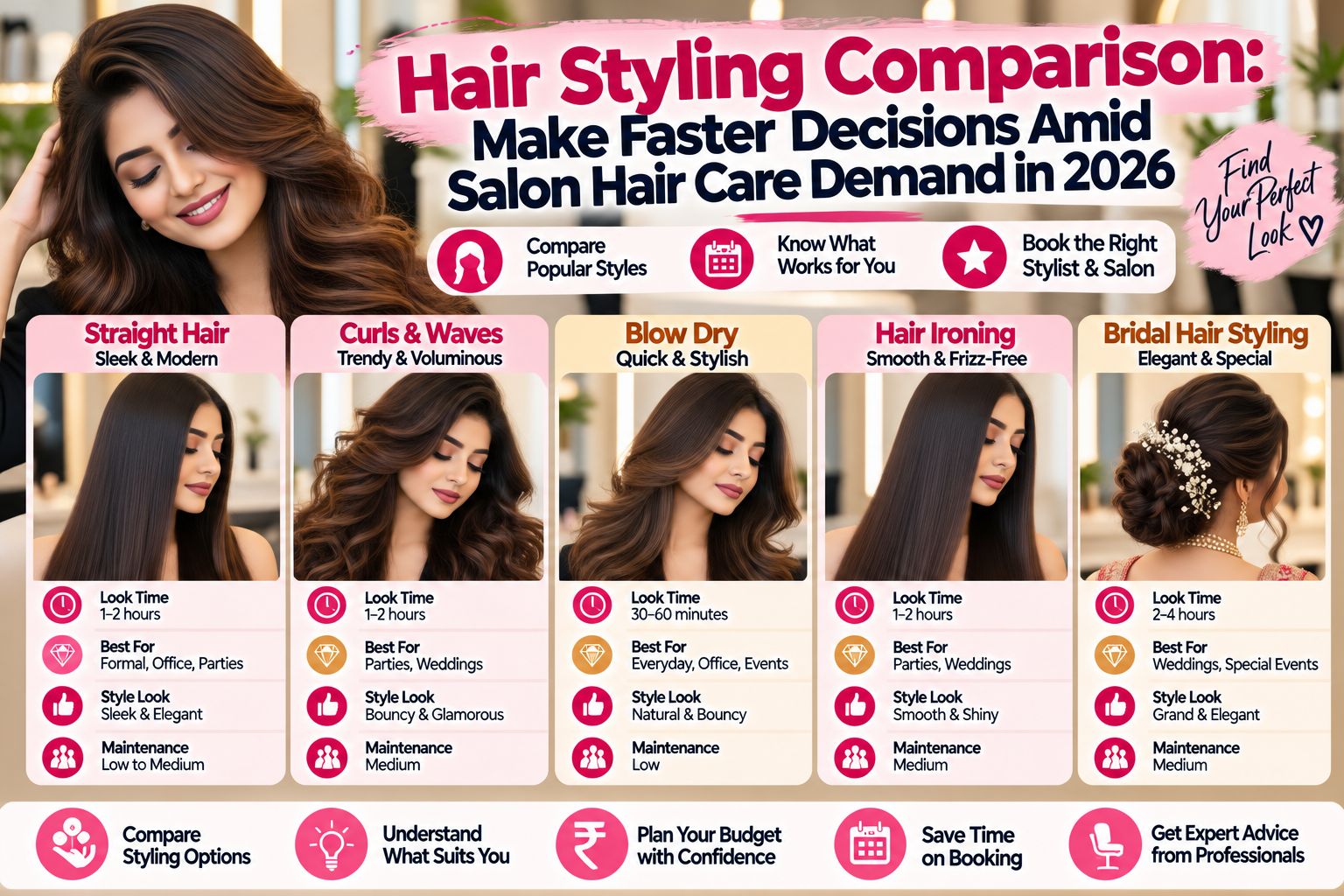


Understanding your curly hair types is more than just knowing if you have waves or coils — it’s the first step to stopping bad product purchases and salon frustration. Many people in India with thick, frizzy hair mistakenly use straight-hair routines — you know, the kind your mom used on you since childhood — leading to limp roots and undefined curls. If you’ve ever felt your curl pattern is unpredictable or your products never work, this guide will help you decode your hair's specific needs based on real texture behaviour in humid conditions. And trust me, I've been there, staring at a shelf full of half-used bottles.
What Your Curl Type Really Means After A Wash Day
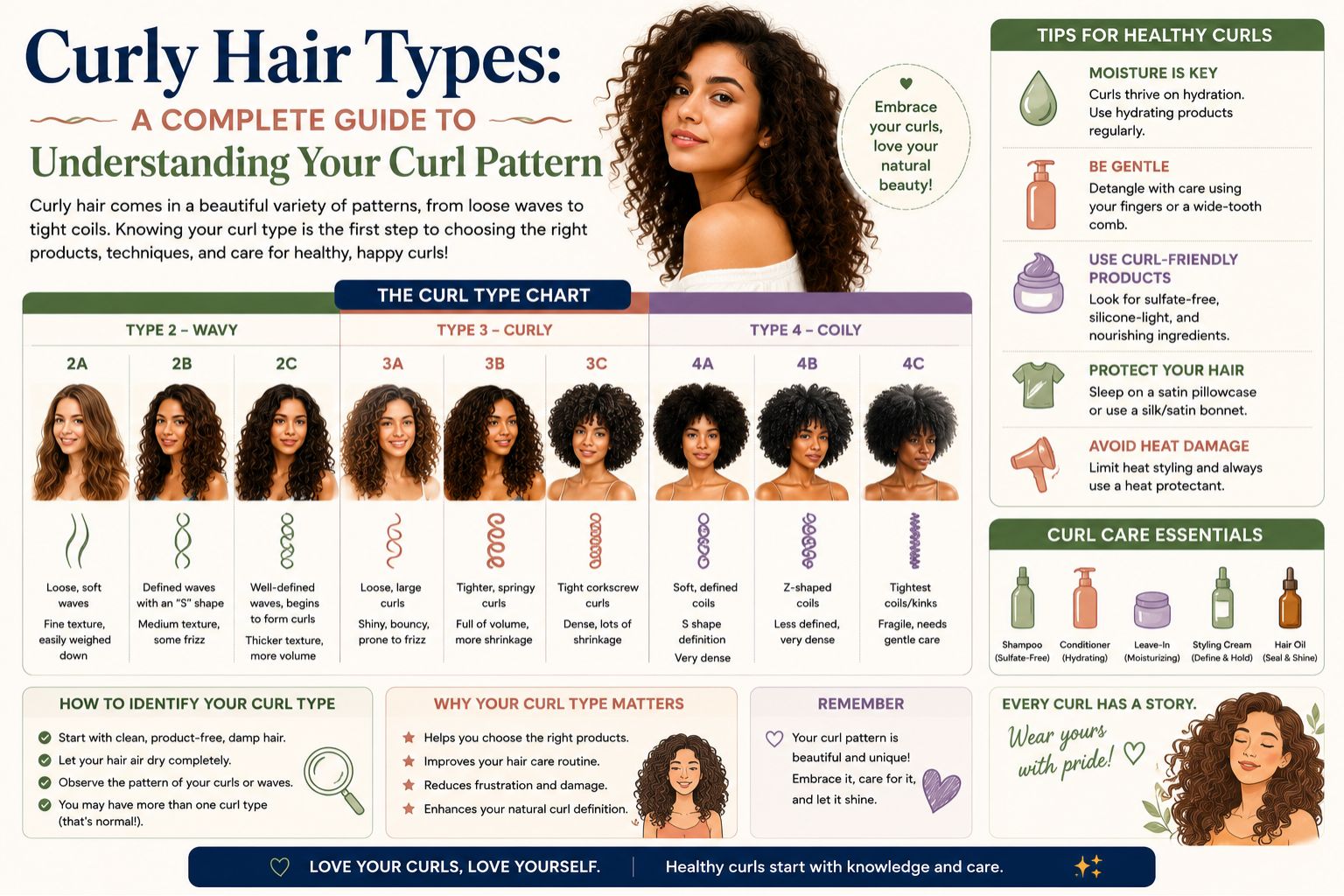
Your curl type, whether it's Type 2A waves or Type 4C coils, determines how your hair holds moisture and responds to products. A common observation in Indian salons is that clients with Type 3 hair (loose curls) often over-moisturize, causing their curls to fall flat by afternoon — that's exactly what happened to my cousin before her wedding. Meanwhile, Type 4 hair (tight coils) needs richer creams to avoid breakage. One non-obvious detail is that your curl pattern can change with hormonal shifts or damage — something many people overlook when switching products, thinking they just bought the wrong brand.
Why Most People Misidentify Their Curly Hair Type At Home
Many assume that if their hair forms a loose wave, it’s Type 2A, but in high-humidity Indian weather, that same wave can tighten into a Type 3A curl. I've seen it happen — my hair looks wavy in winter and suddenly becomes a spiral mess during monsoon. This misidentification leads to buying the wrong gels or mousses, wasting money on products designed for looser patterns. A common misunderstanding is that curl typing is permanent — but heat damage, chemical treatments, or even tight hairstyles can alter your pattern. The boundary where this stops working is when your hair becomes so heat-damaged that no curl cream can restore its natural shape, and you're left wondering if you should just cut it all off.
The Mistake That Causes Curly Hair Products To Fail Entirely
One major risk is using heavy butters on fine Type 2 curls, which weighs them down and creates a greasy look — you know that feeling when your hair looks oily but feels dry? Conversely, using lightweight sprays on dense Type 4 coils leaves hair dry and brittle. In reality, the mistake is ignoring your hair’s porosity — high-porosity hair absorbs products quickly but loses moisture, while low-porosity hair repels heavy creams like it's personal. A real salon observation is that stylists often see clients who use silicone-heavy serums thinking they help, but these only cause buildup and limp curls over time. I fell for that one myself.
How To Choose Products And Timing Based On Your Curl Pattern
To decide what works for your curly hair types, match your routine to your pattern’s density and environment. For example, Type 2 waves benefit from light mousse and diffusing on low heat, while Type 4 coils need deep conditioning before styling — no shortcuts here. A key timing consideration is that wedding season or event bookings often push people to try new products at the last minute, leading to bad reactions — always test your routine at least two weeks before a big day. If your curl type doesn’t respond to typical products, parlourtime offers insights into service-dependent routines that consider your texture first. Honestly, sometimes you just need someone to tell you what to do.
FAQ
q: What is the easiest way to identify my curl type at home?
a: Wash your hair with a mild shampoo, let it air dry completely without touching, and check the natural shape — Type 2 forms S-waves, Type 3 forms spirals, and Type 4 forms tight zigzag coils. Don't cheat by scrunching it.
q: Can my curly hair type change over time?
a: Yes, hormonal changes, hair damage from heat styling, or chemical treatments like rebonding can permanently alter your curl pattern, making it looser or more irregular. So that perm you got last year? Might've changed things.
q: Is it necessary to use different products for different curl patterns?
a: Absolutely — Type 2 curls need lightweight hydration to avoid weighing them down, while Type 4 coils require rich creams and butters to seal moisture and reduce breakage. Don't just grab whatever's on sale.
q: What should I do if my curls look undefined after using recommended products?
a: Check if you have product buildup or if your hair needs protein treatment; also, your curl type may need a clarifying wash followed by a routine tailored to your porosity, not just your pattern. For detailed guidance, refer to our blogs on curl care.