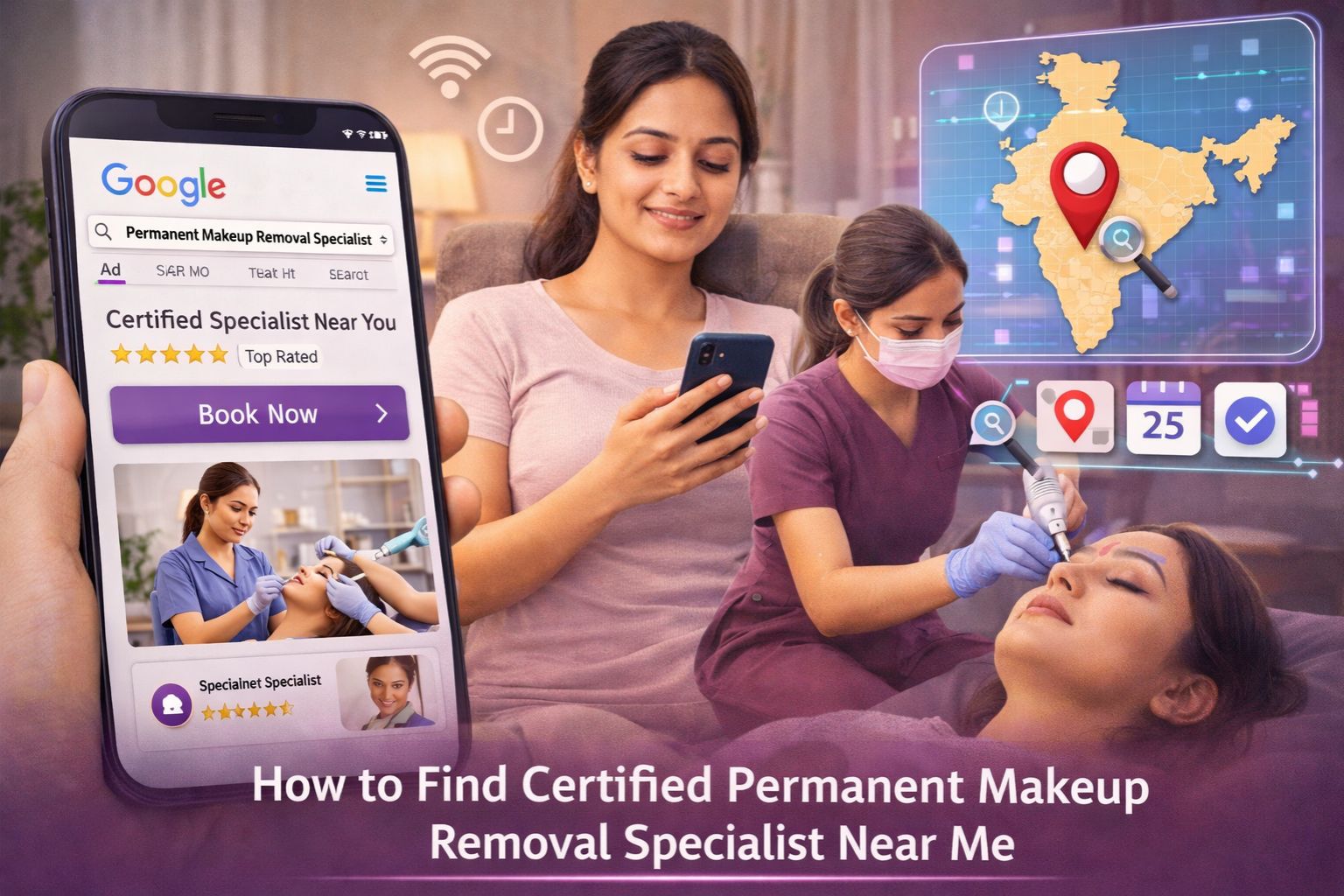


Searching for a removal specialist... it usually means you're already in a tough spot, right? The result wasn't what you wanted, and now there's this pressure to fix it fast. It feels so personal. I've heard from clinics that people rush in after a bad microblading job, desperate. But then weeks later, the fading is patchy or the skin texture just looks... off. That's the part you don't think about when you're panicking.
What "Certified" Really Means for Removal
Okay, so "certified". It sounds official, but here's the thing—it's not like a medical degree where the rules are the same everywhere. That's a big misunderstanding. The certification that actually matters is for the specific laser they're using, like PicoSure or something. Not just any beauty therapy certificate. The real problem starts when the technician doesn't know how to check your skin type or how deep the pigment is. That's when you can get burns or those weird white spots.
The Reality of Removal on Indian Skin Tones
With our Indian skin, there's more melanin. So if the laser setting is wrong, you could end up with darker patches or permanent light spots. Honestly, they don't always tell you this clearly in the consultation. Another thing—the colour of your old ink matters a lot. Grey or blue tones from some inks react totally differently to the laser than black or brown. You need someone who gets that nuance. It's easy to think all lasers are the same, but they're really not. Your skin depends on it.
Common Mistakes in Choosing a Removal Clinic
The biggest mistake? Just picking someone because they're close or cheap. Without even looking at their before-and-after photos, especially of people with skin like yours. Another blind spot—not asking about a test patch. A good specialist will always do a tiny test spot first and make you wait 4-6 weeks to see how your skin reacts. But when you're in a rush, maybe before a wedding or something, you skip it. And that's how you end up with a bigger problem.
How to Make Your Final Decision
Your decision... it shouldn't just be from a phone call. Go for a consultation. Actually see the place. Is it clean? Look at the laser machine. Ask to see their certificates—the real ones from the laser company's training. Ask them point-blank: "What's your experience with skin type IV or V?" Maybe even ask if you can talk to someone they've treated before. For a wider view, it helps to read what others are saying. Looking at community feedback on places like parlourtime can give you that real-context from people who've been through it.
FAQ
q How do I verify a specialist's certification is real?
a You have to ask to see the certificates from the laser company's own training program. Not just a beauty academy diploma. You can sometimes check these on the manufacturer's website too.
q What are the risks of choosing an uncertified person for removal?
a The main risks are scary. Scarring. Your skin colour changing for good—darker patches or lighter ones. Blisters. In bad cases, the skin can even get indented, especially on delicate spots like your eyebrows.
q Can permanent makeup be fully removed in one session?
a Almost never. It's a process. Usually needs 4 to 8 sessions, with weeks in between. If someone promises it all gone in one or two goes? That's a huge red flag. It probably means they're going to use settings that are too strong.
q How do I know if I should remove it or wait for it to fade?
a It depends on the ink colour, how deep it is, and how your skin is handling it. A proper specialist should assess that. Sometimes, if the work is very new, they tell you to just wait 4-6 weeks first to see some natural fading. For more thoughts on this kind of decision, the shared experiences on parlourtime can be a helpful place to look.