Well, it can. The treatment itself isn't meant to cause hair loss—it's supposed to smooth the hair shaft. But the whole process can be really harsh on your hair and scalp, and that's usually where things go sideways.
Here's what I picked up from talking to stylists and looking into it myself.
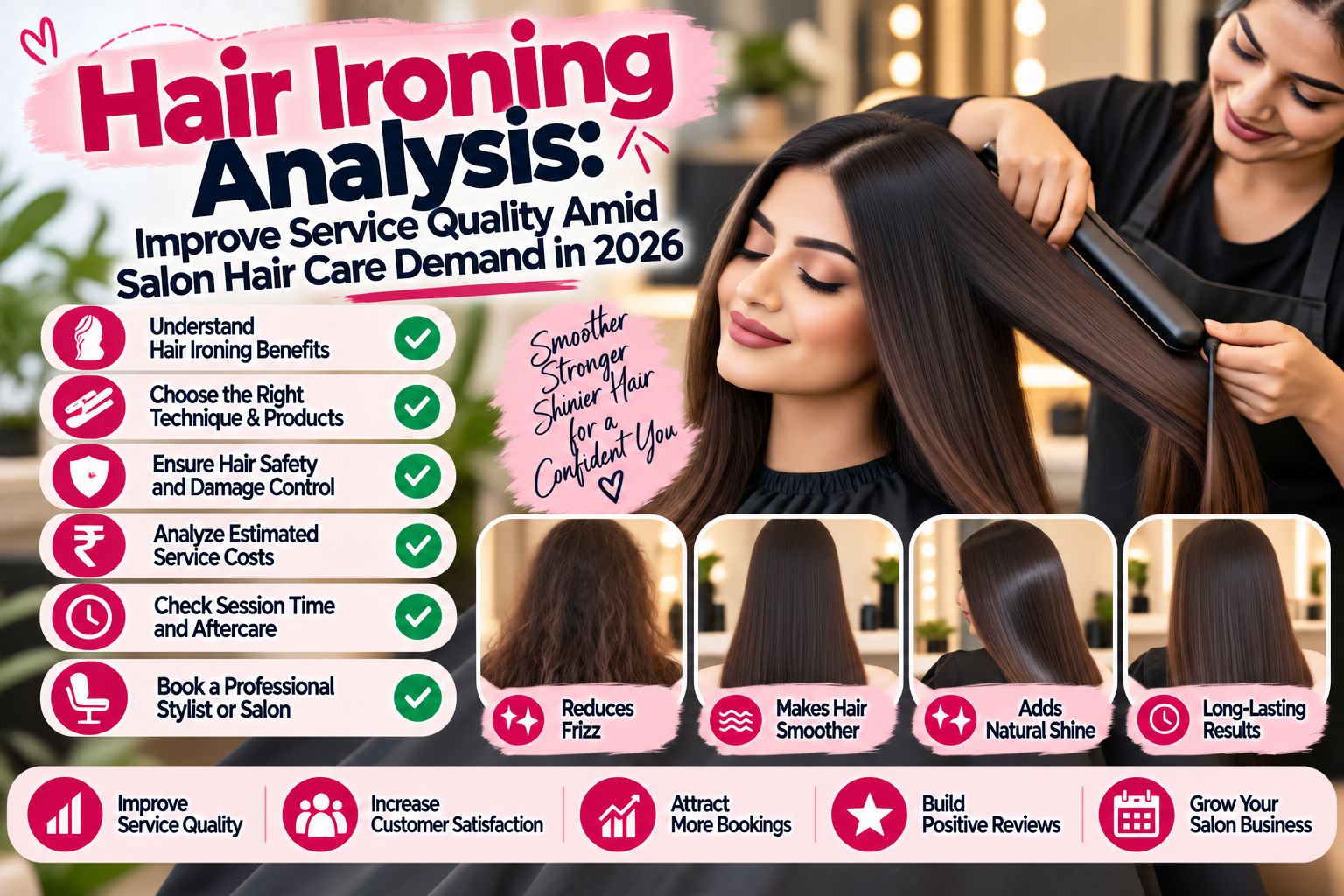
Most of the time, the real issue is the high heat during the flat-ironing step. To lock the keratin in, stylists use a flat iron at seriously high temps, sometimes above 450°F. If your hair is already fine, damaged, or chemically treated, that kind of heat can basically fry it, leaving it brittle and prone to snapping off. It doesn't always fall out from the root—it breaks somewhere along the strand, which can look just like hair loss.
Then there's the formula. Some cheaper or "express" treatments have harsh chemicals like formaldehyde or things that release formaldehyde (sometimes listed as methylene glycol, formalin, or aldehyde). Formaldehyde is a known irritant. If it gets on your scalp, it can cause inflammation, itching, and sometimes trigger something called telogen effluvium. That's when stress shocks the follicle into the shedding phase too early. So you might notice a lot of hair coming out from the root about 6–12 weeks later.
How it's applied matters too. If the product gets rubbed hard into the scalp instead of being carefully smoothed onto the hair shaft, those chemicals are more likely to irritate and damage the follicles.
And don't forget the aftercare. You're told not to wash your hair for 2–4 days and to use sulfate-free shampoo. If you use regular shampoo too soon, it can react badly with leftover treatment residue and damage your hair. Also, if you pull your hair up tightly during those first few greasy days, that constant tension can lead to breakage or even traction alopecia over time.
So what can you do if this is happening to you—or you want to prevent it?
First, choose your salon and stylist carefully. Ask what brand they use and request the safety data sheet to check for formaldehyde. A good stylist won't mind being transparent. Go for a "formaldehyde-free" treatment from a brand you trust, keeping in mind some may still use gentler aldehydes.
Second, be totally honest about your hair's history. Tell your stylist about every color, bleach, perm, or treatment you've ever had. If your hair's already pretty damaged, a keratin treatment might just be too much for it.
Third, stick to the aftercare. Use the recommended sulfate-free and sodium-chloride-free shampoo and conditioner. Get a good heat protectant if you use hot tools, and try to give your hair a break from heat when you can.
If you're already dealing with a lot of hair fall after a treatment, see a dermatologist or trichologist. They can tell if it's breakage or shedding from the root and suggest a plan. In the meantime, be extra gentle. Use a wide-tooth comb, skip tight hairstyles, and maybe try a bond-building treatment or protein mask to help strengthen your hair.
Getting a keratin treatment can feel like a bit of a gamble. When it works, it's amazing. But when it doesn't, the fallout—literally—can be really upsetting. Doing a little homework first is your best shot at tipping the odds in your favor.