

It's a really common worry—you're newly pregnant and suddenly every part of your routine feels like a potential risk. Whether to get a hair spa in those first few months is a classic source of that anxiety.
What a "Safe" Hair Spa Actually Means for Pregnancy
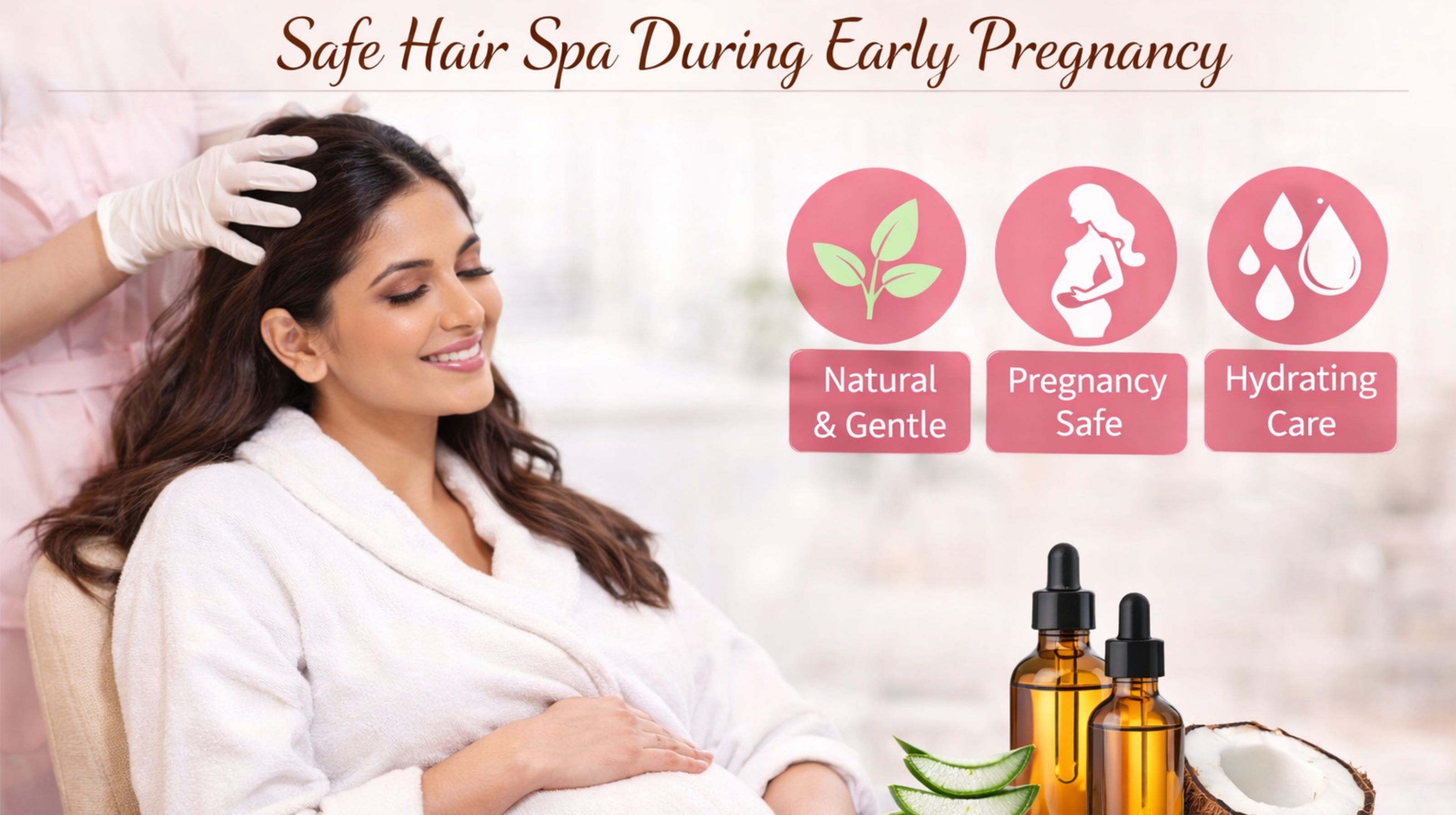
Here, "safe" isn't about zero risk, because nothing is. It's about minimizing how much of anything sketchy gets through your scalp and into your system. The first trimester is when all the major baby-building happens, so the goal shifts. You're not looking for a deep chemical fix anymore; you want something gentle and nourishing that mostly sits on the surface. I've noticed more salons catching on to this, offering pared-down "pregnancy-safe" options that are heavy on steam and natural oils and light on the strong active ingredients.
The Reality of Salon Chemicals and Scalp Absorption
Your scalp is a good barrier, but it's not a sealed vault. Add heat from a steamer, and it becomes even less so. The honest truth is we don't have big studies proving a single treatment causes harm—they just haven't been done. The concern is more about the precautionary principle: why take an unknown risk if you don't have to? One thing people don't always think about is that the steam phase itself matters. Longer, hotter steam increases blood flow to the area, which in theory could mean more absorption. That's why the advice often leans toward shorter, cooler sessions.
Common Mistakes and Misguided Assumptions
A big one is trusting the "natural" or "organic" label as a free pass. Some essential oils, like rosemary or sage in high amounts, aren't recommended during pregnancy. The real danger, though, is scope creep. You go in for a simple conditioning treatment and get talked into adding a chemical straightening or smoothing service. Those often use formaldehyde-releasing agents and are a hard no. Another easy misstep? Not telling your stylist you're pregnant. They'll just use their standard product mix, which might include things you'd rather avoid.
How to Decide on Your Hair Care Approach
Your first stop should be your OB-GYN, full stop, especially if your pregnancy is considered high-risk. If you do go to a salon, be that person: insist on a patch test first and pick a spot with good airflow. Honestly, a DIY approach at home is often the easiest way to control everything. A simple scalp massage with coconut or almond oil can work wonders. Just be sure to read labels and skip anything with retinoids, salicylic acid, or phthalates. It comes down to blending your doctor's advice with some informed consumer choices, looking past the marketing to the actual ingredient list.
FAQ
What specific hair spa ingredients should I avoid in early pregnancy?
Steer clear of the heavy hitters: chemical relaxers, formaldehyde-based keratin treatments, high-dose salicylic acid, retinoids (retinyl palmitate is one), and some essential oils like sage and rosemary. Safer bets are mild, fragrance-free conditioners and basic natural oils.
Can the heat from the steam cap harm the baby?
Prolonged, intense heat that spikes your core body temperature (that's hyperthermia) is a known risk, particularly early on. A brief, warm—not hot—steam for a conditioning treatment is usually seen as low risk. But it's smart to keep it on the cooler side.
Is it safer to do a hair spa at home while pregnant?
Generally, yes. Doing a mask yourself gives you total control. You can mix up something with yogurt, aloe vera, or safe oils like coconut or olive. It cuts out the mystery salon chemicals and lets you manage the heat.
When should I completely postpone hair spa treatments?
Hold off if you're dealing with bad morning sickness or smell sensitivities, if your doctor has flagged yours as a high-risk pregnancy, or if the salon can't promise to use simple, chemical-free products. This is a good boundary to have. When you're unsure, waiting is the safest bet—a rule that applies to plenty of project timelines too, where outside factors add risk.