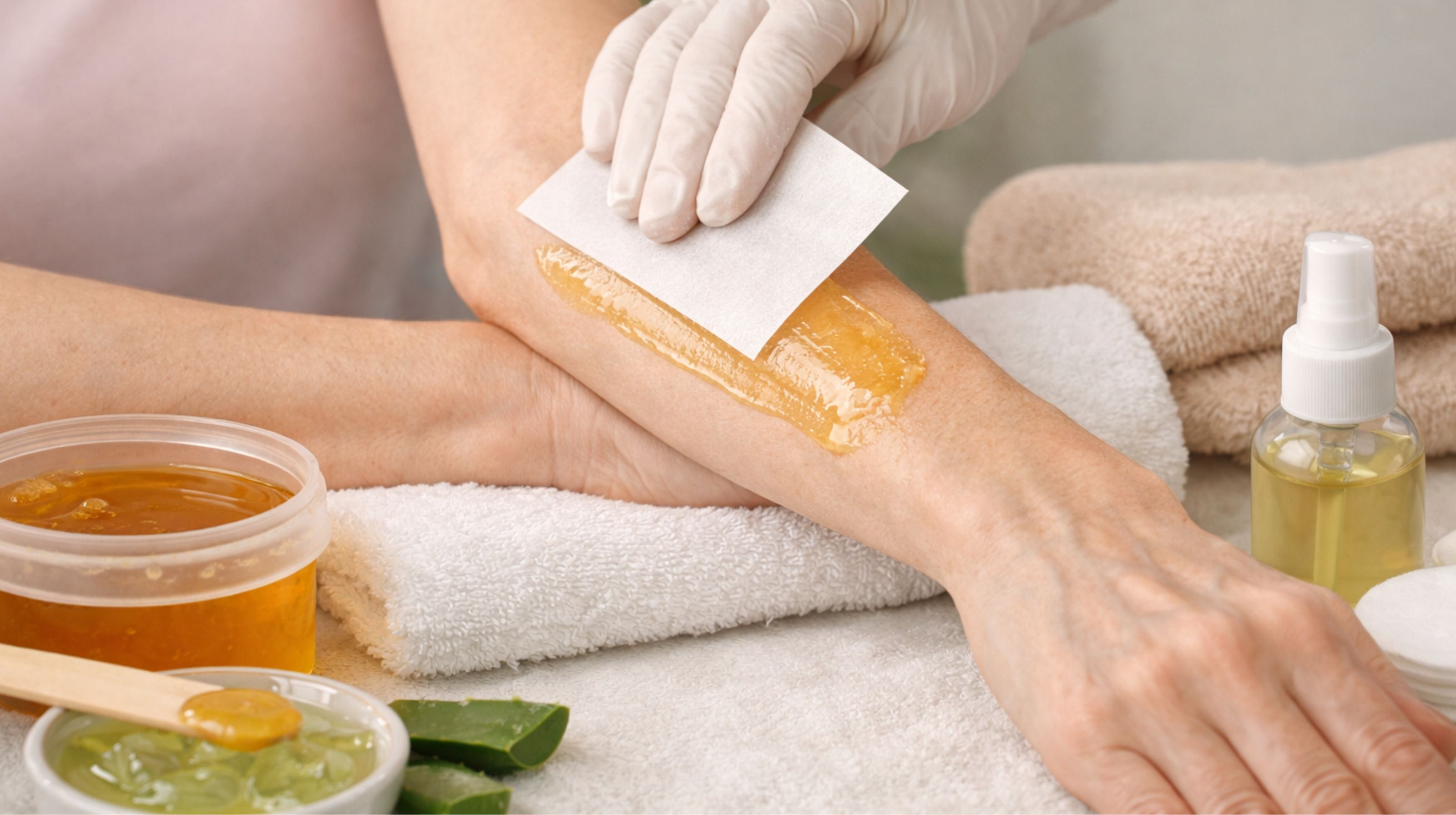


If you have delicate, thin skin on your arms, you've probably wondered if waxing is a safe option or a guaranteed way to end up with irritation and damage. It's a valid worry.
What "Safe Waxing" Really Means for Thin Skin
For thin, sensitive arm skin, "safe" doesn't mean pain-free or zero reaction—it means minimizing trauma to the point where your skin can actually recover without lasting marks. The real goal is to remove hair without taking layers of your fragile epidermis with it, which is much easier said than done. Honestly, it comes down to the wax formula, the technique, and how your skin is doing that exact day.
The Reality of Waxing Delicate Arm Skin
What usually happens is a trade-off: you get smooth skin for a few weeks, but you almost always get immediate redness, raised follicles, and sometimes that minor pinpoint bleeding called "peppering." I've seen so many clients with fair, thin skin who just assume this intense reaction is normal. But it's not, really. It's often a sign the wax was too hot, left on too long, or just pulled wrong. The skin on the inner arms and wrists is especially vulnerable, and it often reacts worse than you'd think.
The Biggest Risk Isn't Just Pain
A common misunderstanding is that the worst outcome is temporary redness. The real risk for thin skin is long-term damage: broken capillaries (those tiny spider veins), post-inflammatory hyperpigmentation (dark spots that can linger for months), and even scarring from lifted skin. One detail people usually ignore is the "snap" of the wax. If the technician doesn't hold your skin taut properly, that upward jerk can cause a bruising effect or micro-tears. That can compromise your skin barrier for weeks.
When to Consider It and When to Skip It
Waxing might make sense if your hair is fine-to-medium, your skin isn't currently irritated or sunburned, and you can actually commit to a strict pre- and post-care routine with calming ingredients. It probably doesn't make sense if you use retinoids, have a history of easy bruising or visible capillaries, or are prone to eczema flares on your arms. The real limitation is that even with perfect technique, some degree of inflammation is pretty much inevitable for very sensitive skin types.
FAQ
What's the best type of wax for ultra-sensitive arm skin?
Hard wax is generally the better choice because it sticks to the hair, not the skin, so there's less pulling force on that delicate surface.
How can I prepare my skin to minimize a bad reaction?
Gently exfoliate about 24 hours before, try to avoid caffeine that day, and make sure your skin is clean, dry, and completely free of lotions or oils.
What should I do immediately after waxing to calm my skin?
Apply a cold compress first, then use a fragrance-free product with something like aloe vera or centella asiatica. Definitely avoid anything with alcohol or acids right after.
How long does the redness typically last on thin skin?
While the visible redness often fades within a few hours, the underlying inflammation and sensitivity can stick around for 24-48 hours, easily.