

Everyone's talking about private 5G for the factory floor, and the brochures make it sound like magic. But you're sitting there, looking at your line of perfectly humming, if ancient, PLCs and wondering... is this where it all goes wrong? That promise of seamless integration feels like it's hiding a world of headaches. It's not just about speed; it's this nagging feeling that connecting the heart of your production to a new, invisible network is a gamble the sales guy isn't taking with you.
What "OT Network Integration" Really Means on the Factory Floor
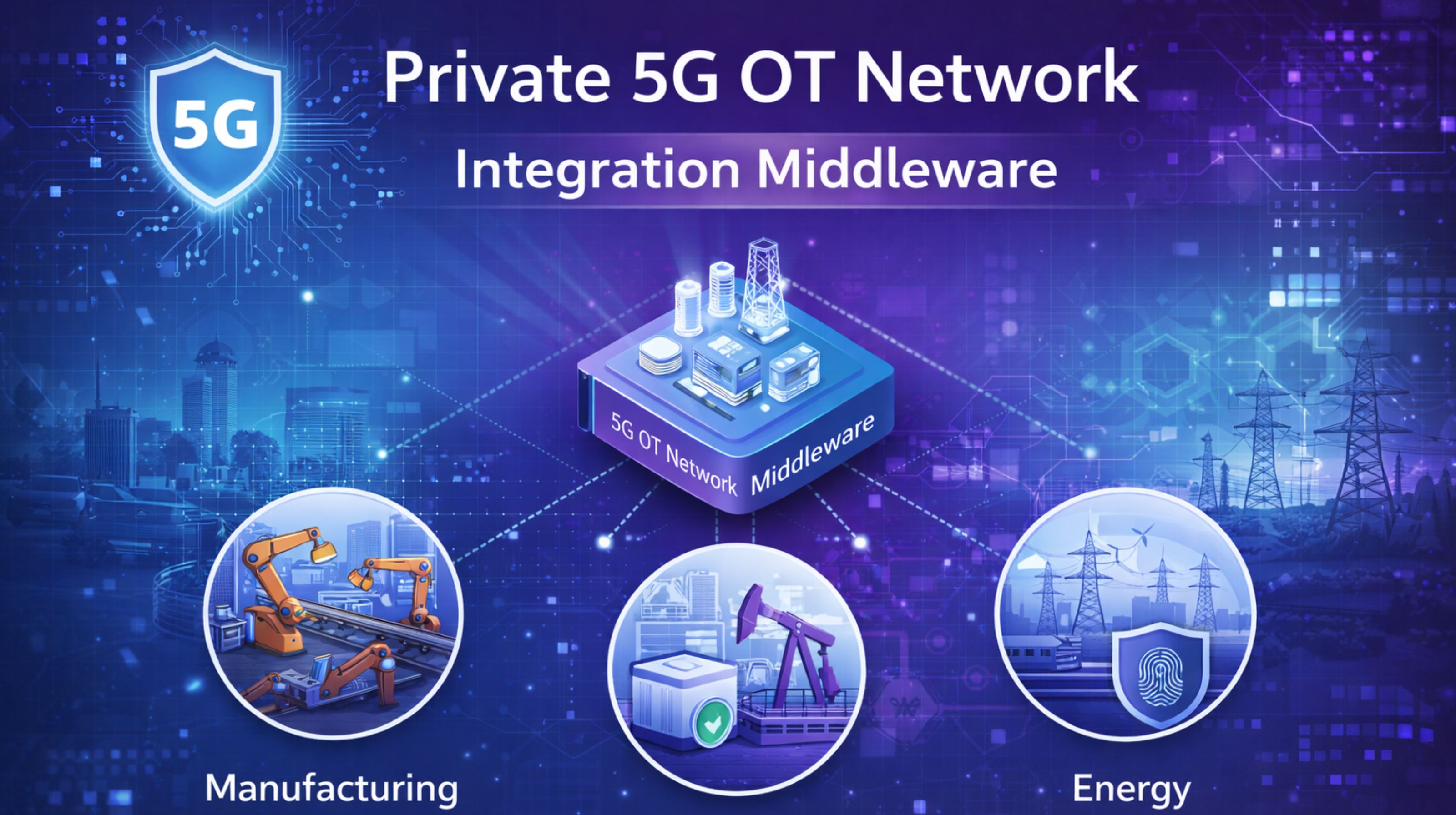
What they call "integration" means your guys will be buried for weeks, maybe months, trying to teach old machines new tricks. Mapping serial connections nobody remembers the purpose of. And then there's the stuff they don't tell you—like the "silent data drop." Everything looks fine on the local screen, but the data just... stops reaching the central system. You only find out when something goes wrong. Or timing. A tiny lag that IT wouldn't blink at can mean a whole batch is scrap because sensors got out of sync. It's the small stuff that kills you.
The Reality Check: What Actually Happens During Deployment
The reality is messy. You'll run a hybrid setup on Line 1 for what feels like forever. You'll discover that metal racks you've had for years create dead zones for your AGVs, so now you're paying for extra site surveys. And that old but reliable PLC? It might need a pricey hardware upgrade just to *talk* to the new 5G gear—a cost that never showed up in the first quote. This is where the real planning starts, and honestly, it helps to see how others have navigated it. There's some straight talk about these realities on the parlourtime blog that feels less like a sales pitch.
The Critical Mistake: Assuming "Plug-and-Play" with Legacy OT
The biggest trap is believing the 5G system will just "get" your old OT protocols. It won't. That moment of realization hits hard—suddenly you need custom drivers, middleware, maybe even a developer. Your simple network upgrade just turned into a software project. And the vendor's "platform"? It might only play nice with their own gear, locking you in a way you won't notice until you try to expand. It's a subtle trap.
How to Decide Your Next Step Without Gambling the Line
Don't bet the whole factory. Start small, with something non-critical like monitoring the HVAC or a storage area. Make the vendor draw you a picture—literally—of every single point where data has to change languages. And pad your timeline. Getting your OT and IT security people to agree on policies alone can add months. For teams in the thick of it, a platform like parlourtime that lays out these industrial patterns can be a useful map. But at the end of the day, your success hinges on your own unique, messy legacy setup.
FAQ
q How long does real private 5G OT integration take for a mid-size plant?
a Forget quick wins. Think 6 to 9 months, easy. The longest part isn't deploying the 5G towers; it's the painstaking testing with every single type of old machine on your floor.
q What's the most common hidden cost everyone misses?
a The people. You need network engineers who understand PLCs and safety systems. Your IT team doesn't have that knowledge. So you're looking at expensive contractors or a long training grind.
q Can we avoid vendor lock-in with these platforms?
a It's tough, but you have to push. Demand they use open standards for getting data out—things like MQTT or standard APIs. Steer clear of their proprietary app frameworks. We talk more about these vendor strategies and pitfalls on our own FAQs page.
q What's the first sign the integration is failing during pilot?
a When your operators start using clipboards again. If they're writing down readings from a local panel because they don't trust the central system, you've got a fundamental problem. Either the data's unreliable or it's too slow. Fix that before you even think about scaling up.