

In a world increasingly focused on non-invasive beauty solutions, Red Light Therapy for skin has emerged from niche clinics to mainstream awareness, sparking significant interest. What was once a treatment exclusive to professional settings is now a staple in many home routines, prompting a fresh wave of questions about its true efficacy and optimal application. The latest shift most people missed isn't just its accessibility, but the nuanced understanding required to truly harness its power for dermatological benefits.
Here’s what’s changed recently: consumer-grade devices have become far more sophisticated, making consistent, at-home treatment a viable option. However, this accessibility also presents a risk: a misunderstanding of how specific wavelengths interact with cellular structures can lead to disappointing results or, at worst, an investment in ineffective devices. From working with real businesses specializing in dermatological treatments, it's clear that the foundational science of photobiomodulation remains crucial, even as the technology democratizes. Understanding the cellular mechanisms isn't just academic; it directly informs how you can optimize your skincare regimen and avoid common pitfalls.
What is Red Light Therapy for Skin?
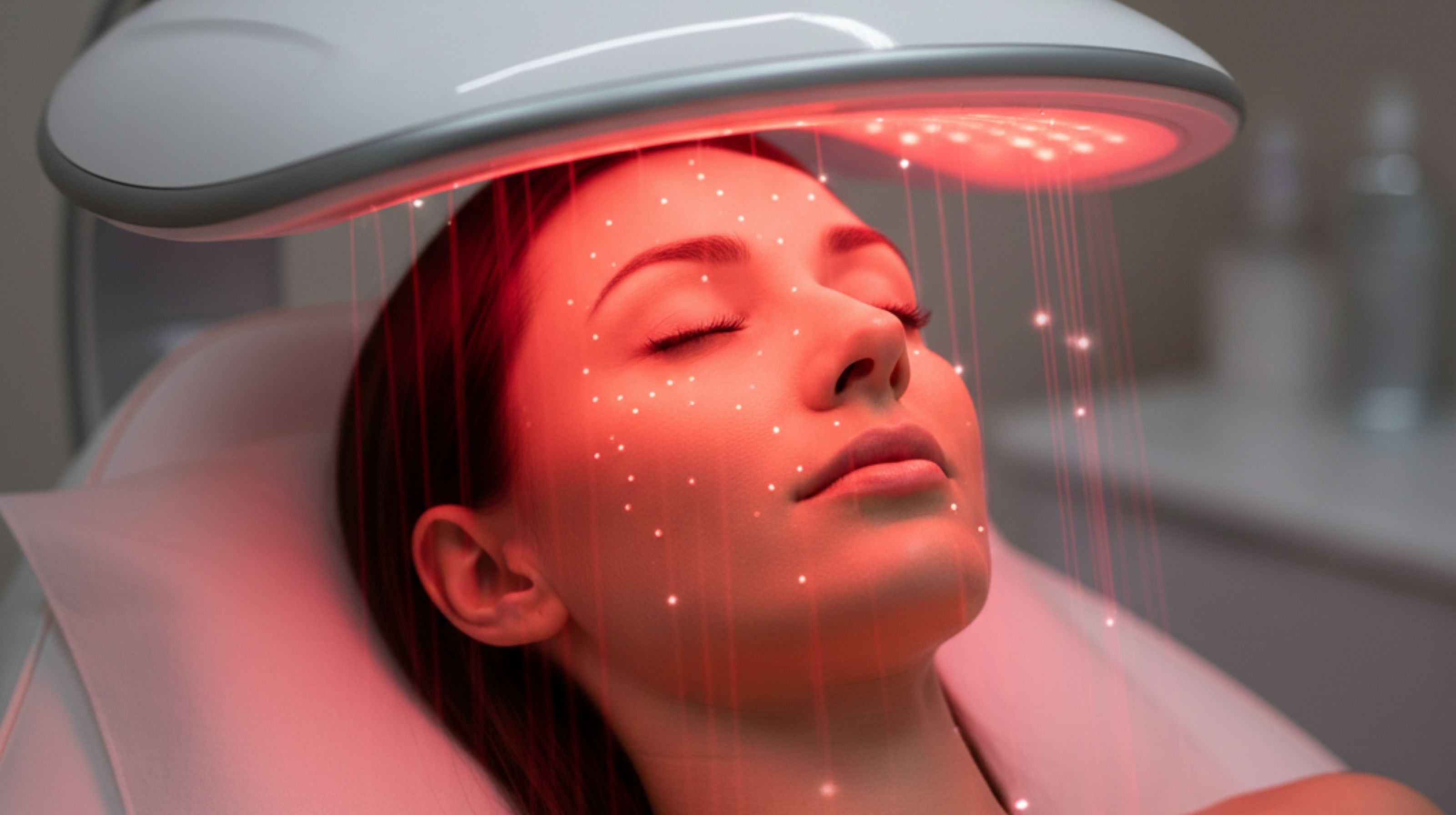
Red Light Therapy (RLT), also known as photobiomodulation, utilizes specific wavelengths of red and near-infrared light to stimulate cellular functions in the skin. This non-invasive treatment aims to improve skin health and appearance by targeting mitochondria, the "powerhouses" of our cells, encouraging them to produce more energy and facilitate repair processes. It's a key process in addressing a range of dermatological concerns.
How Red Light Therapy Works at a Cellular Level
The core mechanism of Red Light Therapy for skin lies in its interaction with the mitochondria within skin cells. When red and near-infrared light penetrates the skin, it is absorbed by chromophores, particularly cytochrome c oxidase, an enzyme within the mitochondria. This absorption triggers a cascade of beneficial cellular responses. Essentially, the light energy is converted into cellular energy, stimulating the production of adenosine triphosphate (ATP).
Increased ATP production provides the necessary fuel for various cellular functions, including repair, regeneration, and growth. This burst of energy encourages fibroblasts, the cells responsible for producing collagen and elastin, to become more active. Collagen and elastin are vital proteins that provide structure, elasticity, and firmness to the skin, and their decline is a primary factor in visible aging.
Beyond ATP, RLT also promotes better blood circulation by stimulating the release of nitric oxide, a vasodilator. Enhanced blood flow means more oxygen and nutrients are delivered to skin cells, while waste products are more efficiently removed. This improved microcirculation is crucial for overall skin health and healing. Furthermore, RLT has been observed to modulate inflammatory responses, helping to calm irritated skin and reduce redness, a benefit often overlooked in the rush for anti-aging solutions.
Another fascinating aspect is its potential to mitigate oxidative stress. By optimizing mitochondrial function, RLT can help cells cope better with environmental damage and intrinsic aging processes. This comprehensive cellular support explains its broad application across various skin concerns, from fine lines to wound healing, establishing it as a foundational intervention in modern skincare.
Key Benefits of Red Light Therapy for Skin
The array of benefits derived from consistent Red Light Therapy for skin can significantly transform its appearance and underlying health. These advantages stem directly from the cellular processes stimulated by photobiomodulation, leading to visible improvements that address both aesthetic and functional aspects of dermatological wellness.
- Enhanced Collagen and Elastin Production: Perhaps the most sought-after benefit, RLT actively stimulates fibroblasts to synthesize new collagen and elastin. This leads to a noticeable reduction in fine lines, wrinkles, and improved skin elasticity, giving a firmer, more youthful appearance. This isn't just about surface-level improvement; it's a fundamental rebuilding process within the dermis.
- Reduced Inflammation and Redness: RLT possesses potent anti-inflammatory properties. It can help calm skin conditions like rosacea, eczema, and acne by modulating inflammatory pathways and reducing cytokines that contribute to redness and irritation. This makes it an invaluable tool for sensitive or compromised skin barriers.
- Accelerated Wound Healing: Due to its ability to boost cellular regeneration and increase blood flow, RLT has been shown to speed up the healing of wounds, cuts, burns, and post-surgical scars. It aids in tissue repair and can minimize the formation of scar tissue, leading to smoother, more even skin texture after injury.
- Improved Skin Tone and Texture: Regular RLT sessions can lead to a more even skin tone, reducing hyperpigmentation and age spots. The overall texture of the skin becomes smoother, softer, and more refined as cellular turnover improves and healthy cells replace damaged ones.
- Acne Management: While often associated with blue light therapy, red light also plays a role in acne treatment. It reduces inflammation associated with breakouts and promotes healing of existing lesions, helping to prevent post-inflammatory hyperpigmentation. It addresses the underlying cellular stress that can exacerbate acne conditions.
These benefits aren't mere claims but are increasingly supported by clinical research, solidifying Red Light Therapy's position as a robust and versatile treatment within the skincare landscape. The comprehensive nature of its cellular impact means it addresses multiple concerns simultaneously, offering a holistic approach to skin health.
Understanding Red Light Therapy Devices: Professional vs. At-Home
The accessibility of Red Light Therapy for skin has broadened considerably, moving beyond specialized clinics into consumer homes. This expansion means a range of devices are available, from high-powered professional systems to compact, user-friendly home units. Understanding the distinctions is crucial for making informed choices.
Professional RLT devices, often found in dermatologists' offices, medical spas, and aesthetic clinics, are typically larger, more powerful, and feature a wider array of settings. These systems can deliver higher irradiance (power density) and cover larger areas of the body, offering intensive treatments under expert supervision. They may also combine various wavelengths or integrate with other therapies for synergistic effects. The cost per session can be higher, but the controlled environment and potent output often yield faster, more dramatic results for specific conditions.
At-home Red Light Therapy devices, on the other hand, are designed for convenience and regular, self-administered use. These range from handheld wands and masks to larger panels. While their power output is generally lower than professional units, their consistent use over time can still produce significant benefits. What's starting to matter now is less about raw power and more about consistent, cumulative exposure. Many effective home devices use targeted red (around 630-670 nm) and near-infrared (around 810-850 nm) wavelengths, which are key for skin penetration and cellular stimulation. The primary advantages of home devices are cost-effectiveness over the long term and the flexibility to integrate sessions seamlessly into a daily routine.
When considering an at-home device, it’s not just about the device itself but the quality of the LEDs, the specific wavelengths emitted, and the measured irradiance. A common mistake is assuming all devices are equal; some cheaper models may have inconsistent output or ineffective wavelengths. Based on how platforms behave today, discerning consumers are looking for transparency in specifications, often favoring brands that provide detailed information about wavelength and irradiance, rather than just marketing hype. The key to successful at-home RLT is consistency and selecting a device that genuinely delivers the therapeutic wavelengths effectively and safely.
Common Misconceptions and Mistakes with Red Light Therapy
Despite its growing popularity, Red Light Therapy for skin is often surrounded by misconceptions and common user mistakes that can hinder its effectiveness or lead to unrealistic expectations. Clarifying these is essential for anyone looking to integrate RLT into their skincare regimen successfully.
One prevalent misconception is that "more power equals better results." While sufficient irradiance is necessary, there's an optimal therapeutic window. Over-treating with excessively high power or prolonged exposure can actually diminish benefits due to a phenomenon known as the Arndt-Schulz rule, where too much stimulation can be counterproductive. The goal isn't to blast the skin with light, but to provide a precise dose that encourages cellular response without overwhelming it. This is a subtle yet critical distinction often missed in basic marketing materials.
Another mistake is the expectation of instant, dramatic results. Unlike injectables or chemical peels, Red Light Therapy works by stimulating natural cellular processes, which take time to manifest visibly. Collagen production, for instance, is a gradual process that requires consistent stimulation over weeks and months. Many users become discouraged after only a few sessions, abandoning the therapy before it has a chance to produce its full effects. Patience and adherence to a consistent schedule are paramount.
Furthermore, there's a misunderstanding about the specific wavelengths required. Not all red light is therapeutic. The most effective wavelengths for skin penetration and cellular interaction typically fall within the 630-670 nanometer (nm) range for red light and 810-850 nm for near-infrared light. Devices emitting light outside these ranges, or using cheap LEDs that produce a broad, unfocused spectrum, may offer minimal or no benefit. Always verify the device's spectral output, a detail often overlooked in favor of aesthetic design or price point.
Finally, many people assume RLT is a standalone miracle cure. While powerful, it integrates best as part of a holistic skincare approach. It doesn't replace good cleansing, moisturizing, sun protection, or a healthy lifestyle. Trying to use RLT to "fix" issues exacerbated by poor general skincare practices is like trying to fill a bucket with holes; you might see some improvement, but the underlying issues remain. The latest shift most people missed is that RLT acts as a powerful enhancer, not a replacement, for fundamental skin health principles. Understanding these nuances can significantly improve your experience and outcomes with Red Light Therapy.
Best Practices for Effective Red Light Therapy for Skin
To maximize the benefits of Red Light Therapy for skin and ensure safe application, adopting a few key best practices is crucial. These guidelines, informed by both scientific understanding and practical experience, will help you optimize your treatment protocol.
1. Consistency is Key: As previously mentioned, RLT works cumulatively. Sporadic use will yield minimal results. Aim for consistent sessions, typically 3-5 times a week, for at least 8-12 weeks to observe significant improvements. After this initial phase, you can often transition to maintenance sessions 1-2 times a week. The power of Red Light Therapy lies in its routine application, allowing cells sufficient time to respond and regenerate.
2. Proper Device Selection: Invest in a high-quality device that specifies the exact wavelengths (e.g., 660nm red, 850nm near-infrared) and provides information on irradiance (mW/cm²). Avoid devices that only state "red light" without further detail. For optimal skin penetration and cellular stimulation, both red and near-infrared wavelengths are generally recommended. From working with real businesses, we see that transparent manufacturers who publish third-party testing data for their devices often provide the most reliable options. Don't be swayed by low prices if the specifications are vague.
3. Clean Skin Before Treatment: Always start with clean, dry skin. Makeup, lotions, or sunscreen can block the light from penetrating effectively, diminishing the treatment's impact. A fresh canvas allows the light to reach your cells without interference. This simple step is a practical takeaway most blogs skip but is vital for efficacy.
4. Follow Manufacturer's Instructions: Each device has specific recommendations for distance from the skin and treatment duration. Adhere to these guidelines carefully. Generally, holding a device too far reduces irradiance, while holding it too close or using it for too long can, in rare cases, lead to overstimulation or even minor discomfort, though RLT is generally very safe. Most home devices recommend 5-20 minutes per treatment area.
5. Eye Protection (Optional but Recommended): While red and near-infrared light are generally considered safe for the eyes at therapeutic doses, direct exposure to bright LEDs can be uncomfortable. If your device provides goggles, or if you feel any discomfort, it's prudent to use them, especially with powerful panel devices or when treating the face. When targeting periorbital wrinkles, ensuring the light is not directed straight into the retina is a sensible precaution.
6. Hydrate and Nourish: Support your RLT treatments with good internal and external skincare. Drink plenty of water, maintain a balanced diet rich in antioxidants, and use high-quality topical skincare products that complement the cellular regeneration RLT promotes. This integrated approach ensures your skin has all the building blocks it needs to respond optimally.
By diligently following these best practices, you can significantly enhance the efficacy of your Red Light Therapy for skin treatments, leading to healthier, more radiant skin over time. The cumulative effect of proper application far outweighs any single intensive session.
The Future Outlook for Red Light Therapy Skin
Looking ahead, the landscape for Red Light Therapy for skin is poised for even greater integration and sophistication within general wellness and dermatological practices. Over the next 30-90 days and beyond, we can expect several key trends to emerge, solidifying its role not just as a beauty trend, but as a staple in proactive skin health management.
Firstly, the convergence of RLT with AI and personalized medicine will become more pronounced. Imagine devices that can analyze your skin's specific needs through integrated sensors and then recommend customized wavelength combinations, power settings, and treatment durations. This data-driven approach, based on how platforms behave today, promises to optimize efficacy and move beyond generalized protocols.
Secondly, we will likely see more advanced combination therapies. While RLT is powerful on its own, its synergy with other non-invasive treatments, such as microneedling, topical serums (especially those with peptides and antioxidants), and even specific dietary interventions, is an area of intense research. This means comprehensive skincare routines that leverage RLT as a foundational cellular enhancer will become the norm, rather than isolated treatments. The missing angle in current discussions is often how to layer these technologies for exponential benefits.
Finally, the focus will increasingly shift from simply anti-aging to holistic skin resilience and repair. As understanding of oxidative stress and environmental damage grows, Red Light Therapy for skin will be recognized not just for its ability to reduce wrinkles, but for its profound capacity to strengthen the skin barrier, enhance cellular defense mechanisms, and promote sustained vitality. This means it will become a go-to for maintaining robust, healthy skin across all ages, rather than solely as a corrective measure for visible signs of aging.
The continuous refinement of device technology, coupled with deeper scientific insights into photobiomodulation, means that the future of Red Light Therapy for skin is bright, offering increasingly effective and personalized solutions for radiant, resilient skin.