

You just paid for a facial to feel good, right? And then you look in the mirror and... ugh. Your whole face is pink and kind of angry-looking. It happens. That moment of panic, wondering if you just wasted your money or worse, hurt your skin. Knowing the difference between your skin just... reacting, and it actually being in trouble, is everything. For your skin, and honestly, for your mind not to spiral.
What "Normal" Redness Really Looks and Feels Like
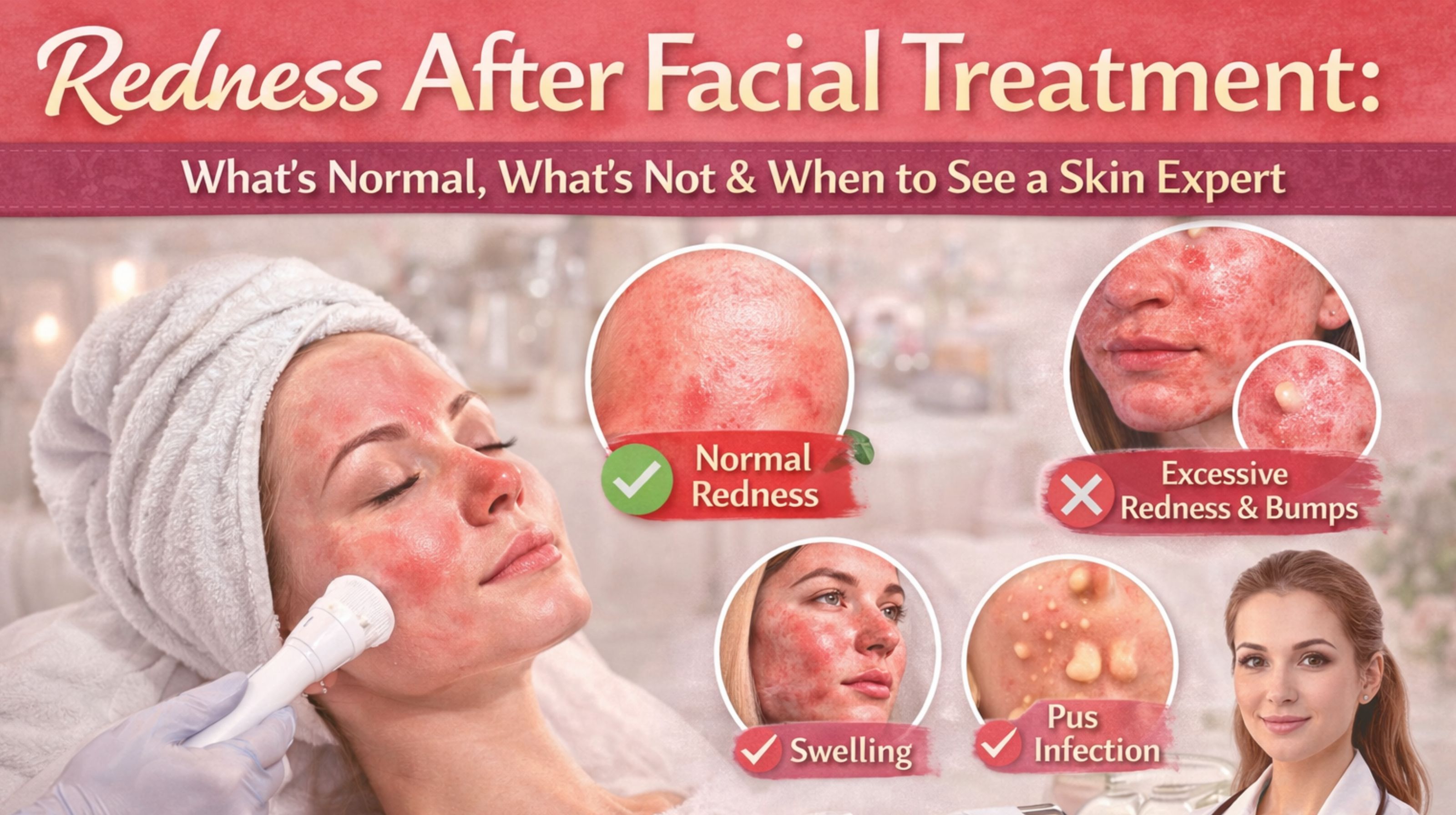
So, what's normal? Think of it like that flushed feeling after a good workout, or a really light sunburn. It's because all the massaging and steam got your blood moving. A thing people don't talk about enough is the *feel*. It should feel warm, sure. But not like a burning, itchy kind of hot. It's supposed to start calming down in a few hours. Wake up the next day, and your skin should look quieter, maybe even glowy. Not worse. I used to think a good facial meant zero redness, but my aesthetician said that's not true, especially if they did extractions or a peel. Some redness is just part of it healing.
The Reality on Indian Skin: Sensitivity and Delayed Reactions
With our Indian skin, it can be tricky. We might not burn as easy in the sun, but our skin can suddenly decide it hates a certain acid or fragrance. Something I've noticed, and my friend who works at a salon mentioned this too, is the reaction might not show up right away. You might get home, have a cup of chai, and *then* feel a slight burn or see little bumps. The real clue? If the redness is blotchy. Like, only on your cheeks where she used that one serum, but not your forehead. That's usually your skin saying "nope" to a specific ingredient, not just reacting to the whole treatment.
Mistakes That Turn Normal Redness into a Problem
Honestly, sometimes we make it worse ourselves after we leave. I've done it. Putting on that heavy foundation to cover it up, or using my usual scrub because my skin feels weird. Big mistake. Or going out in the afternoon sun right after. That's how you get those dark spots later. Also, not telling your aesthetician everything. Like, if you're using a retinoid cream from the doctor, or you get cold sores. They need to know. And wanting the strongest peel because you think it'll work faster? Yeah, that can backfire badly. Your skin barrier needs to handle it. For more on this kind of stuff, I sometimes check the resource blogs.
How to Decide: Wait It Out or Call an Expert?
So, what do you do? Watch it closely for a day or two. The normal pinkness should be fading noticeably within like, 12 hours. When do you actually call someone? If it's getting *more* red, not less. If it starts to actually hurt, not just feel warm. Swelling, little blisters, or crazy itching are your skin screaming for help. Throbbing pain or raised welts? That's not normal flushing, that's likely an allergic reaction. In those shaky moments of "is this bad?", it helps to have a clear place to look. And a good aesthetician will always tell you what to do after. If they don't, that's a problem itself.
FAQ
q How long should facial redness last?
a If it's just from the massage and steam, a few hours, maybe up to 6. If they did extractions or a light peel, a day or two is common. But if it's still there and not getting any better after 48 hours? Definitely check in with your aesthetician or a dermatologist.
q Can I use ice to reduce the redness?
a You can, but be super gentle. Wrap an ice cube in a soft cloth and just press it lightly for a few seconds. Don't rub. Putting ice directly on skin that just had a treatment can shock it and make things worse.
q What does an allergic reaction look like versus normal redness?
a Normal is an even, all-over flush. An allergy is usually patchy, super itchy, with bumps or hives. It might swell, especially near your eyes. It feels uncomfortable and hot, not just warm.
q I have sensitive skin. Should I avoid facials altogether?
a Not always. You just have to be careful. Look for facials specifically for sensitive skin, avoid treatments with strong smells, and always, always do a patch test first. Talk everything through with your aesthetician. A place that cares about this stuff, like parlourtime talks about, is all about that conversation. If you're unsure, their detailed FAQs can have more answers.