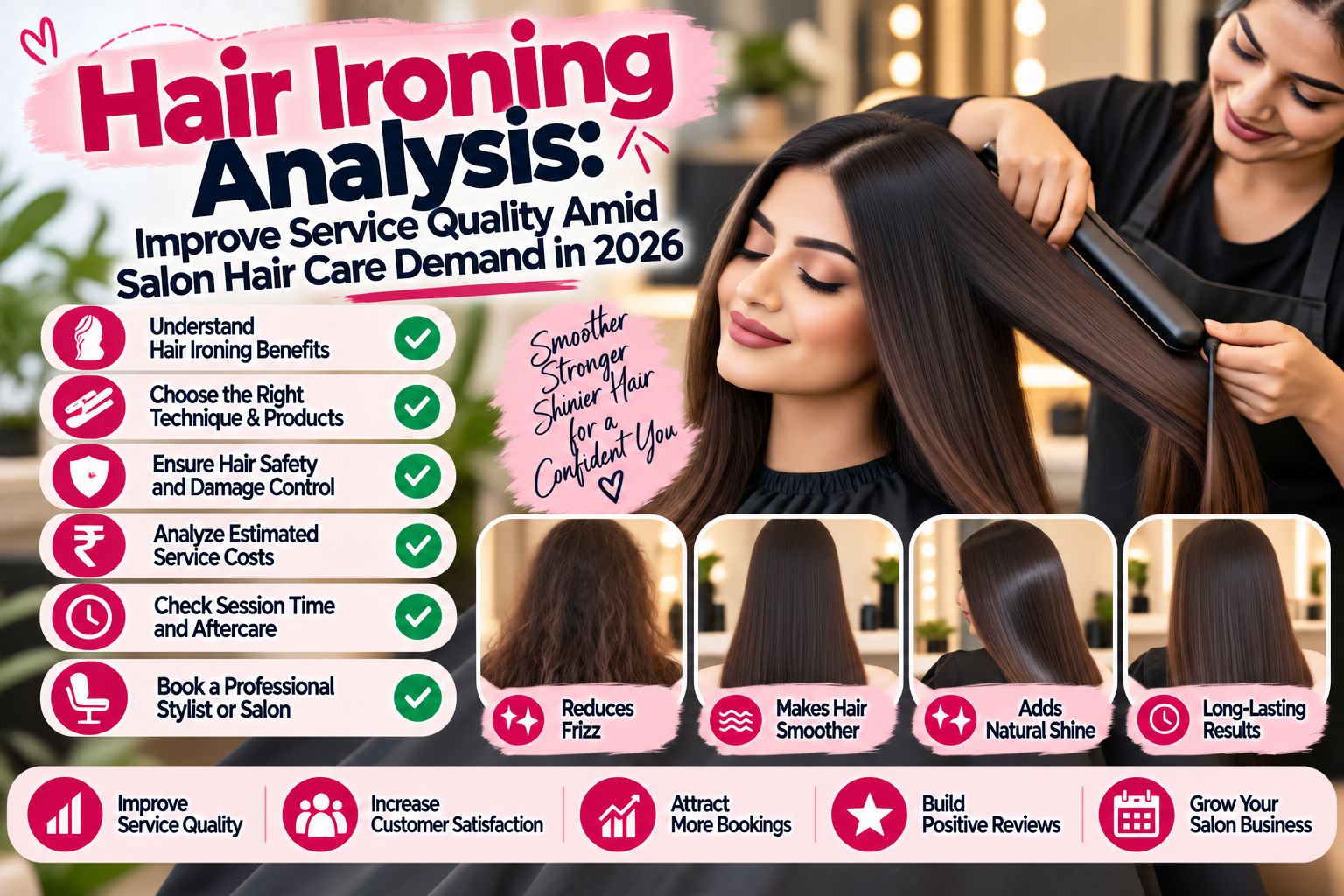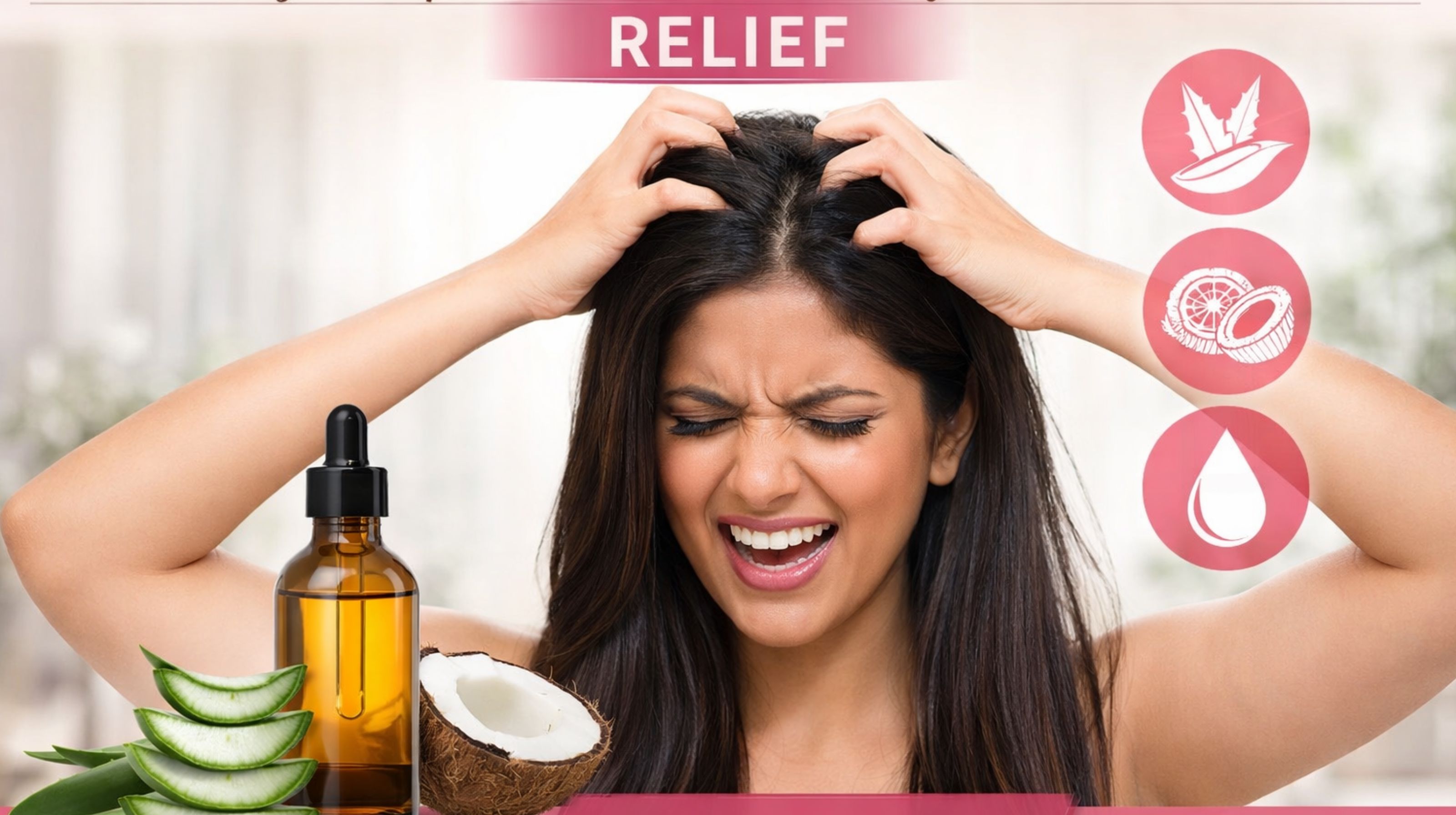


That maddening, persistent itch after a chemical smoothening treatment? It's not just a minor annoyance—it's a pretty clear signal your scalp is inflamed and compromised. For founders and salon owners, this is where client complaints start and retention can take a hit if it's not handled right.
What Causes the Itch After a Smoothening Treatment
At its core, the itch is chemical irritation. Ingredients like ammonium thioglycolate or formaldehyde derivatives get past the scalp's barrier. But here's something people often miss: the high heat from the flat iron used to "seal" the treatment can actually cause micro-burns on a scalp that's already sensitized. That just pours fuel on the inflammatory fire. For most, this is a direct result of the process itself, not an allergic reaction.
The Reality of Post-Treatment Scalp Inflammation
The first 72 hours are really critical. The treatment throws your scalp's pH way off, strips its protective acid mantle, and leaves it in a state where it loses moisture easily. A common mistake is thinking washing your hair sooner will help. It often does the opposite, especially if you use a shampoo with harsh sulfates that just worsens the itch. The line you don't want to cross is when you see severe burning, pustules, or significant hair loss—that points to a chemical burn, and you need a doctor, not just home care.
Common Mistakes That Make the Itch Worse
The biggest risk is getting the cause wrong. It's easy to assume it's just dry skin and slather on heavy oils or butters, but that can suffocate the scalp and trap heat. Another misstep is reaching for anti-dandruff shampoos with ingredients like pyrithione zinc. On a freshly treated scalp, those are far too harsh and drying. Making either of these errors can set back healing by weeks.
How to Soothe Your Scalp and Decide on Next Steps
For immediate relief, start with cool water rinses, a pH-balancing toner (like diluted apple cider vinegar), or some fragrance-free aloe vera gel. As for next steps, here's the rule of thumb: if intense itching lasts more than a week, you need to stop all chemical processes and see a dermatologist. Long-term, you'll want a disciplined routine with sulfate-free, ultra-mild cleansers and to avoid tight hairstyles. Managing this well really requires a blend of aesthetic care and dermatological science, which is a principle you see in professional scalp and hair wellness strategies.
FAQ
How long does the itching last after smoothening?
It usually peaks 2-3 days in and should calm down within a week if you care for it properly. If it's still going strong past that, it means the inflammation is still active.
Can I use coconut oil to stop the itch?
I'd avoid heavy oils like coconut oil at first. They can clog pores on an inflamed scalp. Try lightweight, soothing things like aloe vera or jojoba oil instead.
Is an itchy scalp a sign of hair damage?
Not directly. It's a sign of scalp damage and inflammation. But if the scalp stays compromised for a long time, it can weaken the hair follicles and lead to more shedding down the line.
When should I see a doctor for post-smoothening itch?
Get medical help if you have severe burning, blistering, pus, swelling, or if you're losing clumps of hair. Those are signs of a chemical burn, not just simple irritation.