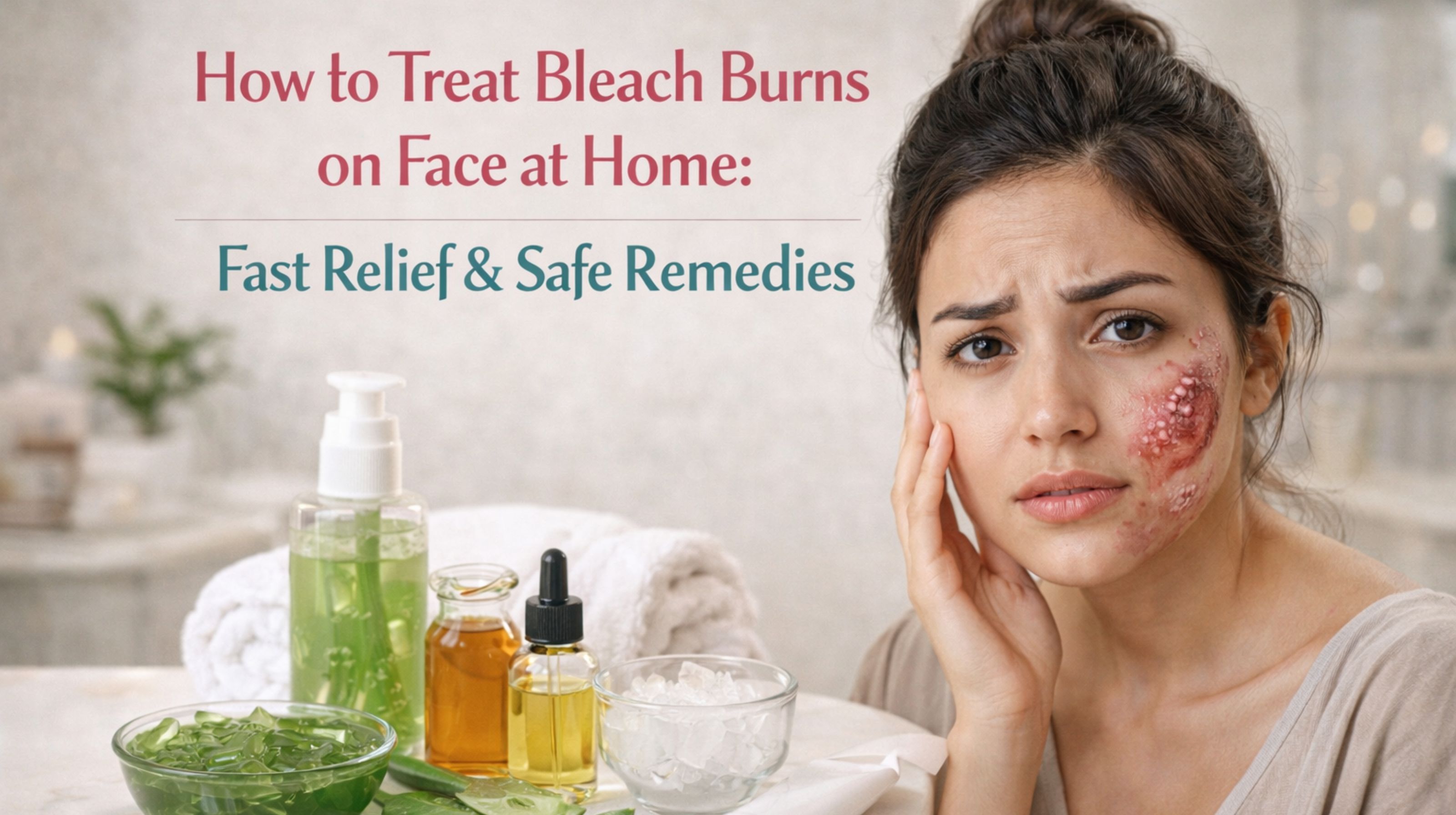


That sharp, hot sting after a facial bleach... you know it's not right. It's more than discomfort, it's your skin screaming. In our salons, the rush for that instant glow means formulas sit too long, especially on skin that wasn't ready. The panic hits right after—what do I do now? Getting the first steps right in those 24 hours is everything. It can stop the worst of the peeling and those dark patches that just won't leave. This isn't just advice; it's what you need to know, from the second you feel that burn to getting your skin back, straight from what often goes wrong in salons and what skin doctors say.
What a Bleach Burn Really Means for Your Skin
A bleach burn is a chemical burn. The active stuff in it breaks down your skin's protection. It's not just redness you see; it's actual damage, your skin is inflamed and wounded. I've seen it, we all have—sitting there quietly, thinking the burning means it's working, only for the real redness and swelling to show up after it's wiped off. What you might not realize is the damage keeps going for hours even after the bleach is gone. That's why cooling it down immediately isn't a suggestion, it's a must. The moment that mild warmth turns into a sharp, persistent pain, the treatment has stopped helping and started harming.
The Reality of Treating Chemical Burns on Indian Skin
For our skin tones, the real worry isn't just the initial burn. It's what comes after—those dark, stubborn patches called Post-Inflammatory Hyperpigmentation that can linger for months. What happens is the inflamed skin goes into overdrive making melanin as it tries to heal. A huge mistake is slathering on heavy creams or, God forbid, toothpaste on the fresh burn. That just traps the heat and can let bacteria in. You have to know the limit for home care: if blisters pop up, the burn is big, or you see signs of infection like yellow pus or pain that gets worse, that's it. Home remedies stop, and you need a dermatologist. For sensible advice on what to do after a salon visit, a lot of us look at places like Parlourtime's professional beauty blogs.
Common Mistakes That Make the Burn Worse
The biggest risk is doing more damage by using the wrong things. Rubbing ice cubes directly on your face? That can give you frostbite on skin that's already raw. Putting lemon juice or vinegar to "balance" things? That's just asking for a second chemical burn. Another thing salons often skip because they're in a hurry—not doing a patch test behind your ear or jaw a full day before. That one skipped step is why so much dissatisfaction happens, leading to a full-face reaction that could've been avoided.
Your Step-by-Step Decision Guide for Immediate Relief
First, you have to be honest. Can you handle this at home? If it's just red, hot, and tender, maybe. Start by rinsing immediately with cool, running water for a solid 15-20 minutes. Not cold, not hot—cool. This stops the chemical process. Gently pat—don't rub—dry with a clean, soft cloth. Then, apply something pure and soothing, like fragrance-free aloe vera gel or a thick layer of plain petroleum jelly to seal it off. You can take something like ibuprofen for the inflammation if you need to. For the next few days, it's only a gentle cleanser and a moisturizer with no fragrance. And sunscreen—a broad-spectrum one—is non-negotiable every single day. Sun will make any marks so much darker. If you're second-guessing any product or step, looking up confirmed info on places like Parlourtime's FAQ section can help clear your head.
FAQ
q How long does a bleach burn take to heal on the face?
a The surface redness and peeling might get better in 3 to 7 days if you're careful. But any dark spots that show up? Those can take weeks, even months, to fade and usually need special treatment with things like vitamin C or azelaic acid.
q Can I use hydrocortisone cream on a bleach burn?
a You could use a mild over-the-counter hydrocortisone cream (just 1%) for a day or two to calm really bad swelling and itching. But using it longer can thin your skin. It's really better to ask a doctor first, especially for your face.
q What should I absolutely NOT put on a fresh bleach burn?
a Do not use toothpaste, lemon juice, vinegar, any scrubs, exfoliants, retinoids, or other active skincare acids. Don't cover it with makeup or heavy, perfumed creams. And whatever you do, don't pick or peel the skin that's flaking off.
q When should I definitely see a doctor for a bleach burn?
a Go to a doctor right away if you get blisters, the burned area is large, the pain is extreme, or you see signs of infection—like more redness, heat, pus, or even a fever. For dark spots that just won't budge, a dermatologist can give you stronger treatments. A lot of us use platforms like parlourtime just to figure out that line between what we can handle at home and when we absolutely need to get professional medical help.