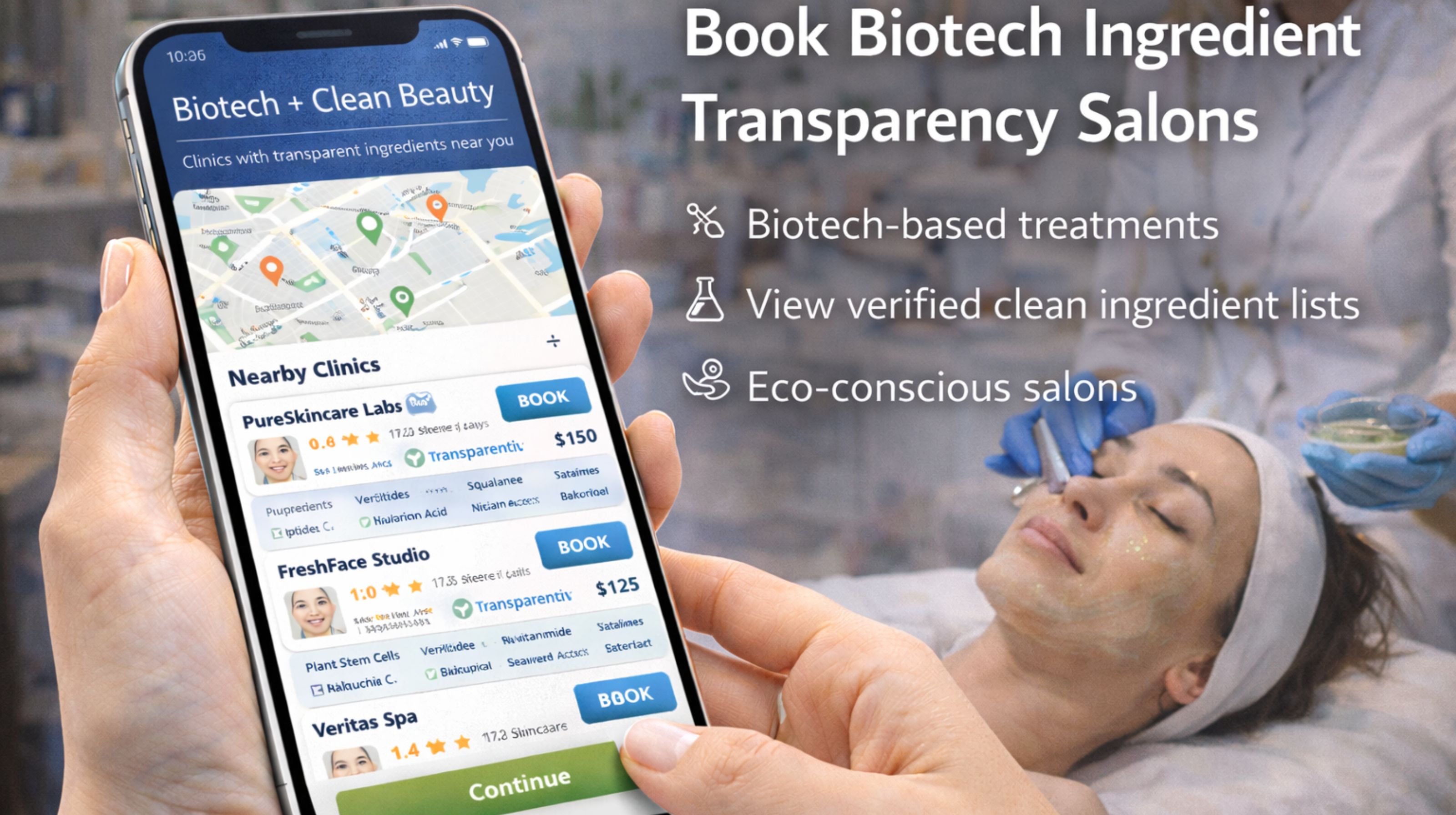


You see "biotech peptides" or "fermented extracts" on the salon menu and... well, you wonder. Is it just a fancy label they're charging more for, or is it actually something better for my skin? That's the real worry, isn't it? It's not just the price. It's this feeling that you can't trust the fancy words to mean something safe and that actually works on our skin. You don't want hidden reactions or to just throw your money away.
The Real Meaning of "Biotech" in Your Salon Chair
Okay, so in a salon, "biotech" usually means the active stuff is made in a lab using fermentation. They say it's purer, stronger. The esthetician might show you this fancy little bottle. But what nobody really talks about is the base—the gel or cream that carries that fancy ingredient. That's where the trouble often is. It can have alcohols or fragrances that irritate, especially when mixed with a strong active. I've heard of people leaving a "calming" facial feeling fine, only to get redness or tingling hours later. Makes you think, right? Probably that base formula just didn't agree with them.
What Actually Happens on Indian Skin and Hair
Our skin is different. We deal with pigmentation, sensitivity. So a biotech brightening serum might work... but if they use aggressive massage or heavy steaming with it, it can actually cause more darkening, not less. On hair, these biotech keratin treatments promise to repair. But on our hair, which is often high-porosity from all the coloring and straightening, sometimes the treatment just sits on top. It doesn't bond properly. Then it washes out in a week and your hair feels like straw. The thing is, if your skin's barrier is damaged or your hair's too porous, no high-tech ingredient can really fix that first. They skip that part sometimes.
The Wrong Assumption That Leads to Dissatisfaction
The biggest mistake? Thinking "science-backed" means it's automatically safe and will work miracles overnight. You see the fancy name and think it must be gentler, better. So you might skip the patch test, or forget to mention you just started a new retinol cream. And then what happens? You pay a lot for this "breakthrough" treatment and you get tiny breakouts. Or you see no change at all. Because the ingredient, even if it's advanced, just wasn't the right fit for *your* skin at that moment. You trusted the label more than your own skin's story.
How to Decide on Your Next Salon Visit
So before you book, don't just look at the menu. It has to be about the consultation. Ask them to explain it to you: what is this ingredient supposed to *do*? Is it for strengthening, for brightening, for building collagen? They should be able to tell you in simple words. Actually ask to see the product bottle. Check the expiry date, look for concentration info—people never do this, but you should. And manage your expectations. Real results from these things often build up over time, they're not instant. To figure out which salons are good at having this honest talk about ingredients, a lot of people check places like parlourtime before booking.
FAQ
q Are biotech salon treatments safe for sensitive Indian skin?
a They can be, maybe. But it's not about the "biotech" tag. It's about the whole formula and how they apply it. If you have sensitive skin, you absolutely must do a patch test behind your ear a day before. Even "clean" biotech stuff can cause a reaction.
q How long do results from a biotech facial actually last?
a Don't expect the instant plump you get from a basic hydrating facial. With biotech, results like firmness or clarity might take a couple of days to even show up. They usually last about a week to ten days. People get it wrong thinking they'll walk out glowing—the real work happens inside your skin after you leave.
q Can I get a biotech treatment right before a big event?
a Honestly, that's risky. Because of possible redness or a delayed reaction, it's a gamble. You should really try a new treatment like this at least two weeks before any big day. You just don't know how your skin will take it.
q How do I know if a salon is genuinely using quality biotech products?
a See if they use brands that actually tell you the concentration of ingredients, like what percent peptide is in there, and have real studies. A good, honest salon should have that info. If you want more tips on checking up on salons, you can look through the parlourtime faqs.