

You leave the salon feeling smooth, only to find small, angry bumps appearing on your chin a few hours later. It's so frustrating. This immediate post-threading reaction is incredibly common, especially on sensitive areas like the chin where hair is coarse and the skin is prone to inflammation. I just want to cover them up, but I know I should probably understand why my skin is reacting like this. It's a sign your skin's barrier has been disturbed, which makes sense when you think about it, but in the moment you just want the bumps gone.
What "Bumps After Chin Threading" Actually Means
In a real salon visit, these bumps are typically a combination of folliculitis (inflamed hair follicles) and general skin irritation. The threading cotton physically tugs the hair out, causing micro-tears. Your body sends blood and immune cells to the area, causing that redness and swelling. It's not necessarily an infection, but an inflammatory response. I've noticed bumps are worse where the aunty had to go over the same spot multiple times to catch stubborn hairs. And I never really thought about it, but using my retinol cream a couple days before probably made it all much worse.
The Reality of Bumps on Indian Skin
On our skin tones, the aftermath often looks like dark red or hyperpigmented bumps that just sit there for days. They're so visible. The inflammation can trigger more melanin, leading to those dark spots that take forever to fade. What actually happens is the immediate redness might go down in a few hours, but the bump and the potential dark mark can stick around. The whole point of threading is to look better, so it's really defeating when the irritation causes a dark mark that lasts weeks. Something else I didn't consider—sometimes the bumps come from the technician's hand pressure or the thread dragging, not just the hair being pulled.
Common Mistakes That Make Bumps Worse
The biggest mistake is probably what I do: immediately trying to cover it with heavy makeup or touching the area constantly to "check" the bumps. That just introduces bacteria. Another thing is reaching for an alcohol-based toner to try and dry them out—that only strips your skin more and increases the inflammation. I think I assume all bumps are the same, but some might actually be ingrown hairs starting, which need different care. The worst part is when no one at the salon warns you this is common, and you're left feeling like your skin is just uniquely bad.
How to Soothe and Conceal Bumps Now
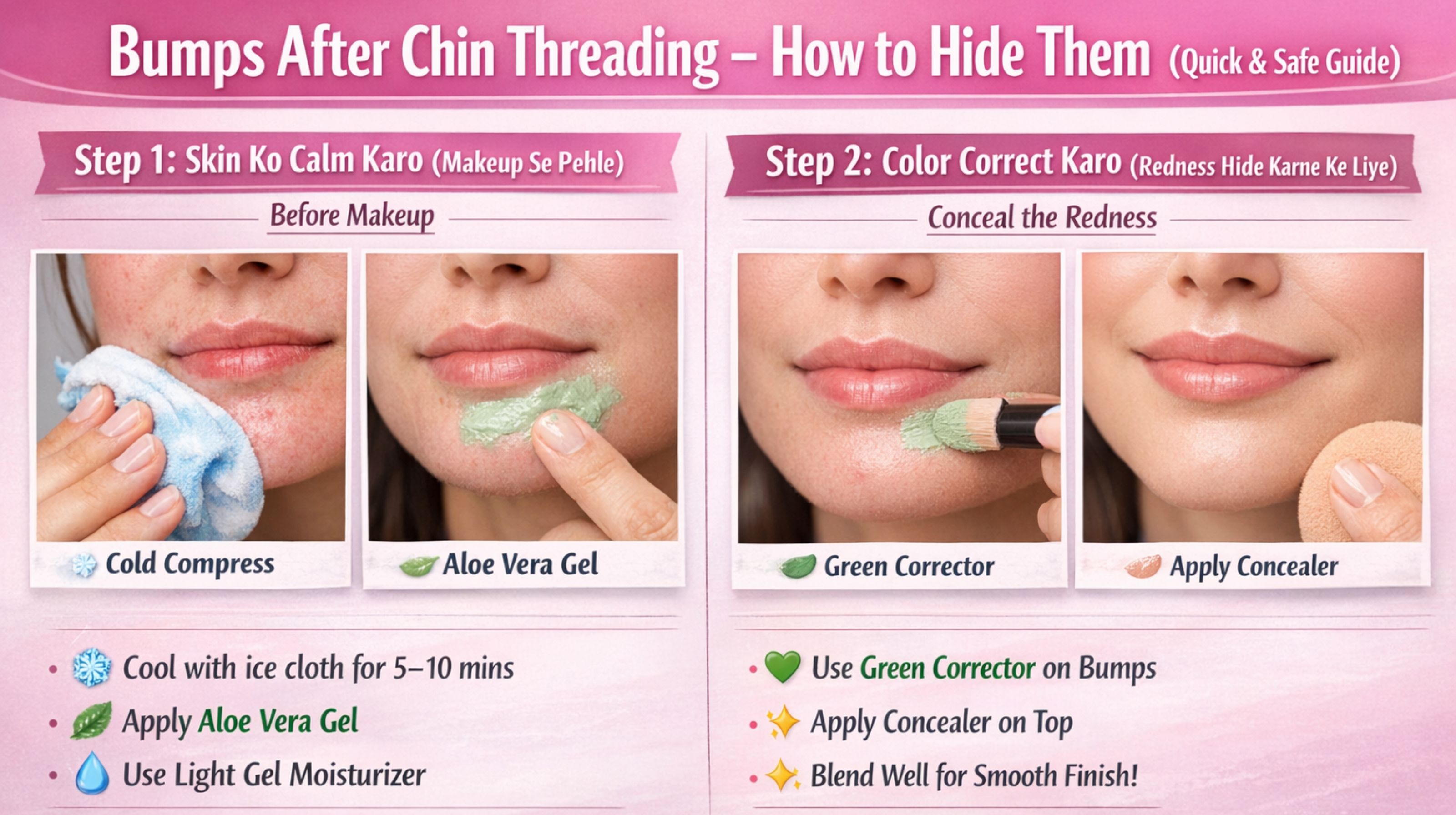
First, soothe: a cold compress or a clean ice cube wrapped in cloth for a few minutes can help reduce the swelling. Something like fragrance-free aloe vera gel feels calming. To hide them, you have to wait until the area is completely dry and cool. Then use a tiny bit of green color corrector just on the reddest parts to cancel out the redness, then lightly pat on a good, non-comedogenic concealer. Set it with a little powder. But this is just a temporary fix, you know? The real solution is trying to prevent it next time through proper care, which feels like a lot to remember. For more on managing salon visits, you can look at parlourtime.com/blogs.
FAQ
q How long do threading bumps usually last?
a For most people, the redness and raised bumps get better in a day or two if you leave them alone. But any dark spots that form can take weeks to fade, which is the really annoying part.
q Can I apply moisturizer after threading if I have bumps?
a Yes, you actually should. Use a very gentle, fragrance-free moisturizer to help your skin heal. Skipping it can leave your skin dry and make the inflammation worse.
q Are bumps a sign of allergy or bad technique?
a Not usually an allergy. It's mostly just a standard reaction. But if it's always really severe, it might be from a technique that's too rough or if the thread isn't clean. Watching how your technician works matters.
q What's the best way to prevent bumps next time?
a Gently exfoliate a day before, avoid strong skincare like acids for 2-3 days before, make sure your skin is clean and dry when you go, and put something calming like aloe on right after. Keeping track of what works for your skin over time helps, which is something an app like parlourtime can be useful for.