

If you have thick, frizzy Indian hair, you've probably looked into gentler alternatives to harsh straightening. It's a common hope, but the reality is that many people end up frustrated. The results just don't last, or they don't really get a handle on your specific curl pattern, leaving you feeling like you wasted your money.
What Formaldehyde Free Smoothening Actually Means
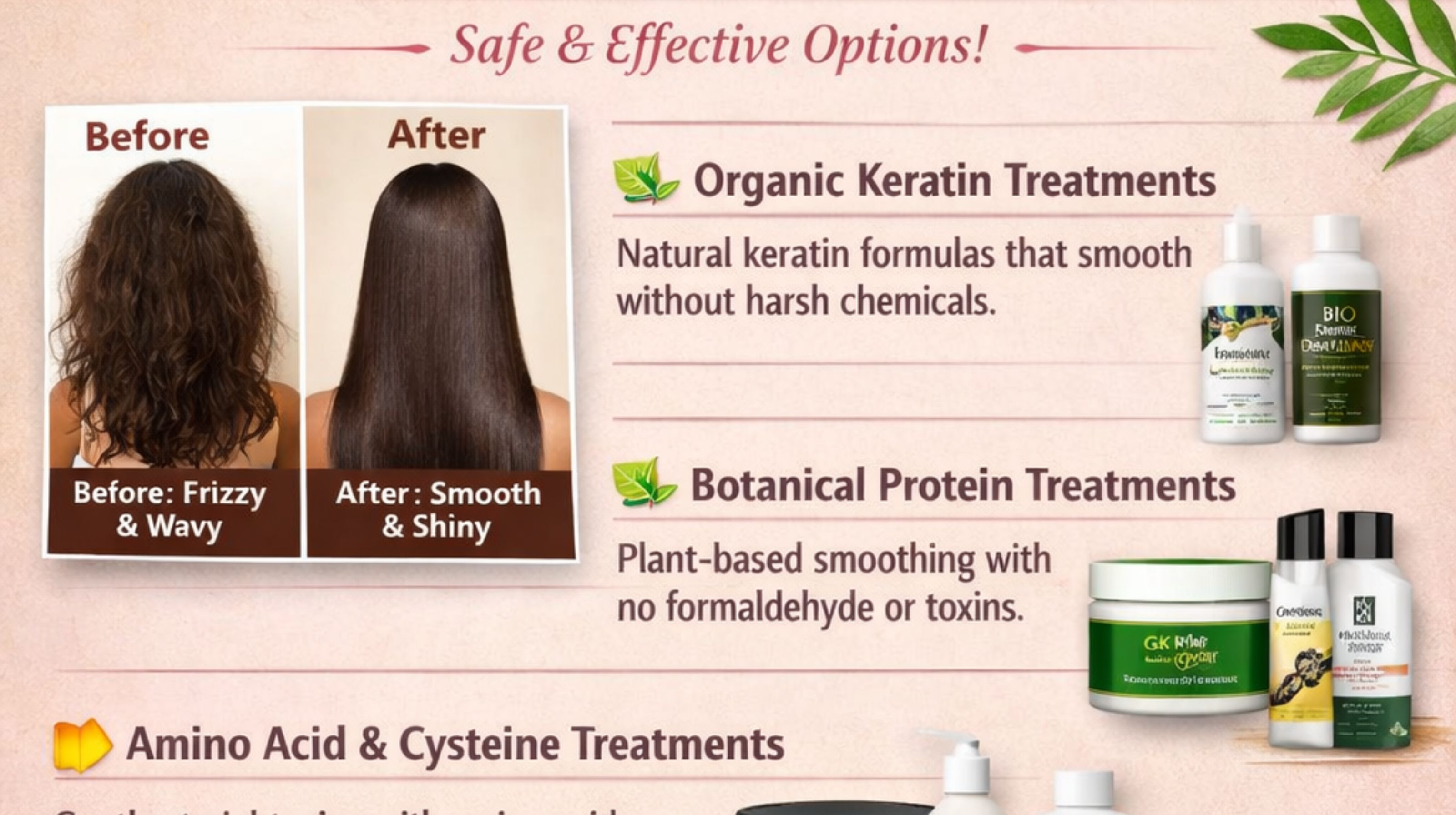
At its core, "formaldehyde free" smoothening is a label for treatments that swap out formaldehyde for other chemicals—things like glyoxylic acid or different bonding agents. Their job is to relax your curls temporarily, usually for about 2 to 4 months, by smoothing frizz and making hair easier to manage. It's not a permanent change like rebonding. The important thing to remember is that "formaldehyde free" doesn't mean "chemical free" or completely without risk. Other active ingredients are still getting into your hair shaft, and the process isn't magic.
The Reality of Results on Dense, Frizzy Indian Hair
On coarse, dense Indian hair, what can you actually expect? You'll likely see less frizz and your hair will dry faster, which is a win. But don't expect that pin-straight, super-glossy look you might get from a traditional keratin treatment. The outcome is more about controlled waves than truly straight hair. One thing they don't always tell you upfront: stylists often need to use the flat iron at higher temperatures, and go over sections multiple times, to activate these alternative formulas. If they're not extremely careful, that heat alone can cause damage. And the results can backslide quickly—a bout of humidity or using the wrong shampoo too soon can bring the frizz right back.
Common Mistakes and Hidden Risks in the Process
The biggest assumption people make is that "formaldehyde free" automatically means "safe and gentle for everyone." That's just not true. Those alternative chemicals can still irritate your scalp or cause allergic reactions in some people. A major technical mistake happens when stylists, trying to be cautious, don't process thick sections of hair thoroughly enough. The result? Uneven smoothness, with some parts behaving and others staying stubbornly frizzy. There's also a clear limit: this treatment struggles on hair that's already porous from coloring or bleaching. The damaged cuticle can't hold the smoothing bonds well, so the effects fade fast and your hair might feel even drier.
How to Decide If This Treatment is Right For You
Your decision really comes down to two things: the current state of your hair and what you're honestly hoping to achieve. If your main goal is taming frizz and making your hair easier to style—not getting poker-straight locks—and your hair is mostly virgin or only lightly colored, then it could be worth a shot. Always, always ask for a strand test first to see how your hair reacts. For something that lasts, you need a plan that combines the right science with consistent aftercare. Talking to a professional in hair and beauty services is key. They can tell you if your hair needs pre-treatment conditioning or if a different, more structured approach to care would be better.
FAQ
How long does formaldehyde free smoothening last on Indian hair?
Usually between 2 and 4 months. But that depends a lot on your hair's porosity, how well you follow the aftercare, and how much humidity and washing it's exposed to.
Is it completely safe for the scalp and hair?
While it avoids formaldehyde, other chemicals are still used that can cause irritation or allergies. Doing a patch test 48 hours before the treatment is absolutely non-negotiable.
Can I color my hair before or after this treatment?
It's best to color at least two weeks *before* the treatment. Coloring afterwards can strip the smoothing agents out, so if you must, wait 3-4 weeks and use a very gentle, sulfate-free color.
What is the most critical aftercare step?
Using shampoo and conditioner that are free of sodium laureth sulfate (SLS) and sodium chloride. This is essential to stop the smoothing bonds from washing out too soon.
Will it make my hair bone-straight?
No, especially not on coarse, curly Indian hair. Expect a major reduction in frizz and volume, with your hair becoming more manageable and wavy—not pin-straight.
How is it different from a Brazilian blowout or keratin treatment?
Traditional Brazilian or keratin treatments often use formaldehyde (or a derivative) for a stronger, longer-lasting straightening effect. The formaldehyde-free versions use milder alternatives, which typically give a softer, less permanent finish.
Can it be done on previously rebonded or chemically straightened hair?
It's generally not recommended. Piling another chemical process on top of already processed hair seriously raises the risk of severe breakage and damage that's hard to fix.
When should I consider a different treatment altogether?
If your hair is already severely damaged, very fine, or if you want a permanent straightening effect. In those cases, looking into alternatives like targeted conditioning treatments or getting a personalized haircare plan from a trichologist might be smarter. Getting this right requires understanding how hair biology and chemical science work together, which is pretty complex.