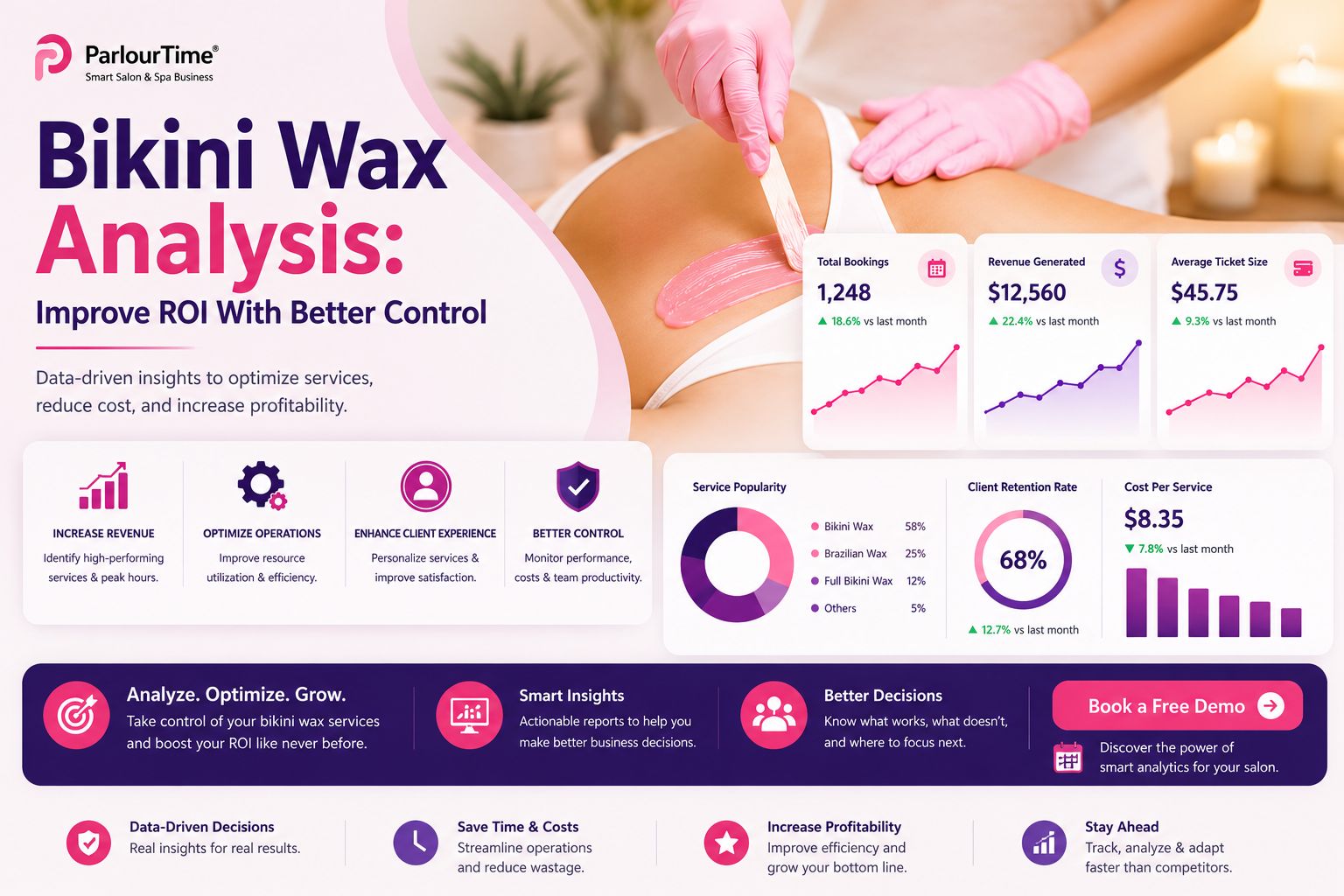


Many customers visit salons expecting a bikini wax to deliver lasting, clean results. However, confusion often arises when regrowth appears quicker than anticipated, or when skin reactions overshadow the outcome. The bikini wax analysis often reveals that the return on investment feels low because expectations around longevity, comfort, and aftercare were not clearly understood beforehand. Customers commonly notice stubble within a few days, experience redness, or question whether the service was worth the discomfort. This uncertainty creates dissatisfaction with salon visits and leaves people wondering what went wrong. Understanding the factors that control bikini wax outcomes is essential for improving both satisfaction and perceived value. Or at least — that's what I keep telling myself after every appointment.
What Customers Notice First After a Bikini Wax
Immediately after a bikini wax, most people observe temporary redness, slight swelling, or sensitivity in the treated area. This reaction is normal and usually subsides within a few hours. But honestly, when those symptoms hang around longer than expected — or when regrowth shows up uneven and patchy — that's when the doubt creeps in. Customers often expect completely smooth skin for at least two to three weeks. When this doesn't happen, you start questioning the quality of the service or the skill of the technician. The bikini wax analysis shows that the initial observations — redness, discomfort, and early regrowth — are heavily influenced by skin type, hair texture, and aftercare habits rather than service quality alone. These early signals create doubts that affect how customers judge the whole experience, not just the wax itself.
Why Bikini Wax Results Vary Between Customers
The reality is that bikini wax outcomes differ significantly based on individual factors. Hair growth cycles vary, and waxing only removes hair in the active growth phase. So some hair will always remain underneath the skin and emerge later, making it feel like regrowth happened overnight. Skin sensitivity also plays a major role. Sensitive skin reacts more intensely, leading to prolonged redness or bumps that hide the smooth look you were hoping for. And then there's hormones, medication, even stress — all of which can influence hair growth patterns and skin reactivity. A bikini wax analysis must consider these variables before deciding the service itself underperformed. Many customers overlook that their own body's biology, not the wax or technician, dictates how long results actually last. This understanding is crucial for setting realistic expectations — something I wish someone had explained to me earlier.
Common Mistakes That Reduce Bikini Wax ROI
Several blind spots frequently lower the perceived return on investment from a bikini wax. One major mistake is neglecting proper aftercare — I've been guilty of this myself. Applying harsh soaps, tight clothing, or jumping into activities that cause excessive sweating right after waxing just irritates the skin and invites ingrown hairs. Another overlooked factor is scheduling waxing too close to your menstrual cycle when skin is naturally more sensitive. Many customers also assume that more frequent waxing will permanently reduce hair growth, but that depends on consistent timing and individual hair cycles. A bikini wax analysis often reveals that dissatisfaction escalates because customers expect immediate perfection without understanding the maintenance required. Overlooking these conditions creates disappointment that could have been avoided with better preparation and realistic knowledge — but nobody tells you this upfront, do they?
How to Make Better Decisions About Bikini Wax Timing and Care
Improving control over bikini wax outcomes starts with timing. Scheduling waxing at least three to five days before any event allows redness to subside and skin to settle. Waiting until hair is at least a quarter inch long ensures the wax grips properly, reducing pain and improving results. Aftercare routines should include gentle cleansing, avoiding heat, and applying soothing lotions or aloe vera. If ingrown hairs or persistent redness occur, salon consultation becomes necessary to assess whether the skin needs a break or a different wax type. When customers notice diminishing returns from repeated waxing — meaning more pain, more irritation, or less smoothness — it may be time to consider alternative hair removal methods or professional reassessment. Parlourtime discussions often highlight that maintenance expectations influence satisfaction more than the treatment itself. A thorough bikini wax analysis helps customers decide when to continue, when to pause, and when to switch approaches — honestly, it helps you stop throwing money at something that isn't working for you.
Frequently Asked Questions
q How long should a bikini wax last before regrowth appears?
Most people see visible regrowth within two to three weeks, but individual hair cycles and skin sensitivity affect this timeline significantly.q Why do I get red bumps after a bikini wax?
Red bumps are usually a normal reaction to hair follicle stimulation, often resolving within 24 to 48 hours with proper aftercare.q Does frequent bikini waxing permanently reduce hair growth?
Regular waxing can weaken hair over time, but complete permanent reduction is unlikely and depends on consistent timing and hormonal factors.q Can I exercise immediately after a bikini wax?
Exercising right after waxing increases sweat and friction, which can irritate sensitive skin and raise the risk of ingrown hairs.q How can I make my bikini wax results last longer?
Exfoliating gently after the first two days, moisturizing regularly, and avoiding tight clothing helps extend smoothness and prevent ingrown hairs.q Is bikini wax painful for everyone?
Pain levels vary widely based on individual pain tolerance, skin sensitivity, hair thickness, and the technician's technique.q What should I do if my bikini wax results are uneven?
Uneven results can occur due to hair growth cycles; waiting for full regrowth and scheduling your next appointment correctly often resolves this.q When should I consider a different hair removal method instead of waxing?
If you experience persistent irritation, excessive pain, or unsatisfactory results after multiple sessions, alternative methods like laser or sugaring may be worth exploring.