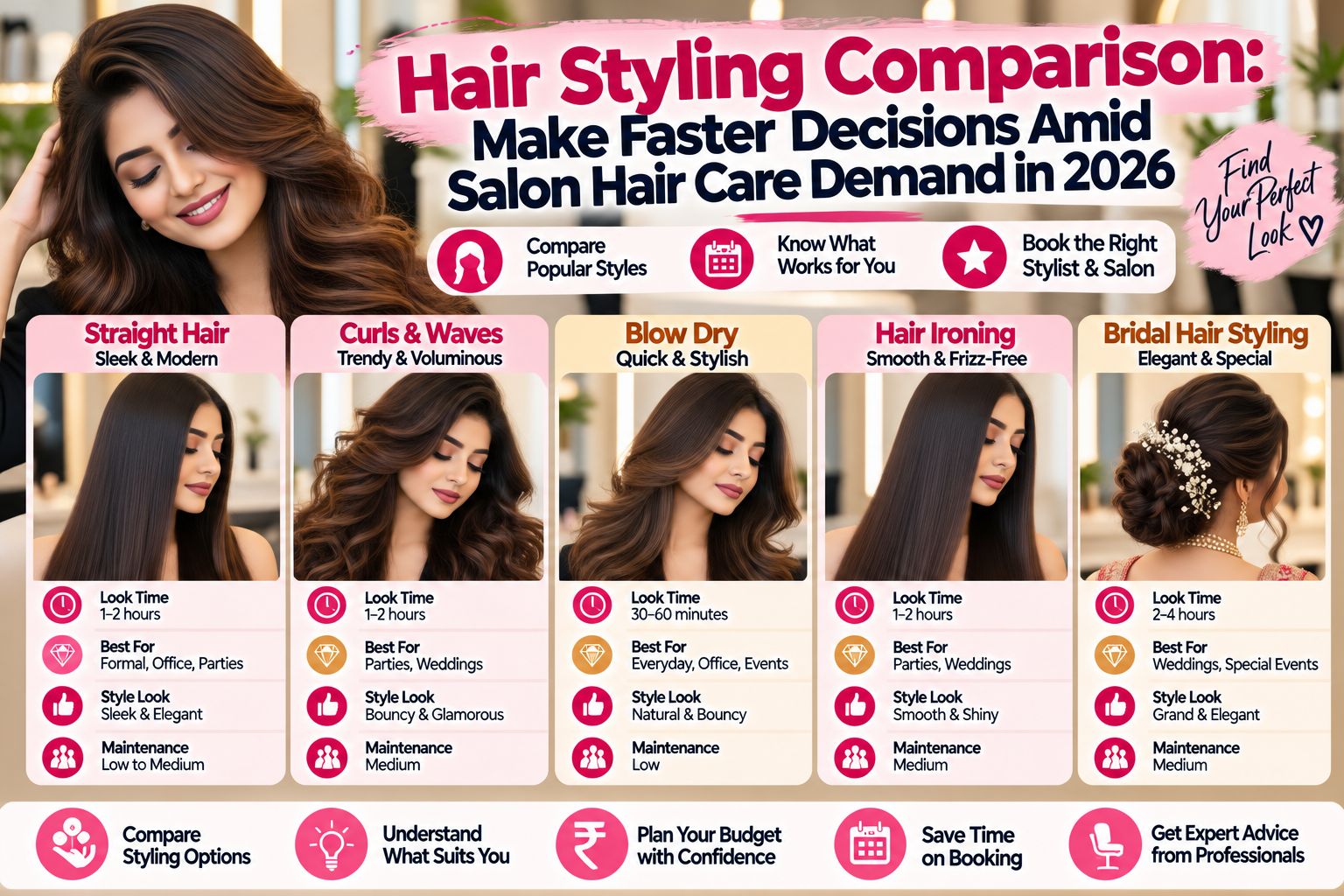


A hair styling comparison gets easier when you stop comparing names and start comparing what each service asks of your hair. The goal here is simple: know which salon service fits your hair condition, your event date, and your aftercare routine before you sit in the chair. Salon hair care means the styling and treatment work a salon provides, and picking well comes down to four things: what the service does, how long it lasts, what it demands afterward, and whether your hair and scalp can handle it right now. This guide gives you those decision points in plain terms.
Why Hair Styling Comparison Feels Confusing During Real Salon Visits
Most confusion starts at the consultation table. You point at a photo, and the stylist lists two or three services that could all produce a similar look. Smoothening, keratin, hair botox, hair spa, and coloring often get described with the same three words: smooth, shiny, frizz-free. That makes them sound interchangeable when they are not.
People also mix up styling with repair. A glossy finish is a surface result, not proof that damage underneath has been fixed. That single misunderstanding causes most of the disappointment that shows up weeks later.
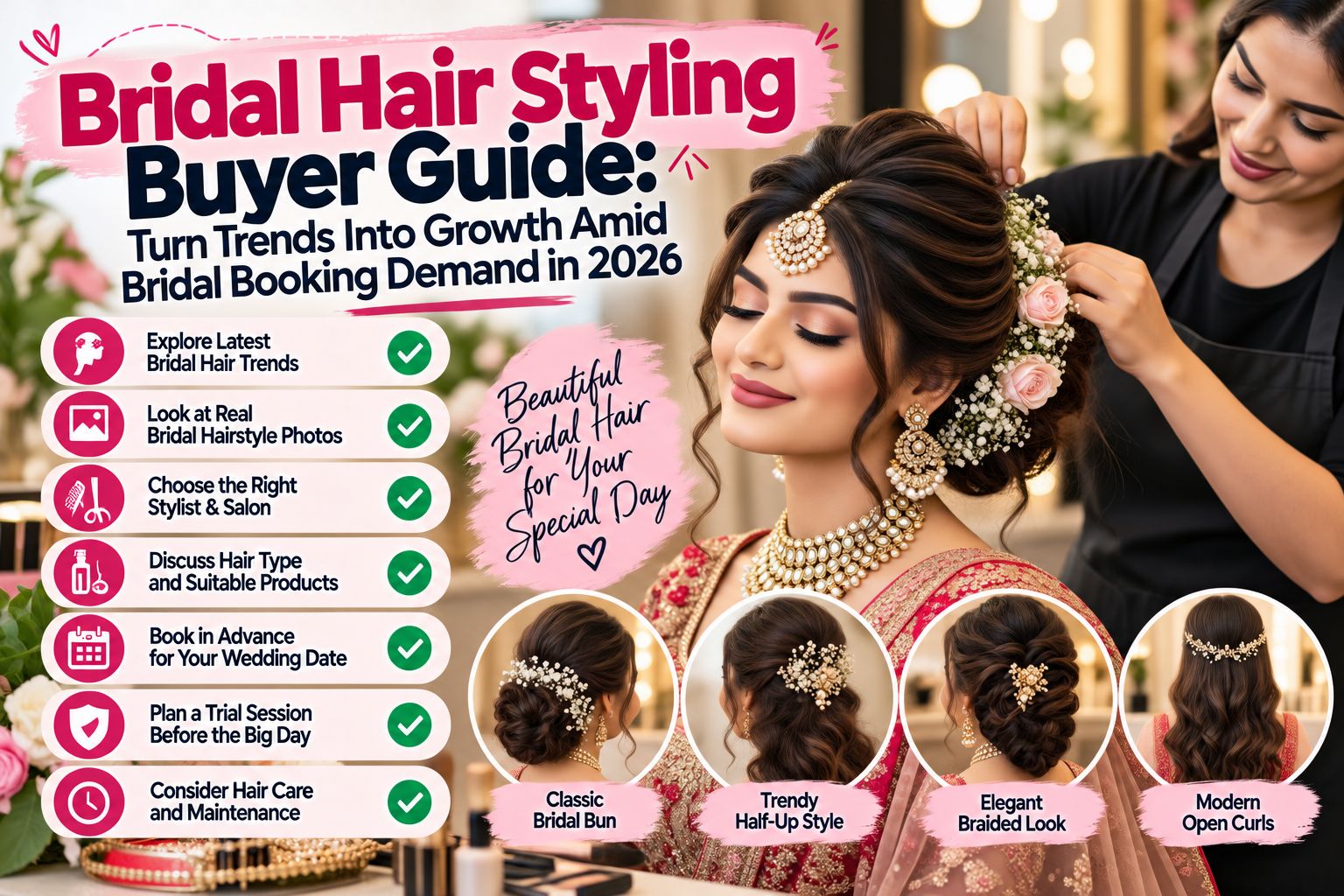
Timing adds pressure. Wedding prep, festival grooming, and pre-event bookings push people to decide fast, sometimes skipping a patch test or a proper hair texture check. A person with a sensitive scalp may book the same service a friend tolerated easily, then wonder why the experience felt so different.
A practical fix: before you compare prices, ask two questions. What does this service actually change about my hair? What will I have to do every week to keep the result? If the answers are vague, the service is not the problem. The consultation was too short.
What Actually Happens to Indian Hair During Styling Services
Indian hair usually carries a mix of natural thickness, humidity exposure, and some chemical history. Each of those factors changes how a service behaves, which is why the same treatment can feel different on two people.
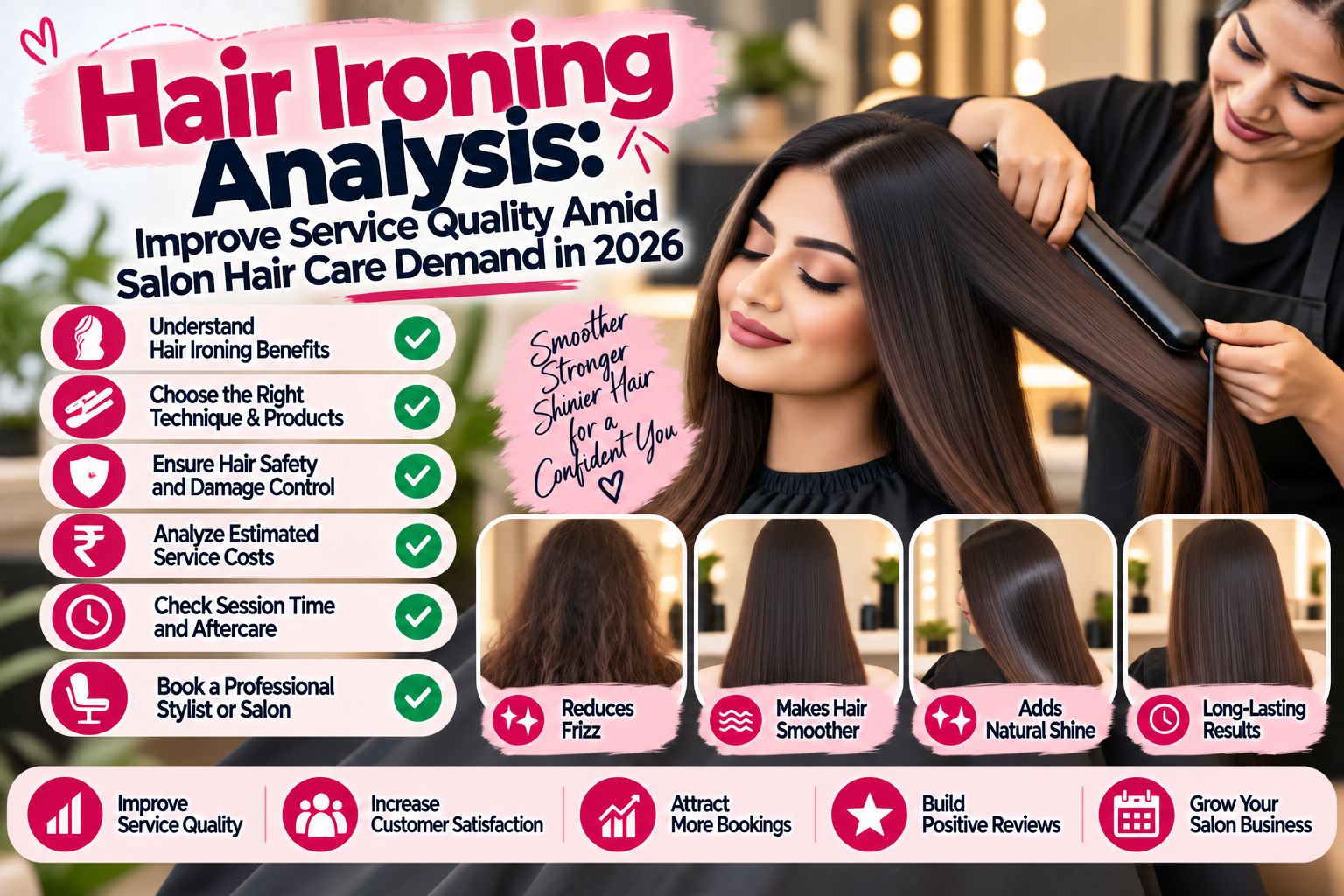
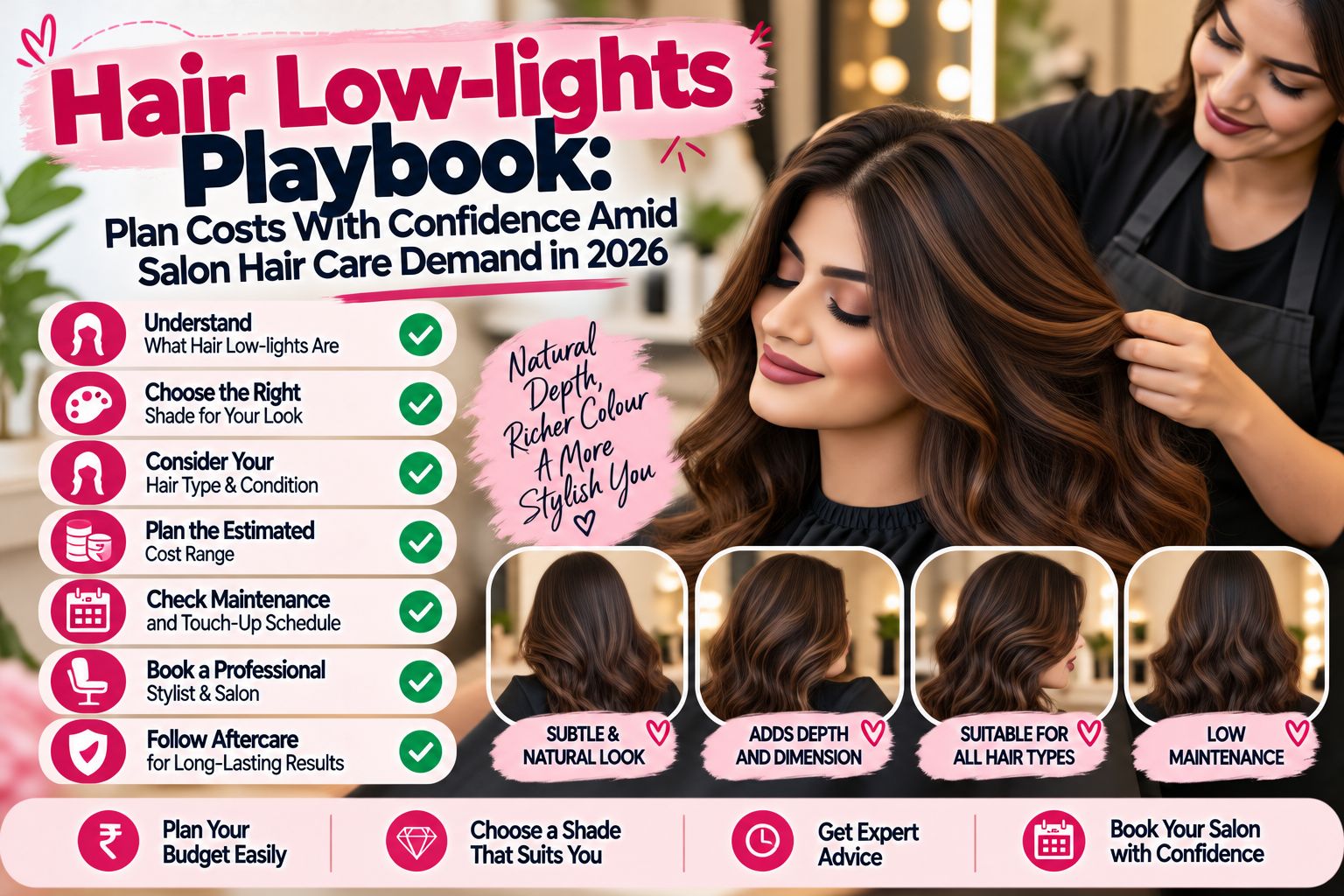
Broadly, here is how the common categories differ. Smoothening is a restructuring service and gives the sleekest, longest-lasting result, but it is also the heaviest commitment. Keratin treatment is a smoother and frizz-reducing service, and results typically soften rather than go fully straight. Hair botox is a lighter smoothing and conditioning service, closer to a treatment than a transformation. Hair spa is a moisture and scalp comfort service, so it rarely delivers a sleek finish. Coloring changes tone, not texture.
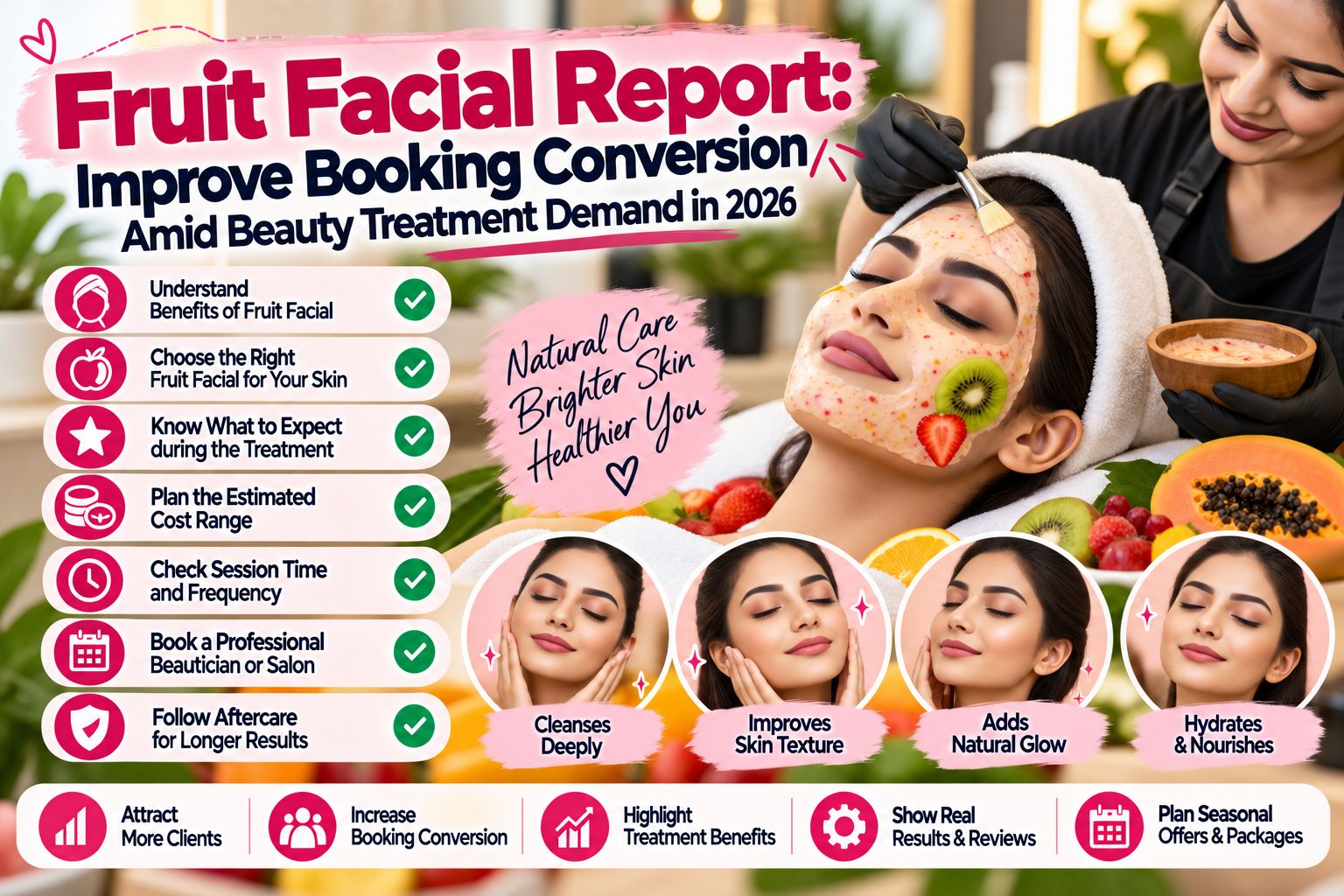
Scalp health quietly decides outcomes more than most customers expect. A dry or oily scalp can change how fresh a treatment feels, and sensitivity after exfoliation during a cleanup facial or facial can hint that your skin reacts strongly to active ingredients. Water quality and your home hair care routine keep shaping the result long after you leave. That is why two customers can book the same service and report completely different experiences.
Mistakes That Make Hair Styling Comparison Harder Than It Needs to Be
The most common mistake is assuming a higher price delivers a better outcome. Price usually reflects how strong the chemicals are, how long the session runs, and the product grade used. It does not confirm the service suits your hair condition.
Another blind spot is treating smoothening as a permanent repair for damage. It cannot rebuild broken bonds the way a dedicated hair damage repair approach might, so ends can still feel dry even when the surface looks smooth. Skipping maintenance products is equally common, and aftercare often matters as much as the salon application itself.
Then there is timing. Booking a strong chemical service days before a wedding leaves no room for your hair to settle, and any temporary tightness, redness, or unexpected frizz turns into a visible problem on the day. Repeating the same treatment hoping for a different result is another pattern worth noticing. If two sessions of the same service have not improved smoothness or manageability, a third session is unlikely to change the underlying issue, and the money is better spent on hair fall treatment or scalp-focused care. Chasing surface shine while ignoring scalp health only delays the real solution.
Practical Decision Points for Choosing a Hair Styling Service
Match the service to your goal, not the menu. If you want less frizz but natural movement, a lighter option usually serves better than a strong smoothening service. If dryness and scalp comfort are the main concerns, hair spa is the closer fit.
Signal to act on: if your hair feels heavy, stiff, or unusually dry two weeks after a service, the issue is most likely aftercare or service selection rather than the salon's technique alone.
Symptom to action: if scalp discomfort or sensitivity continues after a treatment, your next booking should start with a consultation, not another chemical service.
Misconception to correct: an immediate glow does not confirm long-term improvement. Results depend on maintenance frequency and product compatibility over the following weeks.
Operational scenario: for a wedding or event within two weeks, lighter styling and pre-event grooming usually carry less risk than a strong smoothening or coloring service that needs recovery time.
Decision boundary: maintenance products cannot fully reverse severe damage. Very damaged hair may not reach the smoothness shown in reference photos, and repeating identical treatments stops helping once hair reaches its limit. At that point, professional reassessment of scalp health and hair texture matters more than trying another service.
Common Field Signals and What to Check Next
Results that fade sooner than expected usually trace back to hair condition, aftercare, and product compatibility rather than the service itself. Adjust your home routine before booking again.
Stop expecting straight hair from a frizz-reducing service. Keratin treatment softens and adds manageability, so if straight is the goal, discuss a stronger option instead.
Distinguish smoothing from restructuring. Hair botox conditions and smooths; smoothening restructures. Choose based on how much change you actually want.
Color fading faster than anticipated usually points to washing frequency, water quality, and heat styling rather than the application alone.
Request a patch test before any facial or chemical service if you know your skin reacts to exfoliation or active ingredients.
Space out hair spa sessions based on scalp dryness rather than a fixed weekly habit. More frequent is not automatically better.
Reassess instead of repeating. Once two or three sessions stop improving smoothness or manageability, book a consultation on scalp health and hair texture before your next service.
Written by: Parlour Time Editorial Desk
Published: 04 October 2026, 12:18 AM IST | Updated: 04 October 2026, 12:18 AM IST
Powered by: Parlour Time