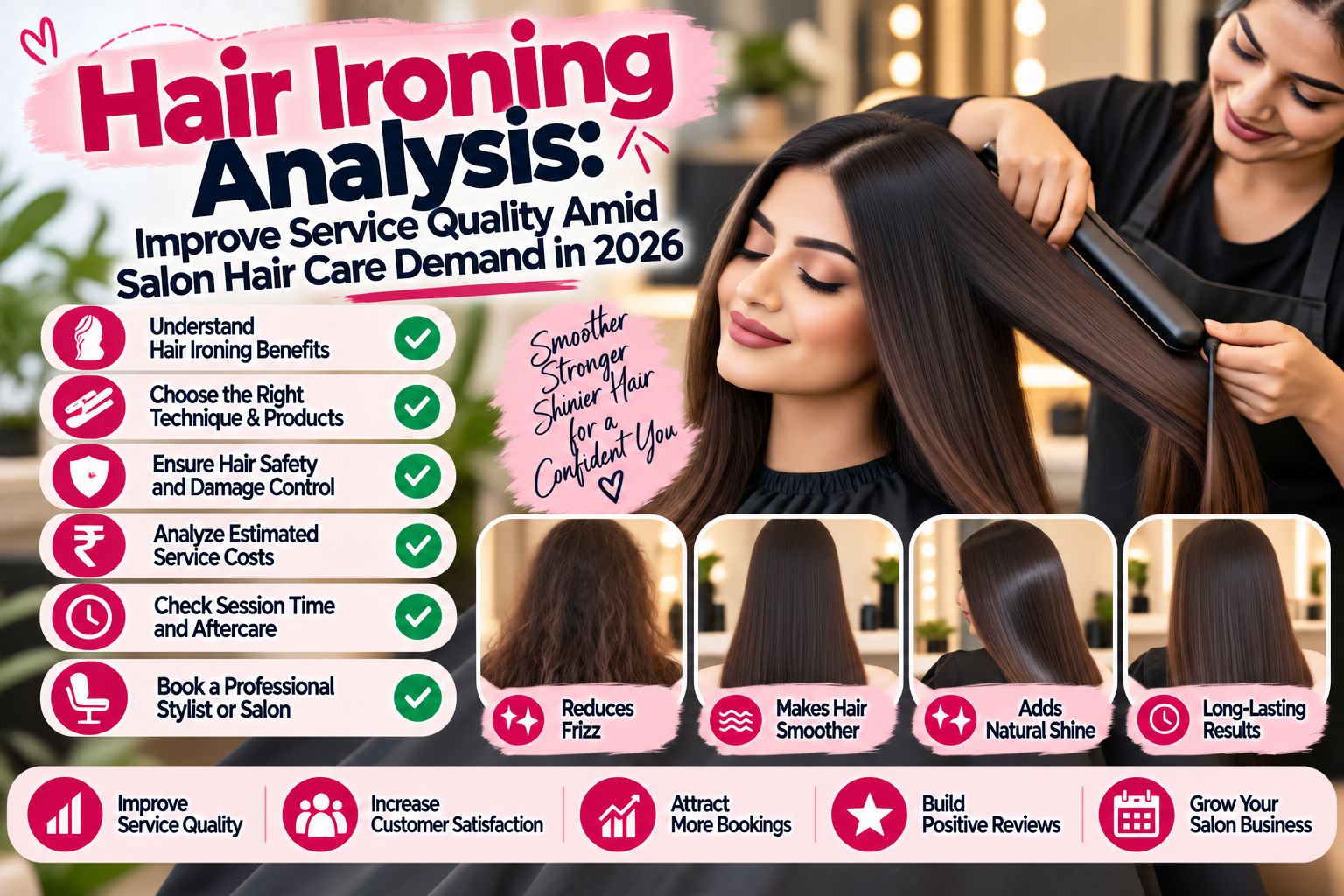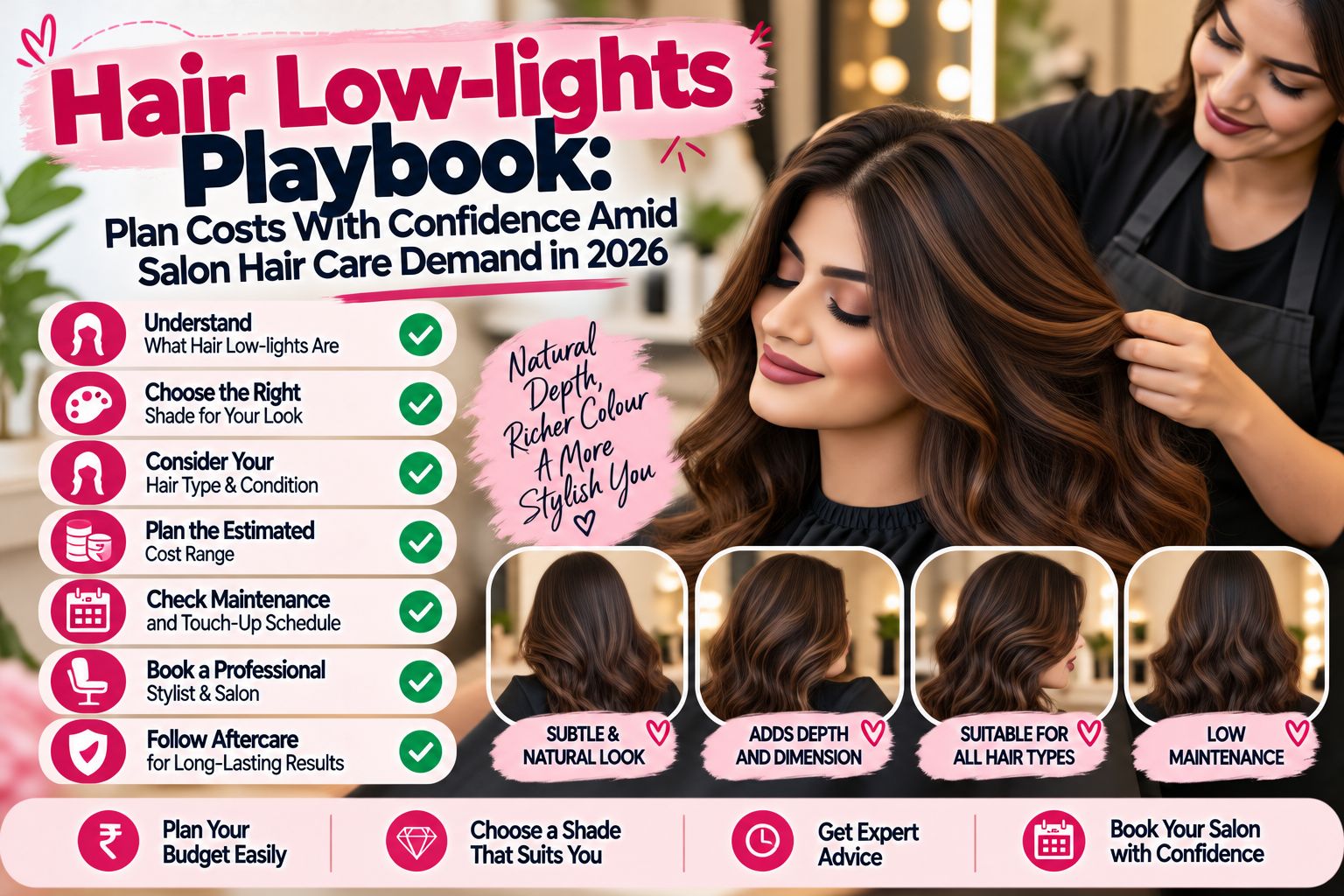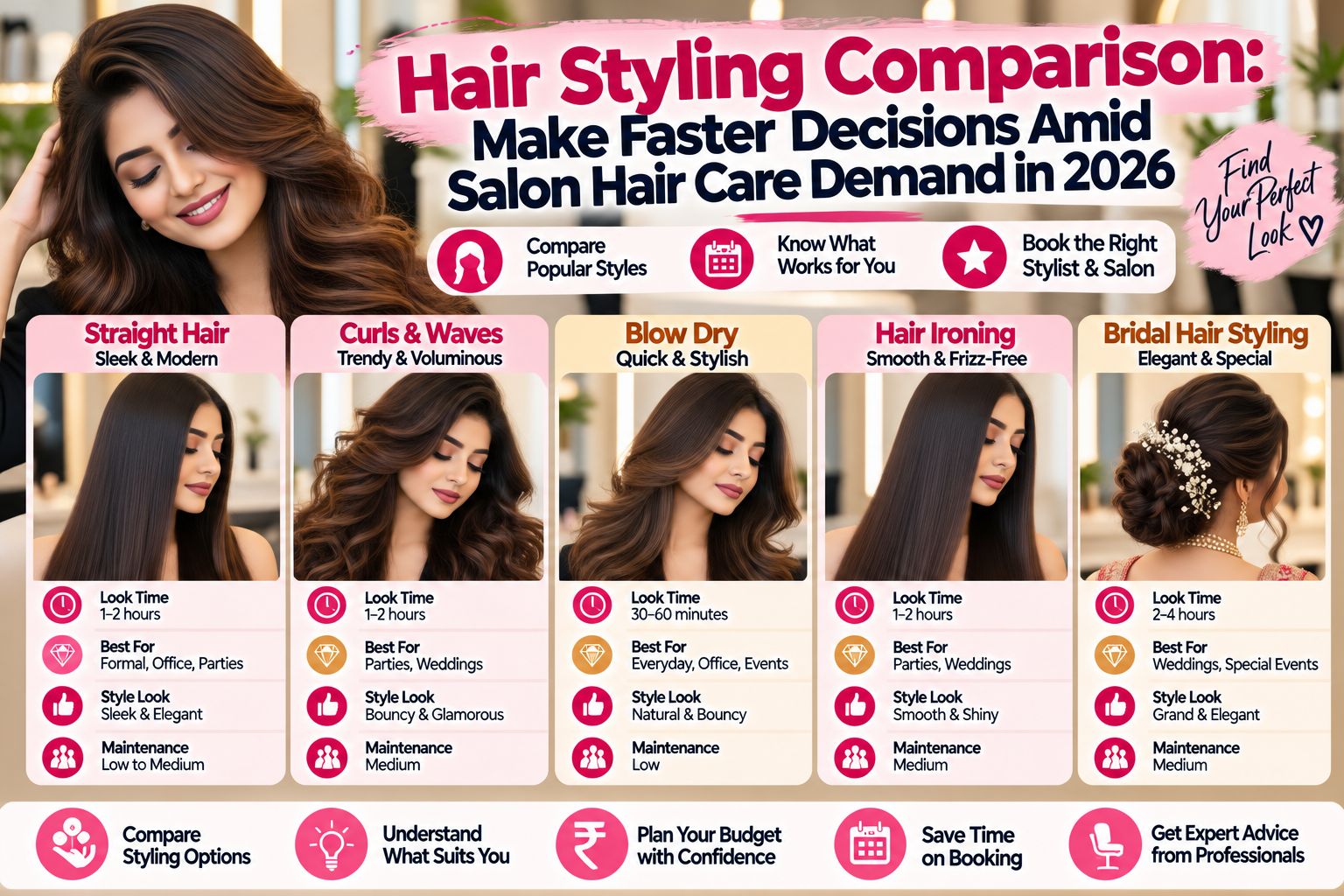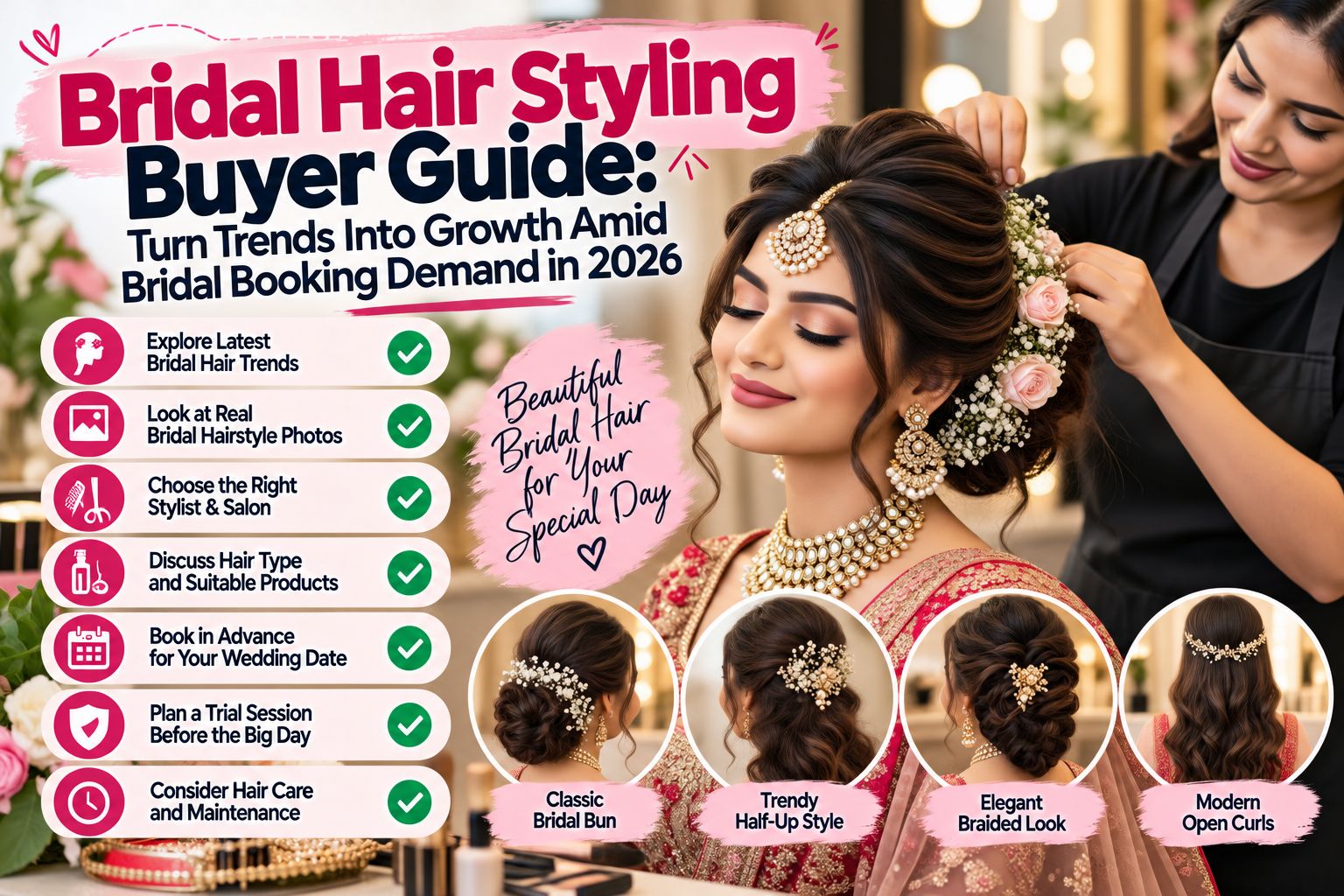


This bridal hair styling buyer guide is written for salon owners and freelance bridal stylists who have to choose products, set package tiers, and fix booking terms before the season starts. The practical outcome is simple: a decision you can defend with your own numbers instead of guessing from what other salons appear to be doing. No verified 2026 trend data was available while preparing this guide, so nothing here claims a market shift. Everything is framed as criteria you apply to your own bookings, your own trials, and your own rate card.
Define the Decision Before You Price Anything
Start by naming what you are actually deciding. Most bridal work runs into trouble because three separate decisions get mixed into one. The first is your product and technique choice. The second is the scope of the service you sell. The third is the booking terms that protect your calendar. When these are tangled, a bride hears one price and assumes it covers everything, and the stylist ends up absorbing the difference on the wedding morning.
Write your current bridal booking demand into a single sheet before the season begins: how many enquiries you took, how many converted, and how many needed more than one trial. You supply the figures. The point is not the total, it is where the drop-off sits. If most enquiries stall after the price is mentioned, your scope is unclear. If they stall before the trial, your availability or timing terms are the issue. That single observation usually tells you which of the three decisions to fix first.
Where a boundary helps is in what a package can honestly promise. Durability depends on hair condition, weather, and how long the bride stays styled, and no package can guarantee a fixed number of hours. State what you will do, such as a mid-event refresh, rather than what the style will do on its own.
Choose Bridal Hair Products Against Your Own Trial Records
Product selection is where buyer guides usually go vague, so treat this as a documentation exercise. Every trial you run should produce a short record: hair texture, whether there is a chemical history such as smoothening or colour, how the scalp responded to pins and spray, and how the style held by the end of the session. Once you have a few dozen of these, your product decisions stop being a matter of preference and start being a matter of pattern.
Climate belongs in the same record, not in a general rule. Two salons in the same city can get different results because of venue air conditioning, the time the styling starts, and how much the bride travels between locations. Test your setting products under the conditions you actually work in and note the result each time. A hold that works for a morning ceremony may behave differently for an evening reception, and you only learn that from your own log.
Chemically treated hair is another field worth tracking separately. Sections can respond unevenly, and the answer is often a different setting method rather than a stronger product. Note which technique worked on which head, and you build a bridal stylist toolkit that reflects real outcomes instead of shelf recommendations.
Set Service Tiers and Booking Terms That Hold Up
Package scope causes more disputes than price. Before quoting, define each tier in plain fields: which events are covered, whether family styling is in or out, how many people are included, whether travel is billed separately, and what a touch-up on the day costs. When these fields are empty, the bride fills them in with her own assumptions, and family members in particular tend to assume styling is included for them.
Booking terms deserve the same treatment. Decide how long you will hold a date without a confirmation amount, what happens when a bride cannot commit to a trial date, and how you handle two weddings on the same morning. Hold the slot only briefly in those cases, and say so at the point of enquiry rather than after the date sits idle. Clear terms are not unfriendly. They are what lets you keep the calendar honest.
Trial timing is your call, not a rule you inherit. What matters is that the trial happens early enough for you to change technique or product before the wedding week. Work backwards from your own preparation time and set the latest date you can comfortably accept. Some readers use salon blog guidance to compare how other businesses set these terms before writing their own.
Run a Local Comparison on Criteria You Can Verify
A short local comparison keeps your pricing honest without copying anyone. Compare on neutral dimensions only: number of events covered, whether a trial is included, whether family styling is quoted separately, travel terms, and how touch-ups are handled. A vendor with a managed-review workflow may document trials in more detail than you do, which is a useful prompt to check your own records rather than a reason to match their price.
| Decision area | What to record | Why it matters |
|---|---|---|
| Product and technique | Texture, chemical history, scalp response, hold at end of trial | Reveals which products fit your actual clients |
| Service tier scope | Events covered, family styling, travel, touch-up cost | Prevents disputes on the wedding morning |
| Booking terms | Hold period, confirmation amount, trial deadline | Protects your calendar during peak dates |
| Aftercare protocol | Cleanse guidance, spa timing, loose-style period | Gives the bride a written routine to follow |
Fill the third column with your own notes after each wedding. A comparison only earns its keep when the entries come from your bookings rather than from an assumption about what the market does.
Decision Signals for the Coming Bridal Season
Enquiry volume without conversion points at scope wording, not price. Rewrite the package fields before you touch the rate card.
A bride who cannot commit to a trial date is a tentative booking. Hold the slot briefly, confirm in writing, and free the date if it stays open.
Scalp itching or tightness during a trial is a signal to change product or pin placement then, not on the wedding morning.
A higher tier does not automatically mean a longer-lasting style. Technique, hair condition, and the day's conditions carry more weight than the rate.
Two weddings on one morning need travel and setup time written into the plan. Rushed styling at the second venue is the usual source of complaints.
Aftercare is part of the sale. Hand the bride a short written routine and note the follow-up appointment at the time of booking.
Stylists building their season often find that structured practice through salon courses helps with trial pressure and with handling family opinions in the room. The test of a good bridal season is not how many dates you filled, but how many of those brides would book you again for the next function in the family.
Written by: Parlour Time Editorial Desk
Published: 04 October 2026, 12:17 AM IST | Updated: 04 October 2026, 12:17 AM IST
Powered by: Parlour Time