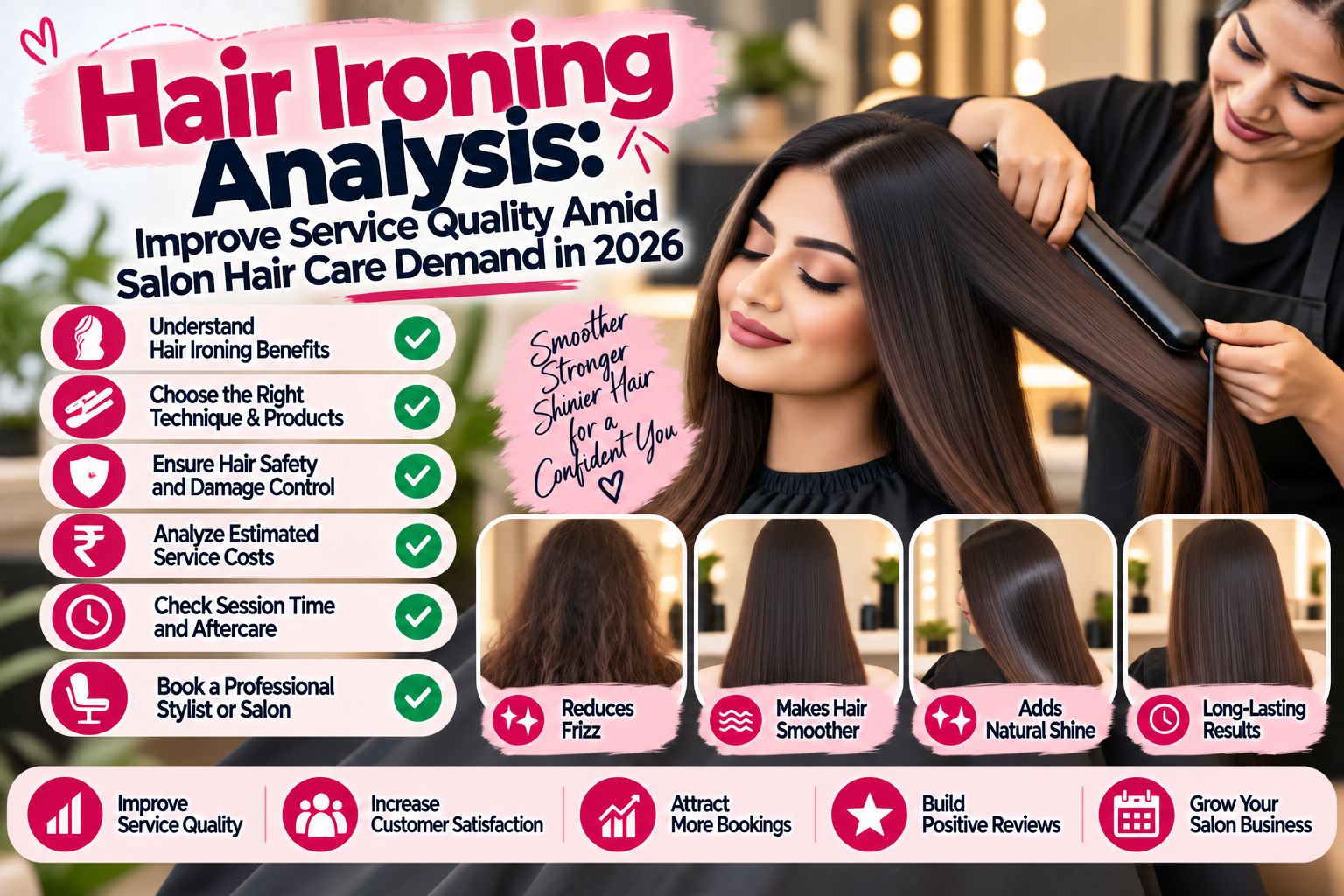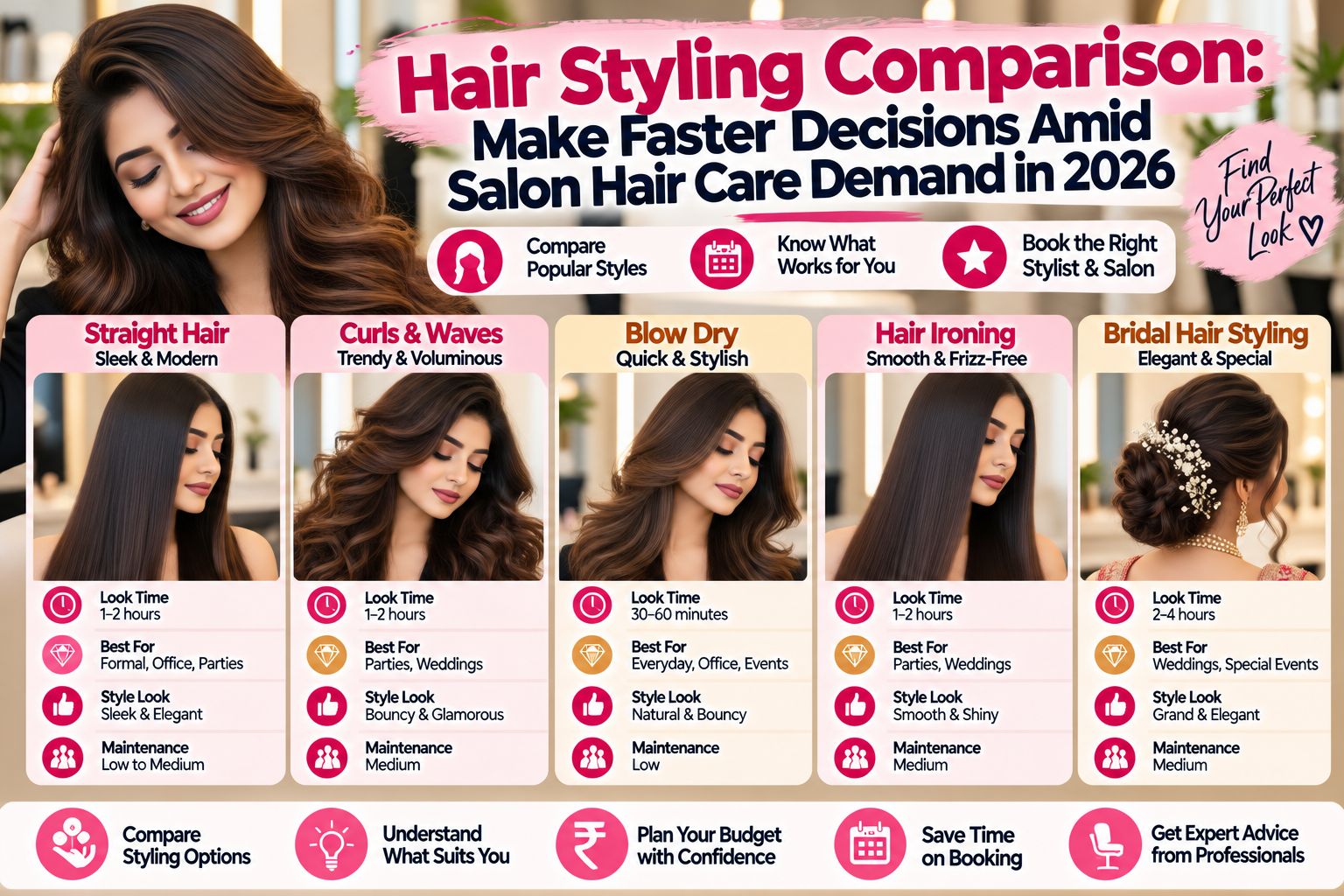


When a salon professional decides to scale services through a blow dry platform, the first uncertainty usually appears after the initial bookings. Customers often arrive with specific expectations formed by online descriptions, and the gap between what was promised and what is delivered creates immediate tension. Many stylists notice that the pressure to maintain high ratings conflicts with the realistic outcomes of hair services — I mean, you can't control everything. This mismatch between platform promises and actual salon experiences causes confusion for both the service provider and the client. The concern is not about skill but about whether the platform accurately represents what a blow dry service can actually achieve on different hair types and conditions.
What Happens When You Rely on Platform Descriptions
The first reality check happens when a customer books a blow dry session expecting long-lasting volume or smoothness based on platform photos and reviews. In many cases, the service delivery itself is competent, but the result does not match the exaggerated claims seen online. Salon professionals often notice that clients compare their results to heavily filtered images or treatments performed on model-quality hair, which is just... not realistic. The real challenge is not the blow dry technique but the variability in hair texture, density, scalp condition, and prior chemical exposure. Customers who expect transformation in one session often leave disappointed, not because the service failed, but because the platform created unrealistic benchmarks.
Experience shows that someone with naturally curly or frizz-prone hair may not achieve the same sleek finish as a person with straight, virgin hair. This is a common blind spot for platforms that market blow dry services as universally effective. The professional who performs the service understands these limitations, but the customer rarely does. The dissatisfaction starts when the client feels misled rather than when the service ends — that's the tricky part.
The Reality of Results Across Different Hair Types
Blow dry outcomes depend heavily on hair porosity, density, texture, and history of chemical treatments. A client with recently bleached or coloured hair often experiences faster frizz return because the cuticle layer remains open and vulnerable. Scalp health also plays a significant role. An oily scalp can reduce the longevity of a blow dry by weighing down the roots, while a dry scalp may cause flaking that becomes visible after styling. Many customers assume that any professional blow dry should last three to four days, but this is rarely true in humid or monsoon conditions.
In Indian weather, even a perfectly executed blow dry may lose volume within hours because of moisture in the air — I've seen this happen so many times. The stylist cannot control environmental factors, yet the platform rating system often penalises the provider for conditions outside their control. This creates a situation where skilled professionals hesitate to take bookings during certain seasons because they anticipate negative feedback. The platform rarely accounts for these variables, which shifts the risk entirely onto the service provider.
Common Misunderstandings That Lead to Negative Experiences
One of the biggest misunderstandings is that a blow dry is a permanent or semi-permanent styling solution. Customers often book this service as a substitute for heat styling tools, expecting it to hold until their next wash. In reality, a blow dry is a temporary styling technique — let's be honest — it can last anywhere from a few hours to two days, depending on the client's activity level, climate, and hair care routine. The expectation of longevity is a direct result of platform marketing that highlights durability without mentioning the variables.
Another overlooked detail is the pre-service preparation. Many clients arrive with hair that is not freshly washed or contains residual product. This affects how the blow dry holds and how the hair behaves after styling. Professionals often need to adjust their technique or product choices to compensate for this, but the final result still depends on the starting condition. Platforms that do not educate customers about preparation create an environment where disappointment becomes likely even before the service begins.
How to Make Safer Decisions Before Scaling Through Platforms
The safest approach before scaling services through any blow dry platform is to clearly set expectations during the booking process. Professionals should include service notes that describe what a blow dry can realistically achieve based on the client's hair type. It is also helpful to offer pre-service consultations, even if they add a few minutes to the appointment. During this short discussion, the stylist can assess hair condition, explain longevity limits, and suggest aftercare routines that help maintain results.
Timing also matters. Clients who book blow dry services immediately before an event often expect perfection under pressure. This creates stress for the provider because any variation in result feels magnified. Encouraging clients to book a trial session before a major event reduces both the provider's anxiety and the customer's disappointment. Many experienced stylists also recommend limiting blow dry bookings during extreme weather months or adjusting pricing to reflect the additional effort required for challenging hair types.
When professionals feel that platform expectations no longer match service reality, it becomes reasonable to reconsider the platform itself. The decision to scale should be based on aligned expectations, not on volume pressure. If the platform consistently allows customers to believe something that the stylist cannot deliver, scaling through that channel may increase dissatisfaction rather than revenue. Some beauty service professionals use parlourtime to compare service timing and expectations before committing to platform-based growth.
The best decision is often a slower one — honestly, rushing never helps. Testing a few bookings, gathering honest feedback, and adjusting descriptions before adding more appointments reduces long-term risk. Professionals who prioritise clarity over volume build more sustainable service relationships. The boundary condition here is simple: if the platform's marketing does not match the reality of your service quality, scaling through it will compound the problem instead of solving it. Reassessment should happen before expansion, not after a pattern of negative reviews has already formed.
Frequently Asked Questions
q What is the biggest risk when scaling through a blow dry platform?
The biggest risk is a mismatch between platform marketing and actual service outcomes, which leads to dissatisfied clients and lower ratings.
q Why do blow dry results vary so much between different clients?
Variation depends on hair texture, porosity, scalp condition, chemical history, and environmental factors like humidity.
q How can a stylist reduce negative reviews from blow dry platforms?
Offering pre-service consultations and setting realistic expectations about result longevity helps reduce misunderstandings and disappointment.
q Is a blow dry service suitable for all hair types?
Blow dry techniques can be adapted, but results on heavily damaged, curly, or chemically treated hair may not match smoothness expected from straight virgin hair.
q What should a customer know before booking a blow dry session?
Customers should understand that a blow dry is a temporary styling service lasting a few hours to two days, not a permanent solution.
q When should a professional avoid taking blow dry bookings through a platform?
During extreme weather seasons or when the client has unrealistic expectations that the platform marketing has already reinforced.
q Can a blow dry platform be trusted for consistent service growth?
Platforms can support growth only if the booking descriptions and customer education systems align with what providers can realistically deliver.
q What is the most overlooked factor in blow dry satisfaction?
The client's pre-service hair condition and preparation routine significantly influence outcome, yet platforms rarely educate customers about this.