Live Apps
Download Parlourtime and Partner apps

Quick app access for customers and partners.

HomeAboutContactPartner AppCoursesBlogsFAQ

Chin Threading Buyer Guide for Better Service Visibility

By Parlourtime Team
No Date
7 min read
chin threadingfacial hair removalskin sensitivitypost-threading caresalon serviceshair removal visibility
Chin Threading Buyer Guide for Better Service Visibility

About This Article

Chin Threading Buyer Guide for Better Service Visibility Chin threading often leaves customers uncertain about what visible results to expect after their sal...

Chin Threading Buyer Guide for Better Service Visibility

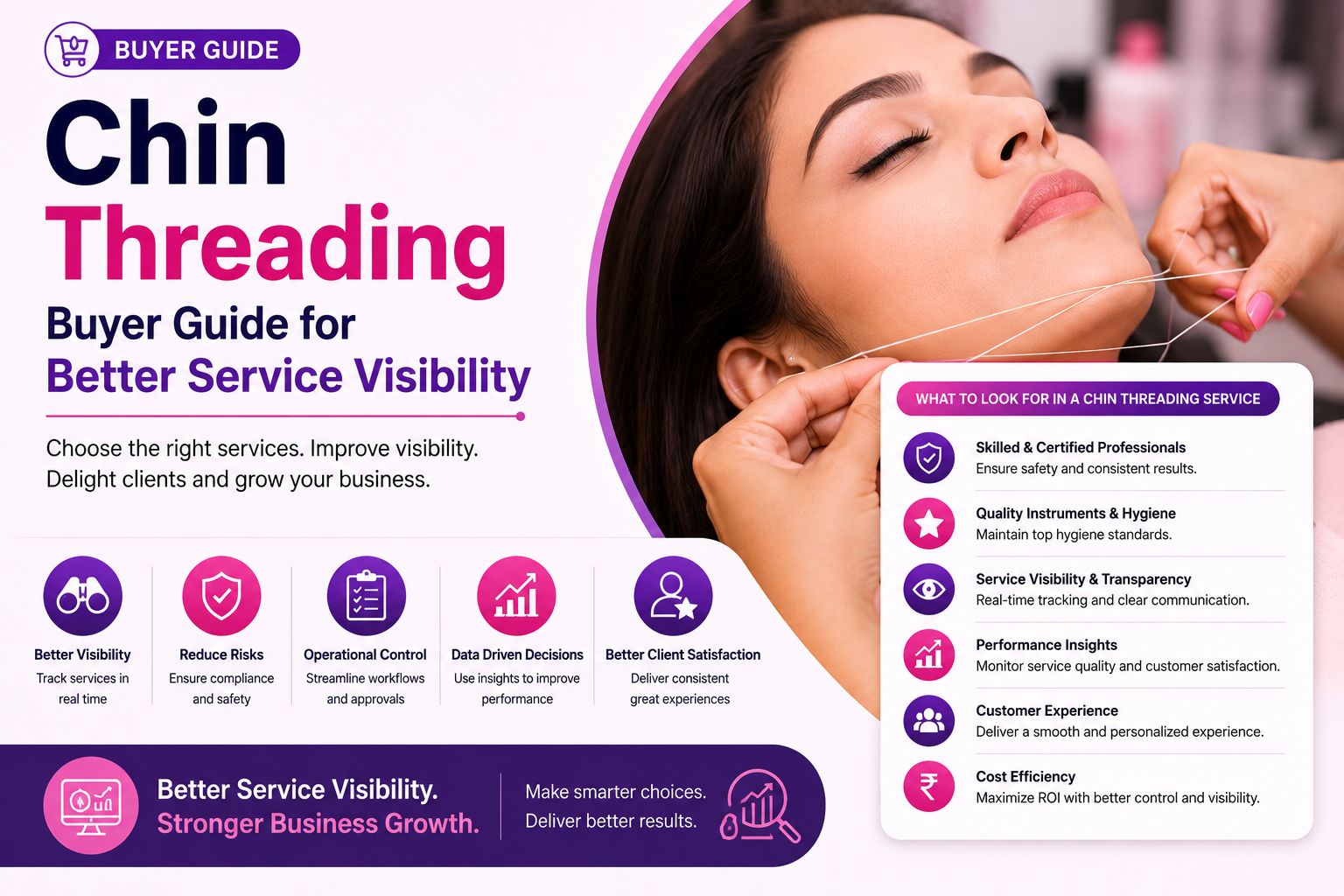
Chin threading often leaves customers uncertain about what visible results to expect after their salon visit. Many people notice that the smoothness they expected does not always match what they see in the mirror immediately after the service. The hair removal itself feels precise, yet the skin may appear red, bumpy, or irritated, creating confusion about whether the threading worked well or something went wrong. This uncertainty around service visibility makes it difficult to judge the quality of the threading or to plan subsequent appointments with confidence — honestly, you start wondering if you picked the right place or if your skin is just being difficult. Understanding what visible outcomes are realistic and why initial reactions occur is essential for anyone considering chin threading, especially those with sensitive skin or a busy schedule leading up to events. ## What Visibility Concerns Usually Arise After Chin Threading The most common visibility concern after chin threading is unexpected redness and bumpiness on the treated area. Customers frequently expect a clean, smooth finish immediately, but instead notice small raised bumps or patchy redness that makes the skin look reactive rather than refined. This reaction often leads to worry about infection, poor technique, or an allergic reaction to any product used before or after the threading. I mean, who hasn’t sat there thinking, “Did she use something wrong on my face?” In many cases, clients check their chin repeatedly throughout the day, hoping the irritation subsides quickly, which creates unnecessary anxiety about the service outcome. Observing this reaction in real salon experiences shows that even experienced customers can feel uncertain when their skin does not settle within the first few hours. The visibility concern is not just about how the skin looks immediately, but also about whether the threading has effectively removed all unwanted hair without visible leftover stubble or uneven patches. This initial confusion often drives customers to search for explanations and reassurance about normal post-threading skin behavior. ## Why Chin Threading Visibility Depends on Skin and Technique Chin threading visibility does not depend solely on the removal technique but heavily on individual skin characteristics and the condition of the hair follicles. On Indian skin types, which are often more prone to sensitivity and pigmentation, the skin's reaction to friction and hair removal can be more pronounced. Factors such as skin thickness, oiliness, and previous exposure to chemical products can influence how visible the redness or bumps become after threading. Salon observation frequently reveals that clients who have recently used exfoliating creams or retinol serums experience more intense and longer-lasting irritation after chin threading. Similarly, the skill and speed of the beautician affect visibility; faster, more confident threading typically causes less trauma to the skin surface, resulting in reduced redness and quicker recovery. Hair thickness and root depth also play a role. Coarser, deeper follicles require more force to remove, which can leave the skin looking more reactive. Understanding these dependencies helps customers set realistic expectations about how their chin will look immediately after threading versus after a few hours or the next day. The key insight is that visibility varies naturally, and a reaction that seems concerning may actually be completely normal — even if it doesn't feel that way when you're staring in the bathroom mirror. ## Common Mistakes That Affect Chin Threading Visibility One frequent mistake customers make is assuming that immediate smoothness after threading means perfect service, while any visible redness or bumps indicate a problem. This assumption overlooks the fact that mild irritation is a standard physiological response to hair removal, especially on the chin area where the skin is thinner and more sensitive than elsewhere on the face. Another blind spot is ignoring the role of aftercare. Many customers apply heavy creams or makeup immediately after threading, thinking it will soothe the skin, but such products can clog freshly opened follicles and worsen bumps or cause breakouts. Salon professionals often observe that clients who avoid touching the area, skip makeup for a few hours, and use only gentle soothing gels experience faster normalization of the skin's appearance. Another overlooked condition is pre-existing skin sensitivity that customers may not disclose to the beautician. People with conditions like rosacea, eczema, or even mild acne often react more visibly to threading, yet they may not mention it because they assume threading is safe for all skin types — I've done that myself, thought “it's just threading, how bad can it get?” This lack of communication leads to dissatisfaction when the visibility does not match expectations. Recognizing these blind spots helps customers adjust their behavior and expectations, reducing disappointment and improving the overall service experience. ## How to Make Better Decisions About Chin Threading Timing and Care Deciding when to schedule chin threading requires careful consideration of upcoming events and personal skin recovery patterns. For those planning to attend weddings, parties, or important meetings, scheduling threading at least two to three days before the event allows sufficient time for any redness or bumps to subside completely. This timing boundary is frequently overlooked, especially by bridal clients who want everything done at the last minute. In many salon scenarios, customers who book threading just hours before a major occasion end up covering reactive skin with heavy makeup, which can worsen irritation and reduce the visibility of the threading results themselves. When redness persists beyond 24 hours or is accompanied by pain, swelling, or pus, it is wise to seek professional reassessment rather than repeating threading or trying home remedies. For those who experience excessive visibility concerns repeatedly, considering alternative methods like facial waxing or depilatory creams specifically formulated for sensitive skin may be appropriate. However, the most effective decision-making involves maintaining a consistent aftercare routine that includes gentle cleansing, moisturizing with non-comedogenic products, and avoiding sun exposure immediately after treatment. Many customers find that using parlourtime to check salon reviews and service timing helps them choose experienced professionals who prioritize minimal skin trauma — honestly, reading a few reviews beforehand saves so much regret. The decision ultimately comes down to understanding your skin's unique tolerance and planning threading sessions with realistic expectations about what visibility truly means after a professional hair removal service. ## Frequently Asked Questions - q How long does chin redness last after threading? a Chin redness typically subsides within 30 minutes to a few hours, but sensitive skin may experience visible irritation for up to 24 hours. - q Can threading cause permanent visibility marks on the chin? a Permanent marks are rare, but excessive force, improper technique, or pre-existing skin conditions can lead to temporary pigmentation changes. - q Why do bumps appear on the chin after threading? a Bumps are commonly caused by follicle irritation or clogged pores from using heavy products soon after the service. - q Is it safe to apply makeup immediately after chin threading? a It is better to wait at least 6 to 12 hours before applying makeup to allow the skin to settle and avoid clogging open follicles. - q How can I reduce visibility issues before an event? a Schedule threading two to three days before the event and follow a gentle aftercare routine that avoids harsh products or sun exposure. - q Does the beautician's experience affect visibility results? a Yes, experienced beauticians use faster, more precise movements that reduce skin trauma and lead to less visible irritation. - q Can pre-existing skin conditions worsen chin threading visibility? a Yes, conditions like rosacea, acne, or eczema can make the skin more reactive, leading to prolonged redness and bumps. - q When should I consider alternatives to chin threading? a Consider alternatives if you consistently experience prolonged irritation, pain, or unsatisfactory visibility despite proper aftercare and salon selection.

Join Us!

Earn Upto ₹70,000/Month! Become a Parlourtime Partner.

Get it on Google PlayDownload on the App Store
Page 1 of 261
WhatsAppInstant beauty support