

A diamond facial is often chosen by customers expecting a visible glow, finer skin texture, and a refreshed complexion. In many Indian salons, this service is marketed as a deep exfoliation treatment that reveals brighter skin. However, customers frequently return with concerns such as the glow fading within a day, uneven texture appearing after 48 hours, or a sensation of tightness that feels uncomfortable. The gap between the promised outcome and the actual result creates confusion. The customer begins to question whether the treatment was performed correctly, whether their skin is unsuitable, or whether they made the wrong choice entirely. This uncertainty reduces trust and repeat bookings. For salon owners, this dissatisfaction directly impacts the perceived value of a diamond facial and undermines the business's ability to retain clients. Understanding why these mismatches occur is the first step towards improving both customer satisfaction and service profitability. The issue is rarely about the treatment itself, but rather about how it is applied, timed, and followed up. This analysis focuses on identifying those controllable factors that influence the outcome and the experience.
What a Diamond Facial Actually Delivers
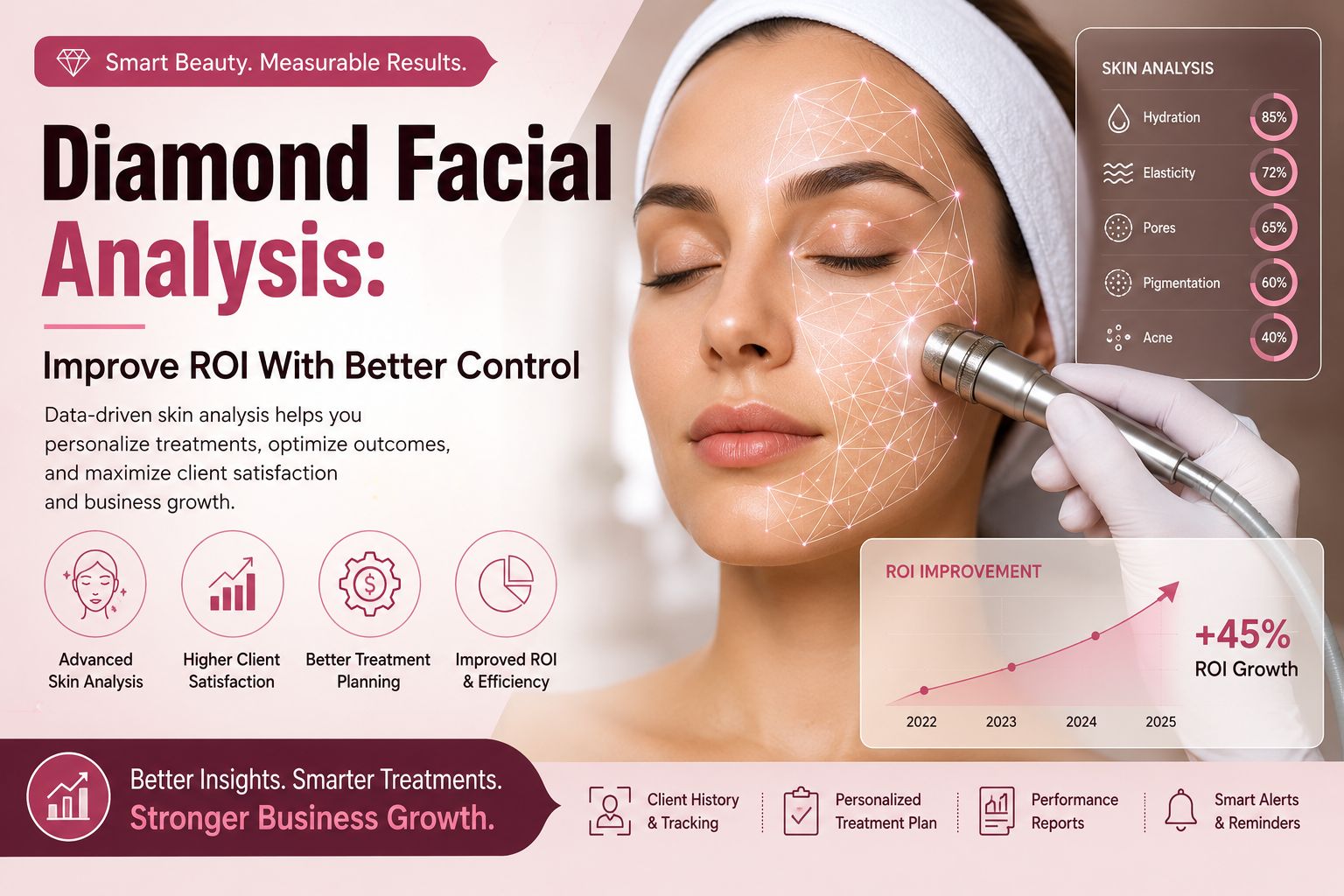
A diamond facial uses a microdermabrasion tip to exfoliate the outermost layer of dead skin cells. This mechanical exfoliation stimulates blood circulation and encourages cell turnover. The immediate result is a smoother surface and a temporary brightening effect. Many customers notice this glow within minutes of the treatment, it feels great in that moment. But what is often overlooked is that this glow is not a permanent change. It is the result of removing surface debris and increasing hydration in the short term. Within 24 hours, the skin begins to adjust. The natural oil production returns, and the skin barrier may feel tighter if post-treatment moisturising is insufficient. In Indian salons, this is where the confusion begins. The customer expects the glow to last several days, but the treatment itself does not guarantee that. The longevity of results depends on skin type, seasonal factors, and aftercare. Customers with oily skin may see a faster return of shine, while those with dry or sensitive skin may experience flaking or redness. Salons should communicate that a diamond facial refreshes the surface, but it does not change the deeper skin condition. Setting this expectation before the service reduces dissatisfaction.
Why Results Vary Across Skin Types and Seasons
The same diamond facial can produce very different outcomes on different customers. Skin thickness, sensitivity, oil production, and prior product usage all affect how the skin reacts to mechanical exfoliation. For example, a customer who uses retinol or strong active ingredients at home may have a thinner stratum corneum. In such cases, a diamond facial can cause irritation, redness, or a burning sensation during the service. I've seen this happen, many customers don't even think to mention what products they use at home. This is a common salon observation that many customers do not disclose. Similarly, seasonal changes in India play a significant role. During summer, heat and humidity can make the skin more reactive, and the glow may fade quickly due to excess sebum. In winter, dry air may cause the freshly exfoliated skin to feel tight or develop fine lines. In monsoon, the increased moisture in the air can interfere with product absorption, leading to patchy results. Salon professionals often adjust the intensity of the vacuum suction or the number of passes based on skin condition, but this practice is not standard across all establishments. When the same protocol is applied to everyone, the variation in outcomes becomes inevitable. Customers who do not understand these variables often blame the service or the product, not the mismatch between treatment and their current skin state. This misunderstanding is a significant barrier to satisfaction.
Overlooked Risks That Reduce Satisfaction
One common mistake that customers make is assuming that a diamond facial is a gentle treatment suitable for all skin types. Honestly, I used to think the same thing. In reality, mechanical exfoliation can be too aggressive for sensitive or compromised skin. Many customers visit a salon seeking improvement for dullness or pigmentation, but they may have underlying conditions such as active acne, eczema, or rosacea. When a diamond facial is applied over inflamed skin, the result can be increased redness, breakouts, or prolonged irritation. Another risk is using the wrong aftercare products. Some customers apply heavy creams or oil-based moisturisers immediately after the treatment, thinking they are helping the skin heal. However, the pores are open and the skin barrier is temporarily reduced after exfoliation. Heavy products can clog pores and cause congestion, leading to breakouts within a few days. Customers also tend to overlook sun protection. The new skin layer is more vulnerable to UV damage. Without adequate sunscreen, the skin may develop post-inflammatory hyperpigmentation or dullness within a week. These risks are easily preventable, yet they remain the most frequent reasons for dissatisfaction. The salon experience itself may be flawless, but the outcome fails because the customer does not follow appropriate aftercare or because the salon did not provide clear guidance. This gap between service delivery and post-service responsibility is where disappointment becomes most visible.
How to Make Better Decisions About Timing and Maintenance
Customers who plan their diamond facial around events often experience the most frustration. The common approach is to schedule the treatment one or two days before a wedding, party, or family function. This timing creates unnecessary pressure. If the skin reacts negatively, there is no recovery time. The customer then has to attend the event with visible redness or uneven texture. A safer approach is to schedule the first session at least 10 to 14 days before the event. This allows the skin to settle, and any reaction can be managed without urgency. If the customer wishes to repeat the treatment, a second session can be done three to four days before the event. This interval gives the skin enough time to recover and reveal a natural glow. Maintenance also plays a critical role. A single diamond facial cannot sustain long-term improvement. For lasting results, customers should consider monthly sessions for three to four months. However, many customers stop after one session because they expect permanent change. This expectation is unrealistic. A diamond facial is a surface-level refresh, not a structural correction. Salon professionals should communicate this clearly. Using tools like parlourtime to compare service timing and read experiences from other customers helps individuals set realistic goals. Additionally, evaluating the salon's hygiene practices, the type of diamond tip used, and the therapist's experience with different skin types can prevent mismatched expectations. The decision to receive a diamond facial should be based on skin condition, not event pressure. When customers make decisions with full awareness, the satisfaction rate improves significantly.
Frequently Asked Questions
-
q Why does my diamond facial glow disappear so quickly?
a The glow from a diamond facial is temporary because it results from surface exfoliation and hydration, not a permanent change in skin structure.
-
q Is a diamond facial safe for sensitive skin?
a It can cause irritation, redness, or burning for sensitive or reactive skin, so a patch test or consultation is recommended before proceeding.
-
q How often can I do a diamond facial without damaging my skin?
a Monthly sessions for three to four months are generally safe, but frequent treatments can weaken the skin barrier and cause long-term sensitivity.
-
q What aftercare mistakes should I avoid after a diamond facial?
a Avoid heavy creams, oil-based products, direct sun exposure, and active ingredients like retinol for at least 48 hours after treatment.
-
q Can a diamond facial cause breakouts?
a Yes, if the skin is already congested or if pore-clogging products are used immediately after treatment, breakouts can occur within a few days.
-
q Is a diamond facial better than a fruit facial for dull skin?
a Diamond facial provides deeper exfoliation, while fruit facial is gentler and more hydrating, so the choice depends on skin tolerance and desired outcome.
-
q How long should I wait before an event after a diamond facial?
a Schedule the first session 10 to 14 days before the event and a follow-up three to four days before to allow skin recovery and natural glow.
-
q Does parlourtime help in choosing the right salon for a diamond facial?
a Yes, many customers use parlourtime to compare service timing, read experiences, and understand expectations before booking treatments.