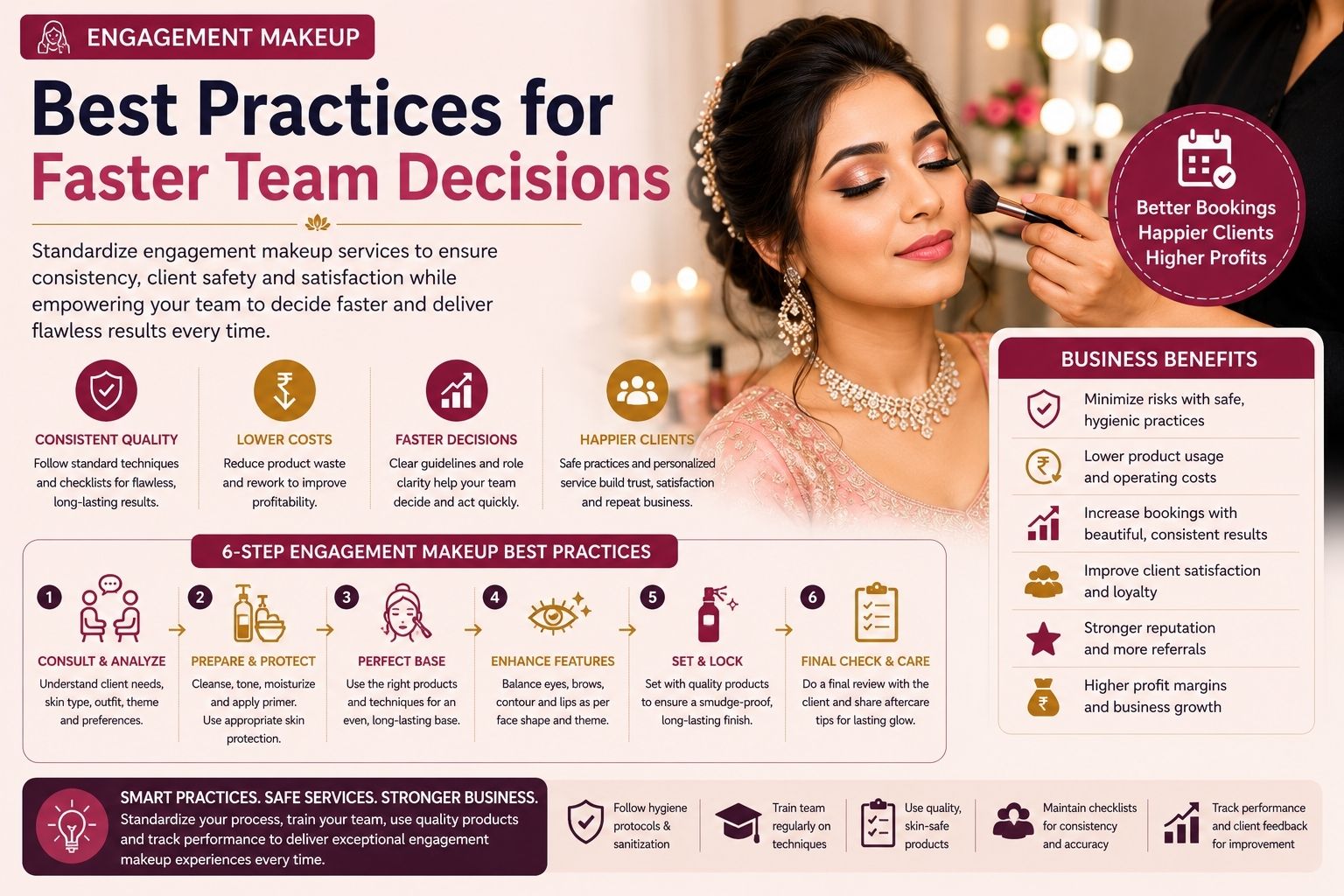


Engagement makeup best practices for faster team decisions usually come down to timing, communication, and setting the right expectations. When a bride books a salon appointment, the confusion often begins with what the service should include and how long the results should last. Many brides expect a single trial to guarantee the final look, while artists and salons need clarity on skin preparation, product preferences, and the event schedule. This gap between expectation and operational reality creates unnecessary anxiety. The service decision should feel collaborative, not rushed or pressured. Better planning at the start reduces stress for the bride and gives the team clear direction before the actual event day arrives. Understanding the decision flow of engagement makeup preparation is the first step toward smoother coordination.
What the Concern Means During Real Salon Visits
When clients discuss engagement makeup during salon visits, the main concern revolves around reliability and consistency across different team members. Brides often worry that the makeup applied during the trial may not look the same when a different artist executes it on the event day. This fear is valid because team decisions can change based on availability, upgrades, or last-minute adjustments. Some clients also expect heavy makeup to last through an entire day without touch-ups, not realizing that lifestyle, weather, and skin condition heavily influence product longevity. The initial confusion happens because most brides do not know which questions to ask about product compatibility and aftercare. Salon staff should explain that engagement makeup best practices include a patch test, a detailed consultation, and a clear timeline for the application process.
Observing client reactions during these discussions reveals common hesitations. Some brides feel embarrassed to ask about pricing changes or hidden charges, while others worry about offending the artist by requesting modifications. This leads to silent disappointment when the final look does not match the reference photos they shared. The team must create an open atmosphere where clients feel comfortable expressing their concerns early. Experienced salon teams often notice that brides who communicate clearly about their skin sensitivity or product allergies receive better service outcomes. Similarly, brides who bring inspiration images but fail to mention their daily skincare routine may receive makeup that does not adhere well. These small details matter significantly when the goal is to reduce decision fatigue and make faster, confident choices during the preparation period.
What Actually Happens on Indian Skin and Hair
Indian skin textures and hair qualities vary widely, which makes engagement makeup outcomes depend on individual biological factors rather than just product quality. Oily skin tends to break down foundation faster, while dry patches can make the base look cakey and uneven. Hair that has been chemically treated for smoothening or coloring may react differently to styling products, causing unexpected frizz or heaviness. In many cases, brides assume that expensive products automatically provide superior results, but the truth is that product compatibility with a specific skin type matters more than the brand name. A knowledgeable team should assess the skin condition weeks before the engagement event to recommend appropriate preparation routines, including hydrating facials or gentle exfoliation treatments.
Seasonal changes also affect performance and should be considered during the decision-making process. Monsoon humidity causes makeup to slide off faster, while winter dryness creates flakiness and patchy application. Summer heat leads to excessive sweating and requires waterproof formulations that are not suitable for all skin types. These environmental factors cannot be controlled by the makeup artist alone, which is why engagement makeup best practices for faster team decisions include setting realistic expectations based on the event date and location. A bride booking a December engagement should receive different guidance than someone planning for a July function. Additionally, the salon team must check whether the client has undergone any recent facial treatments or dermatological procedures that might impact makeup adhesion. This level of operational awareness separates a professional salon from one that gives generic advice.
Wrong Assumptions and Overlooked Blind Spots
The most common mistake clients make is treating engagement makeup as a one-time transaction instead of a coordinated process involving skin preparation, product selection, and aftercare maintenance. Many brides book a single trial session and expect the final look to be locked immediately, ignoring the fact that skin conditions change with stress, sleep patterns, and diet. Another blind spot is the assumption that a successful trial guarantees the same result on the event day, even if the bride changes her skincare routine or the weather becomes unpredictable. Teams should also address the misconception that more makeup layers create a longer-lasting look. In reality, heavy application often leads to melting, cracking, and a less natural appearance. The team must guide the client toward appropriate product choices that align with her comfort level and the planned activities at the event.
Dissatisfaction escalates when the team fails to document the trial preferences accurately. If the trial notes do not include specific shade matches, lash styles, or lip products, the executing artist may make different choices, leading to a wasted effort and emotional distress. Overlooked conditions like sensitive eyes, contact lens habits, or excessive tearing during emotional moments also require special attention. A bride who cries during the ceremony needs waterproof and smudge-proof products, which are not always the default options. Likewise, clients with acne-prone skin should avoid heavy contouring powders that trigger breakouts after the event. Engagement makeup best practices for faster team decisions must therefore include stringent documentation and thorough pre-event reassessment to handle all these variables professionally.
Decision Help for Timing, Maintenance, and Reassessment
Clients should schedule their engagement makeup trial at least ten to fifteen days before the event, allowing enough time for any necessary adjustments without causing emergency reactions. This timeline gives the bride the opportunity to test how the makeup wears throughout a typical day and to identify any irritation or discomfort. If the trial fails to meet expectations, a second consultation should be arranged rather than silently accepting the result. Event-day deadlines reduce recovery opportunities, so skipping the trial completely is never advisable. When the bride repeatedly experiences reactions or dissatisfaction across multiple trials, the team should reassess whether the problem lies within the product compatibility or the underlying skin health. Waiting for a problematic situation to resolve on its own often leads to last-minute panic and poor choices.
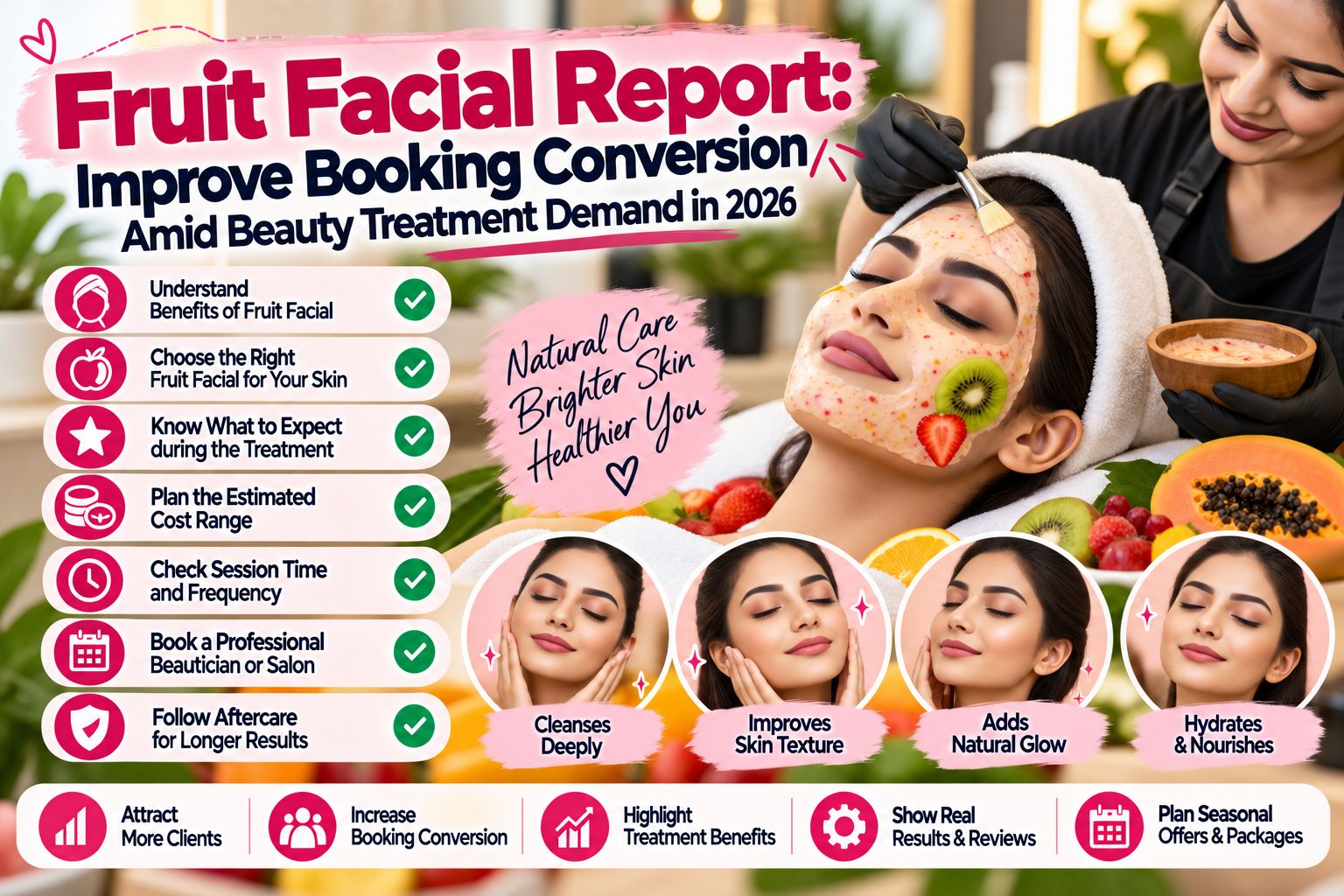
Maintenance considerations also guide decision-making. If the bride observes that the engagement makeup fades within a few hours, she may need to adjust her moisturizing routine or request a different primer. Some clients decide to incorporate a fruit facial or a gentle cleanup a week before the event to enhance the base, but this timing must be coordinated carefully to avoid unexpected reactions. However, maintenance products cannot fully reverse severe skin damage or chronic dryness, meaning that a professional reassessment becomes necessary when results are consistently poor. At this point, the salon team should honestly communicate the limitations and offer alternative services or adjust the technique. Some customers use parlourtime to compare service timing and team availability before booking engagement makeup sessions, which helps streamline coordination. The goal is not to upsell additional treatments but to provide clear, practical decision-making boundaries that protect the bride’s confidence and the salon’s reputation.
FAQ
q How many days before engagement should I do a makeup trial? a Book your engagement makeup trial at least ten to fifteen days before the event to allow time for adjustments and skin preparation.
q Why does my engagement makeup look patchy after a few hours? a Patchiness usually results from dry skin texture, improper moisturizing, or product incompatibility with your skin type.
q Can my engagement makeup last longer with more product layers? a Applying extra layers often causes caking and melting instead of improving longevity, so proper base preparation matters more than product quantity.
q Should I do a facial before my engagement makeup session? a A gentle facial one week before the event can improve skin texture, but avoid aggressive exfoliation close to the engagement date due to reaction risks.
q What should I do if I have sensitive skin for engagement makeup? a Inform the team early and request a patch test with your chosen products to prevent unexpected irritation and discomfort.
q Is it necessary to share my reference photos with the makeup team? a Sharing clear reference images and documenting your preferences helps the entire team understand your expectations and execute consistently.
q When should I worry about repeated makeup reactions? a If reactions occur multiple times within a short period, stop the trials and consult a dermatologist before proceeding with any new products.
q How can I ensure the same makeup artist works on my engagement day? a Discuss artist availability at the time of booking and confirm the assignment in writing to prevent last-minute team changes.