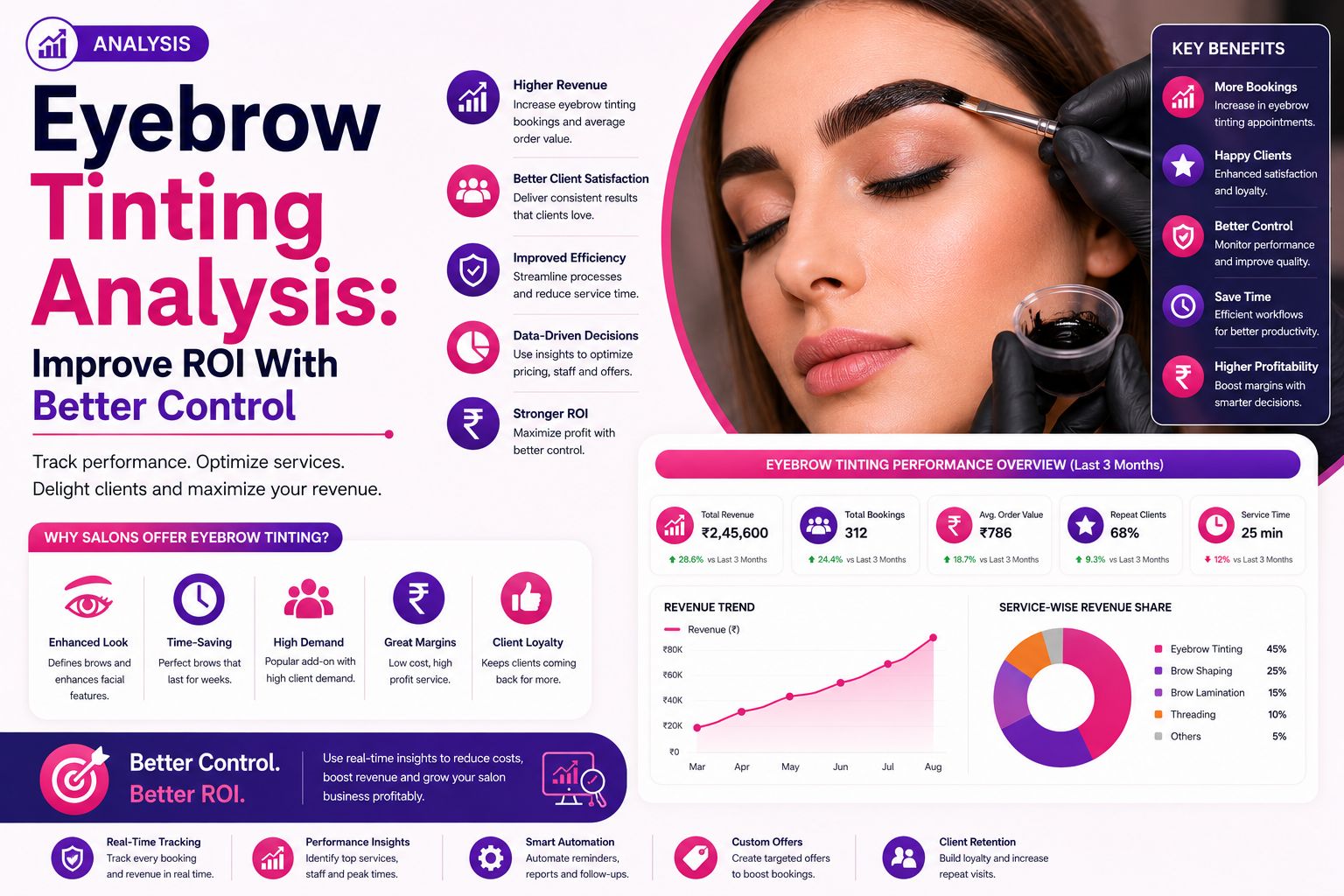


Eyebrow tinting analysis from a salon perspective... it often reveals this gap between service delivery and what the customer actually feels. The procedure looks straightforward, I get that. But the return on investment for both the salon and the client? That depends on control factors nobody talks about. Clients keep reporting uneven tinting, fast fading, or colour shifts that surprise them days after the appointment. This creates dissatisfaction, obviously, and reduces the chance they'll book again. What I've realised is that eyebrow tinting outcomes rely on more than just the technician's hand – that's the first thing to understand if we want consistent results and better ROI through actual control.
What Eyebrow Tinting Control Actually Means in a Salon
In a salon, control over eyebrow tinting... it starts long before the pigment touches the skin. Honestly, it begins with an honest assessment of the client's natural brow condition, skin type, and what they're actually expecting. So many customers arrive thinking tinting will be this permanent solution, not just a temporary thing that needs upkeep. The first red flag for poor control? When the technician doesn't discuss how skin oiliness, previous chemical treatments, or even medications can affect pigment absorption. I've noticed that tint fades unevenly on oily skin, or colour looks way harsher on fair brows – and nobody explains why. This confusion comes from missing information about how long the tint stays and what makes it fade faster. Without clear communication, the whole service feels unpredictable. The client leaves uncertain about what they actually paid for, honestly.
Why Eyebrow Tinting Results Vary Across Clients
The reality is that eyebrow tinting results are not guaranteed to be uniform across every client. Indian skin types, in particular, they present such a wide range of conditions that affect how tint reacts. Oily skin around the brow area? That can cause pigment to break down faster, so you see visible fading within days instead of weeks. Clients with very sparse brows might find the tint looks patchy because pigment adheres differently to hair and skin. Things like humidity, frequent face washing, strong cleansers – all of these accelerate fading. The technician's choice of tint brand and how long they leave it on also matters. What I've seen in salons is that two clients getting the same service can walk out with completely different results. This variability isn't necessarily poor work, it's more about individual skin chemistry and aftercare habits. But when technicians don't predict or explain this, dissatisfaction happens fast.
Common Blind Spots That Hurt Eyebrow Tinting ROI
One big mistake in eyebrow tinting services is assuming more pigment means longer-lasting colour. Some clients ask for a darker shade hoping it stays visible for weeks, but honestly, this often leads to unnatural brows and uneven fading. Another risk people overlook? The condition of the brow area before tinting. Clients who've recently used retinoids, acids, or strong exfoliants around the forehead – they often experience rapid fading or even skin irritation. That burning sensation or temporary redness afterwards? Rarely discussed beforehand. Many customers think a successful tint should last until their next appointment, but they don't realise everyday stuff like swimming, sweating, or using oil-based makeup removers directly shortens the tint lifespan. These blind spots create a gap between what the salon delivers and what the client expects. The result is a disappointed customer who may blame the salon for something partly preventable with better guidance.
How to Take Control of Eyebrow Tinting Decisions
Improving ROI from eyebrow tinting services means shifting from a reactive to a proactive approach. Salons and customers both benefit when decision-making includes honest discussions about timing and maintenance. Clients often ask how soon they can tint before an event. The answer depends on skin sensitivity and past reactions. For sensitive skin, waiting at least five days before a major event lets any redness settle. Another thing to consider is whether the client has been using active skincare ingredients. Retinoids or acids? The skin may not hold the tint well, so scheduling after a break from those products can improve results. When the client expects longer results, introducing them to proper aftercare products becomes necessary. Parlourtime discussions often highlight that maintenance expectations influence satisfaction more than the treatment itself. Some salon faqs point out that brow tinting requires periodic touch-ups, not one-time perfection. For customers who feel the tint vanished too quickly, evaluating their home routine is more useful than repeating the same service. Realistic expectations combined with proper control measures – that leads to higher satisfaction and better return on investment for everyone.
Frequently Asked Questions About Eyebrow Tinting
- q How long does eyebrow tinting usually last?
- a Eyebrow tinting typically lasts between one to three weeks depending on skin type, aftercare habits, and the specific tint product used.
- q Why does eyebrow tint fade faster on my brows?
- a Oily skin, frequent face washing, and the use of oil-based makeup removers or strong cleansers often accelerate the fading process.
- q Can eyebrow tinting cause skin irritation?
- a Some clients experience temporary redness or a burning sensation, especially if they have sensitive skin or have used exfoliating products near the brow area.
- q How soon before an event should I get eyebrow tinting done?
- a It is advisable to get tinting at least five to seven days before a major event to allow any minor irritation to settle and to ensure the colour settles naturally.
- q Does tinting work on very sparse or thin eyebrows?
- a Tint adheres to both hair and skin, but results on sparse brows may appear patchy or less defined compared to brows with more natural hair.
- q Can I use skincare products after eyebrow tinting?
- a It is best to avoid strong cleansers, exfoliants, and oil-based products around the brow area for at least 48 hours after tinting to prevent premature fading.
- q What should I do if the tint colour looks too dark initially?
- a The tint often appears darker immediately after application and softens within 24 to 48 hours as the pigment oxidises and settles on the skin.
- q When should I consider not getting an eyebrow tint?
- a If you have active skin infections, eczema, or open wounds near the brow area, or if you have reacted strongly to tint in the past, it is better to wait or consult a professional.