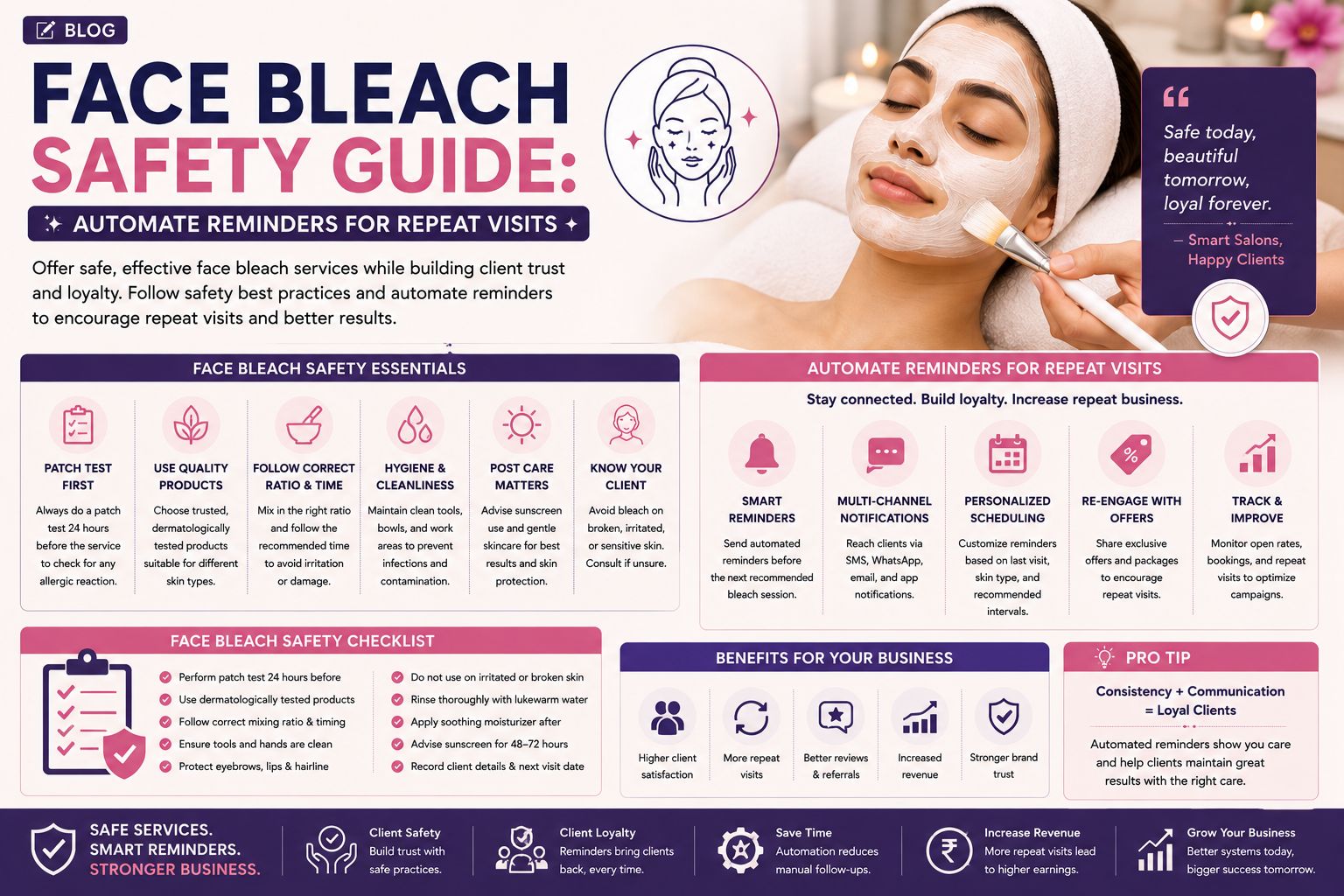


Face bleach treatments remain a common choice for Indian skin, especially before weddings and festivals. Many clients, however, experience unexpected redness, itching, or uneven lightening after their session. This creates genuine confusion about whether the service is safe to repeat. The discomfort often appears hours after leaving the salon, which makes it difficult to connect the reaction to the treatment. Clients frequently search for face bleach safety guidance only after noticing these delayed effects. The core issue is not just the service itself but the uncertainty surrounding how frequently it should be done. A structured approach to scheduling repeat visits can reduce this anxiety, though honestly it takes some trial and error to figure out what works for your own skin.
Understanding the Real Concern Behind Face Bleach Appointments
When a client books a face bleach session, the immediate expectation is a brighter, smoother complexion without side effects. The first noticeable signal that something might be wrong is usually a mild burning sensation during application or slight redness after rinsing. Many salon visitors interpret this as the product working, while others panic and assume an allergic reaction. This mixed interpretation creates hesitation about returning for the next session. The confusion becomes more serious when clients notice patchiness or increased sensitivity in the days following the service. They start questioning whether the bleach formula suits their skin type at all, and honestly, that doubt lingers in the back of your mind even after the redness fades.
Face bleach safety concerns often surface during the maintenance phase rather than during the service itself. Clients who experience a good initial glow may still develop dryness or small bumps later. This delayed reaction makes it difficult to blame the salon or the product directly. The skin's barrier may already be compromised from previous treatments, sun exposure, or harsh skincare routines. Without a proper consultation, the client assumes the bleach is too strong for them. This leads to unnecessary discontinuation of a service that could be managed safely with adjusted frequency and better aftercare, but only if someone actually takes the time to explain this properly.
Why Results Vary on Indian Skin and What Actually Determines Safety
Indian skin types differ significantly in tolerance, melanin response, and sensitivity levels. A face bleach session that works perfectly for one client may cause irritation for another with a similar complexion. The determining factors include recent exfoliation, use of active skincare ingredients like retinol, and the natural thickness of the stratum corneum. Clients with a history of frequent salon facials may have higher tolerance, while those using home scrubs aggressively may face higher risks. It's honestly a bit of a gamble sometimes, even when you think you've figured out your skin's pattern.
The safety of repeat visits depends largely on the recovery capacity of the skin between sessions. If the client returns too soon, the cumulative effect of bleaching agents can lead to thinning of the skin barrier. Common observations in salons include clients who complain that every facial service feels more sensitive after regular bleaching. This is not necessarily a product failure. It is often a timing issue where the skin has not fully rebuilt its protective layer. The realistic approach for face bleach safety is to evaluate the skin's condition before every appointment rather than assuming a fixed schedule works forever, because what worked three months ago might not work now.
Overlooked Risks and Misconceptions That Increase Discomfort
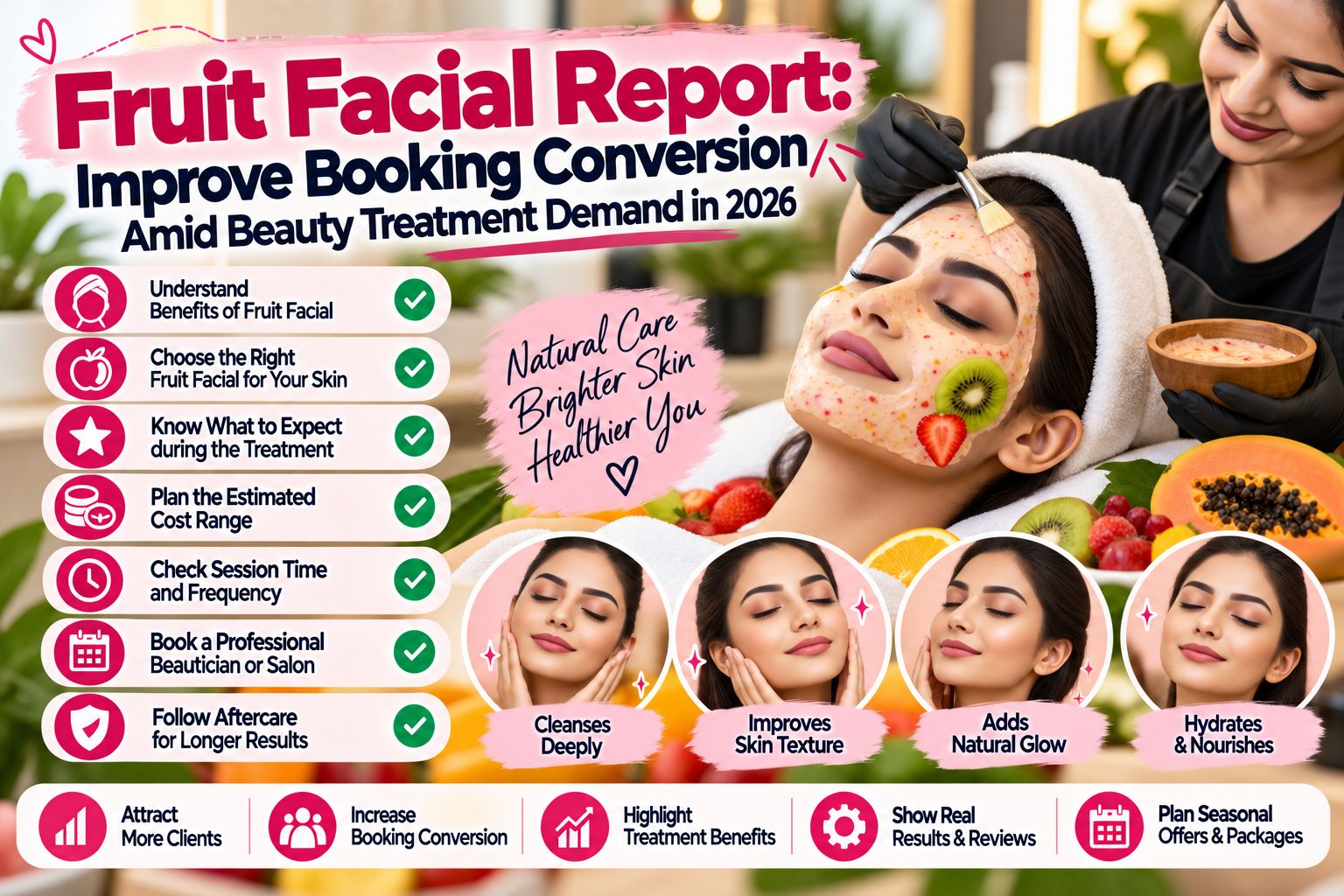
Many clients believe that using a milder bleach or a higher grade product automatically improves face bleach safety. This assumption can be misleading because the reaction depends more on skin condition than product strength. Another common blind spot is the interaction between bleach and subsequent salon treatments. Clients often book a fruit facial or cleanup shortly after bleaching, thinking it will enhance the glow. This combination can overload the skin with active ingredients and exfoliants, leading to inflammation and prolonged redness. The salon experience shows that spacing out chemical services is more beneficial than stacking them together, though it's tempting to want everything done at once before an event.
The dissatisfaction escalates when clients ignore early warning signs and continue with routine appointments. A temporary burning sensation might be normal, but persistent itching or peeling is a signal that the skin needs a longer break. Another misconception is that a patch test done once ensures lifetime safety. Skin reactivity changes with hormonal cycles, seasonal shifts, and product usage patterns. A product that was safe in winter may cause problems during humid monsoon months. The overlooked detail in repeat visits is the need for a fresh assessment of skin sensitivity each time before the bleach is applied, not just assuming last time was fine so this time will be too.
Making the Right Decision on Scheduling and Maintenance
Deciding when to return for another face bleach session requires evaluating the previous experience, not just following a calendar. If the last session caused visible irritation for more than a day, the gap before the next appointment should be extended. Clients preparing for bridal events or festivals should schedule their final bleach session at least one week before the main event. This buffer period allows any residual redness or patchiness to settle naturally. For regular maintenance, a general interval of three to four weeks works for many clients, but sensitivity levels must always take priority over convenience, especially when you have an important function coming up.
When maintenance becomes difficult despite good salon practices, clients should consider whether the bleach frequency is the actual problem. Sensitive skin that reacts to every session may require alternative brightening treatments like a gentle cleanup or a hydrating fruit facial instead. Parlourtime discussions often highlight that maintenance expectations influence satisfaction more than the treatment itself. This means the decision boundary is clear: if the skin reacts consistently, the frequency must change even if the product seems fine. Professional reassessment becomes necessary when reactions worsen, last longer, or spread beyond the treated area. Searching through beauty service resources or reviewing salon FAQs can provide additional clarity on safe intervals, though nothing beats actually speaking to someone who has seen your skin react.
Frequently Asked Questions
q How often can I safely get a face bleach treatment?
a Most salons recommend a gap of three to four weeks between sessions, but sensitive skin may require a longer recovery period.
q Is it normal to feel burning during a face bleach service?
a A mild tingling sensation can occur, but strong burning or sharp pain indicates that the product should be removed immediately.
q Can I do a facial right after a face bleach session?
a It is safer to wait at least a few days before any additional facial service to avoid overwhelming the skin with active ingredients.
q What should I do if my face becomes red after bleaching?
a Apply a soothing moisturizer and avoid harsh scrubs or sunlight for the next 24 hours while the skin calms down.
q Does a patch test guarantee that my face will react the same way every time?
a No, skin reactivity changes with hormonal cycles, weather conditions, and your current skincare routine.
q Why does my face feel itchy a few days after the bleach treatment?
a Itching often indicates dryness or a compromised skin barrier that needs extra hydration and a longer break before the next service.
q Can automated reminders help me manage my face bleach schedule?
a Yes, setting up reminders helps you space out visits appropriately and prevents repeated exposure before the skin fully recovers.
q When should I stop getting face bleach treatments altogether?
a If reactions become severe, last longer each time, or cause persistent sensitivity, consult a professional and consider alternative brightening treatments.