

Many customers find the process of booking a foot massage more stressful than relaxing, mostly because they are unsure which service type actually suits their needs. The primary concern is usually foot massage service visibility, as online menus often use vague terms like "reflexology" or "therapy" without explaining what will happen during the session. When you arrive, the experience can feel completely different from what you expected, which creates immediate dissatisfaction. The problem is not always the service quality itself but the gap between what is advertised and what is delivered. Customers often report confusion about pressure levels, session duration, and whether oils or creams are involved. This guide helps you understand what to look for before you book, so you can avoid the common disappointment that follows unclear service descriptions and mismatched expectations.
What Customers Actually Notice First
The first signal of trouble often appears when you compare the online listing to the actual consultation before your session. Many customers notice that the service description omits crucial details like whether the massage targets specific pressure points or simply focuses on general relaxation. A major source of confusion arises from a lack of clarity about what the massage includes, so you discover midway through that you did not receive the deep-tissue work you wanted. This mismatch creates a trust deficit, making you wonder whether the salon prioritizes upselling over genuine care. The most common observation is that the initial foot bath feels pleasant, but the actual massage technique may not align with your stated preference for firm or gentle pressure. Since the service lacks visibility, you cannot accurately predict the outcome, which leaves satisfaction largely to chance.
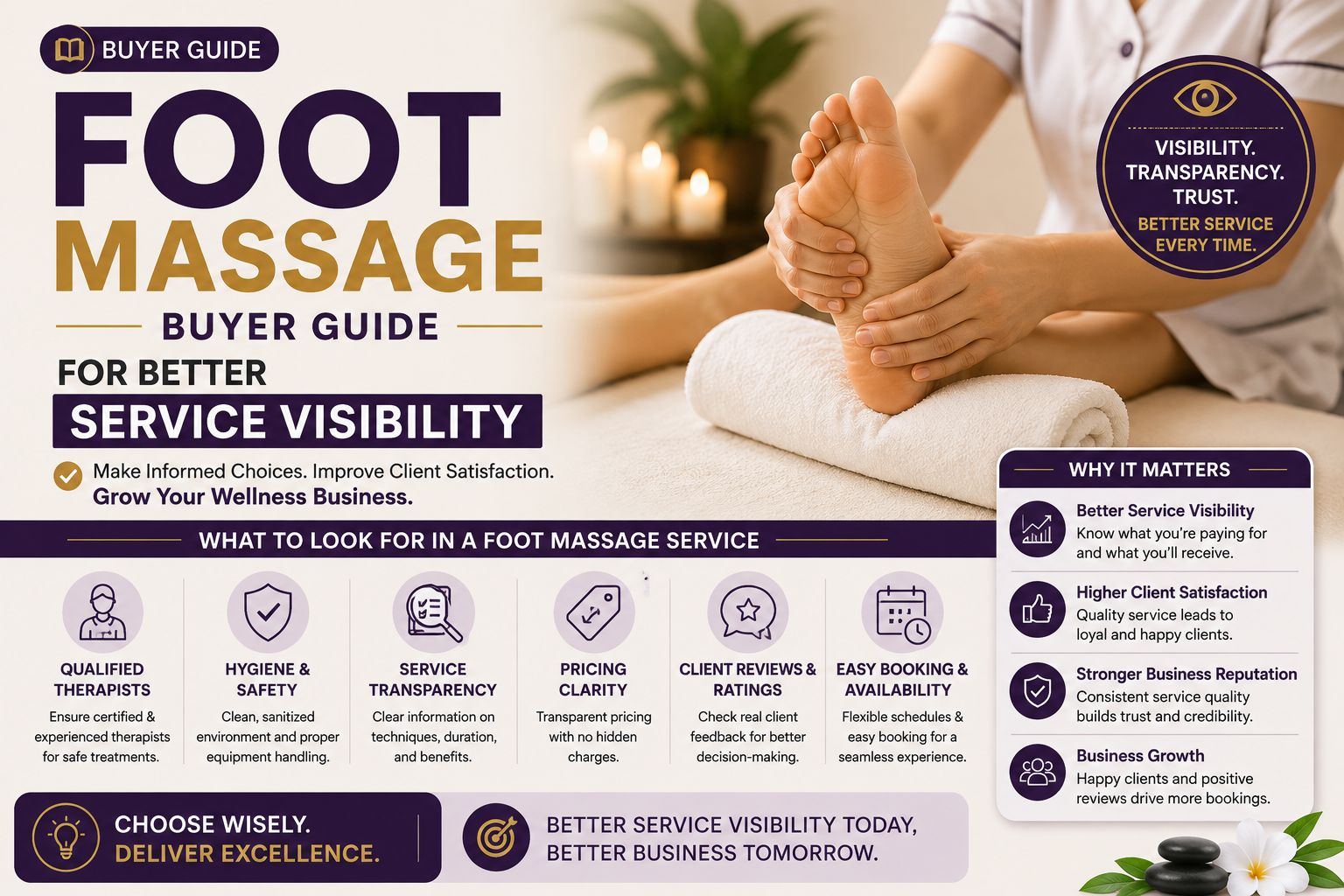
To improve your chances of a good experience, you should ask direct questions before booking. Inquire about the specific techniques they plan to use, the type of pressure you can expect, and how long the focus will be on problem areas like heels or arches. Many customers overlook asking about hygiene practices, which is a critical factor that affects both comfort and safety. This careful inquiry helps you confirm that the service matches its description, creating a clearer path toward satisfaction. The result is that you can move forward with confidence rather than anxiety, and you reduce the chance of leaving the salon feeling that the session was a waste of time and money.
Why Results Vary on Different Feet
Foot massage outcomes vary significantly based on your foot's condition, your daily activity level, and whether you have specific issues like plantar fasciitis or general fatigue. A person who stands all day at work will need a different approach than someone who sits for long hours, yet many services apply a standard routine that ignores these distinctions. This reality check is essential because it explains why your friend raved about a service that left you feeling underwhelmed. The effectiveness of the massage also depends on your pain tolerance and whether you communicate your comfort level during the session. Another factor is the skill of the therapist, as experienced hands can identify tension points that a newer practitioner might miss. Foot massage service visibility improves when you understand that your personal biology and lifestyle play a larger role in the outcome than the salon's reputation alone.
The pressure applied during a foot massage is often the single most important variable in determining satisfaction. While one customer may find deep pressure relieving, another may find it painful and counterproductive. Skin sensitivity also matters, as some people have conditions like neuropathy or poor circulation that change how a massage should be delivered. Observational experience shows that customers who communicate their preferences before the session starts are significantly more likely to report positive results. You should never assume the therapist knows what you want without being told. A good session involves a dialogue, not just a silent treatment, and this interaction is what bridges the gap between a generic service and a personalized one. Understand your own needs first, and then you will be better prepared to evaluate the service you receive.
Assumptions and Overlooked Conditions
A common mistake is assuming that a more expensive service guarantees better results, which is a misconception that often leads to financial regret. High cost does not automatically translate to superior technique or better hygiene, as pricing often reflects the salon's location and overheads rather than the therapist's expertise. Another mistaken assumption is that any foot massage will relieve ankle or heel pain, but if you have an underlying structural problem, a massage may only provide temporary relief and could even aggravate the issue. Overlooked conditions like fungal infections, open wounds, or severe varicose veins require medical attention, not a massage, and proceeding without caution can worsen your health. Many customers are also blind to the importance of aftercare, as they immediately resume normal activity and wonder why the relaxation does not last. The foot's recovery process is ignored, leading to a cycle of repeat visits without lasting improvement.
This dissatisfaction escalates when you continue to rebook the same service without discussing your concerns with the salon. If you feel the pressure was too weak or the technique was wrong, you must say so during the session instead of staying silent. The boundary between a maintenance service and a corrective treatment is often unclear in marketing materials, which creates a false expectation. For example, a relaxing massage will not solve chronic plantar fasciitis, so you cannot hold the salon responsible for failing to fix it. These missed signals create a growing disconnect between your actual needs and what the salon is providing. Recognizing these boundaries helps you use salons appropriately and prevents you from expecting outcomes that are beyond the scope of standard foot massage services, thereby reducing overall dissatisfaction.
Deciding Timing and When to Reassess
Deciding whether to wait, rebook, or change your approach depends on how your feet feel in the days following the service. If you experience soreness that fades within 24 hours, it is likely a normal response to pressure, and waiting a week before your next session is a sensible choice. However, if the pain persists or worsens, that is a clear signal that the technique was inappropriate for your condition, and you should seek a professional reassessment rather than repeating the mistake. The frequency of your sessions should also be aligned with your lifestyle, as someone who is on their feet all day may benefit from weekly maintenance, while a sedentary person might only need monthly attention. You must consider whether your issue is simply fatigue or an actual medical concern, because the decision boundary lies between scheduling a massage and seeing a doctor.
Effective foot massage service visibility means understanding that more sessions do not automatically yield better outcomes if the root cause is structural. You should evaluate the trade-offs between a quick fix and a long-term solution, and this is where maintenance expectations come into play. Some customers use parlourtime to clarify service details and read about other clients' experiences before booking an appointment, which helps set realistic expectations. The intention is not to rely on a single session to solve everything but to use foot massage as part of a broader self-care routine. If you consistently communicate your preferences and find that the salon delivers exactly what was promised, you have found a reliable provider. Otherwise, you should explore other services or practitioners, because persistence with an ill-fitting treatment will only prolong your discomfort and delay your path to genuine relief.
Foot Massage Service Questions
q Can a foot massage fix severe heel pain permanently?
a A foot massage may relieve temporary discomfort, but chronic heel pain often requires medical evaluation and targeted treatment for a permanent solution.
q How do I know if a foot massage salon is good?
a You should check if the service description is clear about pressure, and you should confirm the therapist's technique matches your personal comfort level before the session starts.
q Is it normal to feel pain after a foot massage?
a Mild soreness that fades within a day is common, but sharp or persistent pain signals that the pressure used was too intense for your feet.
q How often should I get a foot massage?
a Weekly sessions benefit people who stand all day, while monthly visits are sufficient for those with lighter physical demands, depending on your personal activity level.
q Can a foot massage help with swelling in my ankles?
a Massage can promote temporary fluid movement, but persistent swelling may indicate a circulatory condition that demands a doctor's opinion rather than a beauty service.
q What is the difference between reflexology and a regular foot massage?
a Reflexology targets specific pressure points to influence other body parts, while a regular massage focuses purely on relaxing the muscles and tissues in your feet.
q Should I eat before a foot massage appointment?
a It is wise to avoid a heavy meal just before your session, as lying down with a full stomach during the service can create unnecessary discomfort.
q What should I do if my foot condition worsens after a massage?
a You must stop booking the same service and consult a healthcare professional, because continuing the treatment pattern may aggravate an underlying issue.