

What Forehead Threading Platform Risk Actually Means During Salon Visits
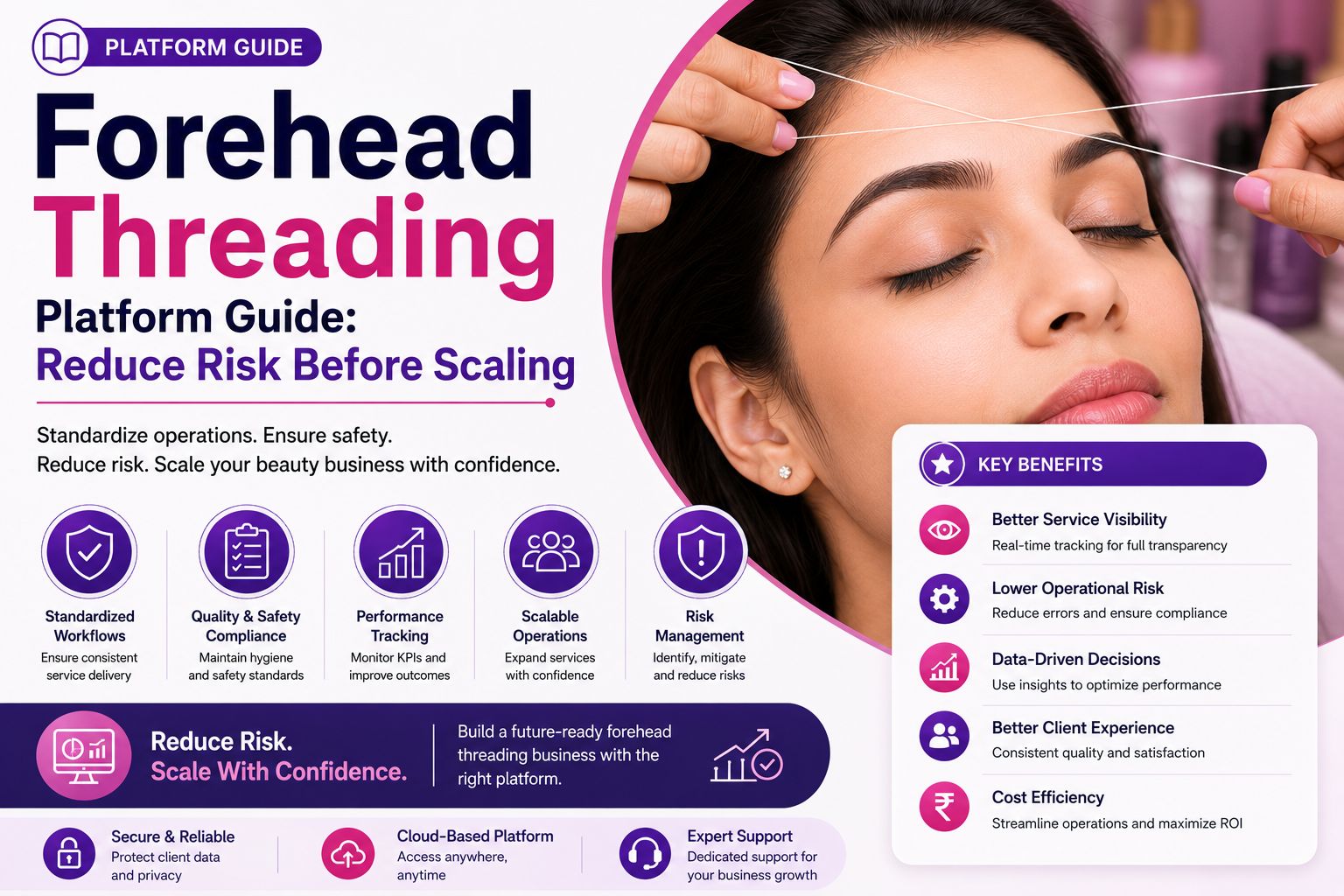
The term “forehead threading platform” refers to the practice of threading the entire forehead surface rather than just shaping brows or removing stray hairs. This is a common request among customers who want a smooth base for makeup, especially before events or bridal functions. During the service, the thread traps and pulls multiple hairs at once from a larger skin surface area. What many do not realize is that threading the entire platform exposes the skin to repeated friction and mechanical stress. The sensation goes beyond mild discomfort, sometimes it feels like heat, stinging, or rawness that lasts after the session ends. Salon observations show that customers who previously tolerated threading well start reporting redness lasting hours or small bumps called folliculitis. The risk is not about the thread itself but about the cumulative impact of removing hair from a wide area where the skin is thinner and more sensitive than the brow region. Clients often describe a burning sensation during and after full-platform threading, which is not typical for brow-only service. This difference in experience creates uncertainty because they thought threading was safe everywhere—I thought that too. The salon rarely explains that forehead skin has a different reaction threshold.
Why Forehead Skin Reacts Differently When Threading Frequency Increases
Forehead skin has a higher density of sebaceous glands and a thinner epidermal layer compared to the brow area. When threading is performed across the full platform, the repeated mechanical pulling irritates the skin barrier. Initially, the irritation may be invisible, but with regular sessions, the skin loses some of its natural resilience. Humidity, summer heat, and heavy moisturizers can worsen the reaction because they trap heat and oil against the irritated follicles. Salon practitioners often notice that customers who thread their forehead before every event experience delayed redness that appears hours later, sometimes with small whiteheads. These symptoms are not infection but a form of reactive inflammation caused by overstimulation of the hair follicles. The confusion arises because the skin appears fine immediately after the service, and the reaction only becomes visible later—like a delayed surprise. Many customers assume the threading was done incorrectly, but the real issue is frequency and surface area. The more often the entire forehead platform is treated, the less time the skin has to repair itself. Very oily or very sensitive skin types are especially prone to this reaction. Understanding this difference helps reduce the anxiety that comes from blaming the salon or the technique, which is honestly where my mind goes first.
Common Misconceptions That Worsen Forehead Threading Discomfort
The most widespread misconception is that threading is completely safe for all skin types and all body areas. In reality, threading stimulates the hair follicle mechanically, which can trigger inflammation in sensitive skin, especially when the entire forehead platform is treated. Another mistaken belief is that redness or bumps always mean poor hygiene or low-quality threading. In many cases, the reaction is a normal response to stress on the follicle, not an infection—which is hard to accept when your face looks angry. A third error is assuming that numbing creams or gels prevent irritation. These products sometimes mask the sensation but do not reduce the mechanical damage to the follicle, and they can trap bacteria against the skin. Customers also overlook the role of aftercare. Using heavy creams, applying makeup immediately, or exposing the skin to heat without allowing recovery time worsens the outcome. Salons rarely emphasize that the platform area needs different aftercare than the brows. Many clients return disappointed because they expected the same easy experience they had with brow-only threading. This mismatch between expectation and actual skin response leads to dissatisfaction and confusion about service quality. The reality is that forehead threading is a higher-risk variation of a safe service, and awareness of that distinction changes how customers prepare—if only someone told me earlier.
How to Decide When Forehead Threading Is Right for Your Needs
Deciding whether to continue or scale forehead threading depends on your skin condition, the timeline before an event, and how your skin has reacted previously. If you notice redness lasting more than a few hours or any bumps forming after previous sessions, you should reduce frequency and avoid treating the full platform before important events. Wait for the skin to fully recover, usually seven to ten days, before scheduling another threading session. If you have dry or sensitive skin, consider whether threading the full forehead is necessary or if brow-only shaping is sufficient. For bridal or event preparation, schedule threading at least three to five days before the event to allow redness and irritation to subside. Avoid threading your forehead the same day as a salon facial or exfoliation treatment because combined mechanical and chemical stress increases the risk of prolonged redness or sensitivity. When discomfort does not reduce by the next day, or if bumps become painful, professional reassessment is necessary. Parlourtime discussions often highlight that maintenance expectations influence satisfaction more than the treatment itself—I keep reading that. If you experience consistent reaction after multiple attempts, consider alternative hair removal methods for the forehead platform. The decision is not simply about whether threading works but about whether your skin can tolerate the frequency and area.
Frequently Asked Questions
- q Can full forehead threading cause permanent skin damage?
- a Permanent skin damage is rare, but repeated full-platform threading without recovery can cause temporary hyperpigmentation, folliculitis, or skin barrier weakening that takes weeks to resolve—so not permanent but annoying enough.
- q Why does my forehead feel hot hours after threading?
- a Heat after threading usually indicates reactive inflammation from mechanical stimulation of hair follicles, often triggered by oily skin or heavy moisturizers applied before or after the service.
- q Is it safe to thread the forehead before a wedding or event?
- a It is safer to thread the forehead three to five days before an event to allow any redness or bumps to settle, rather than threading the day before.
- q Do numbing creams reduce the risk of forehead threading reactions?
- a Numbing creams mask sensation but do not prevent mechanical irritation or follicle inflammation, and they may increase the risk of bacterial buildup.
- q How many days should I wait between forehead threading sessions?
- a Allowing at least seven to ten days between full-platform threading sessions gives the skin enough time to repair and reduces cumulative irritation.
- q Can oily skin cause more reactions after forehead threading?
- a Oily skin is more prone to folliculitis and inflammation after threading because excess sebum and trapped heat worsen the mechanical stress on hair follicles.
- q Should I avoid other skincare treatments after threading my forehead?
- a Avoid facials, exfoliation, and heavy moisturizers for at least 24 hours after threading to prevent combined stress that can prolong redness or sensitivity.
- q When is it better to stop forehead threading and try a different method?
- a If redness, bumps, or discomfort consistently occur after each session despite proper aftercare, switching to alternatives like waxing or depilatory creams may reduce skin irritation.