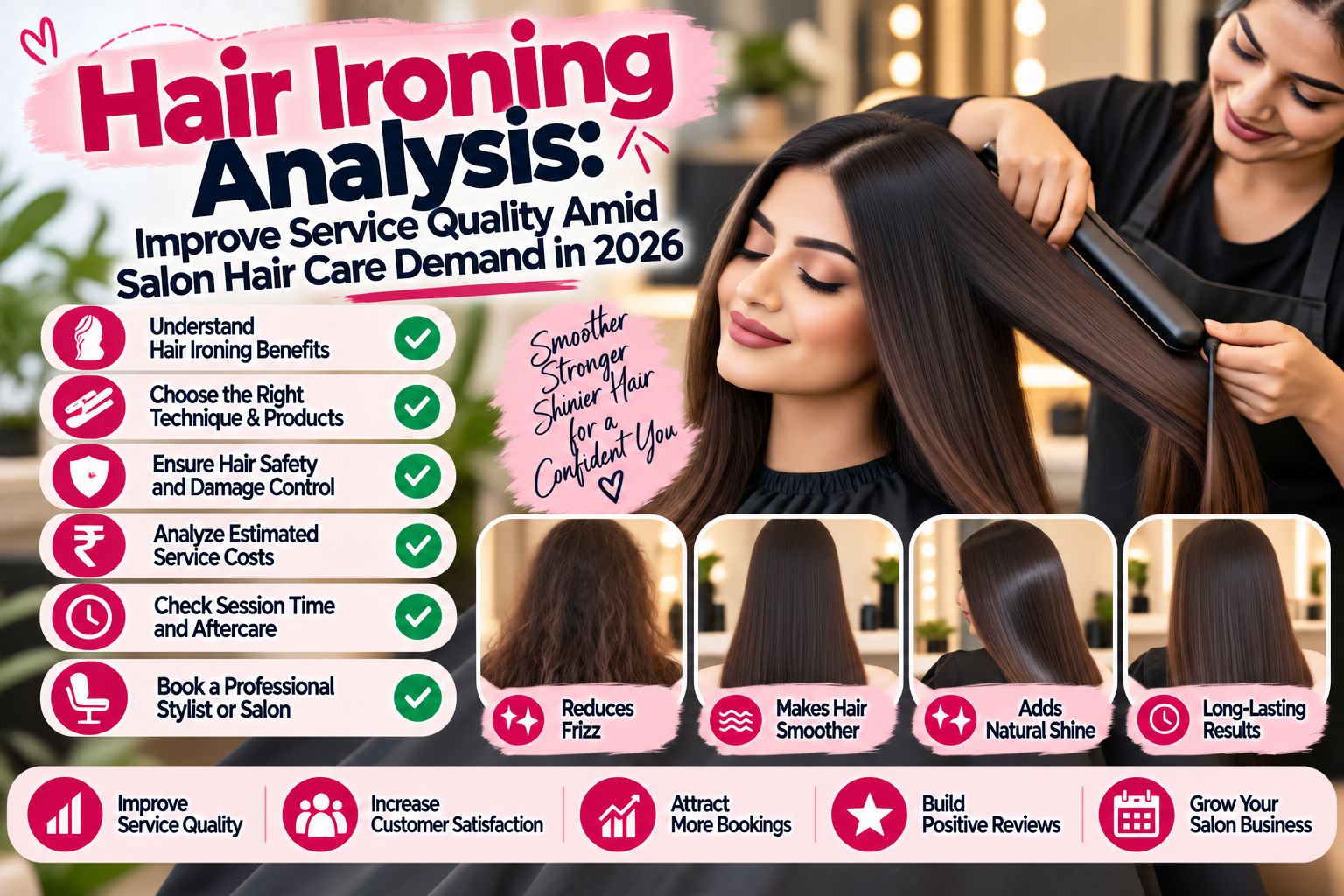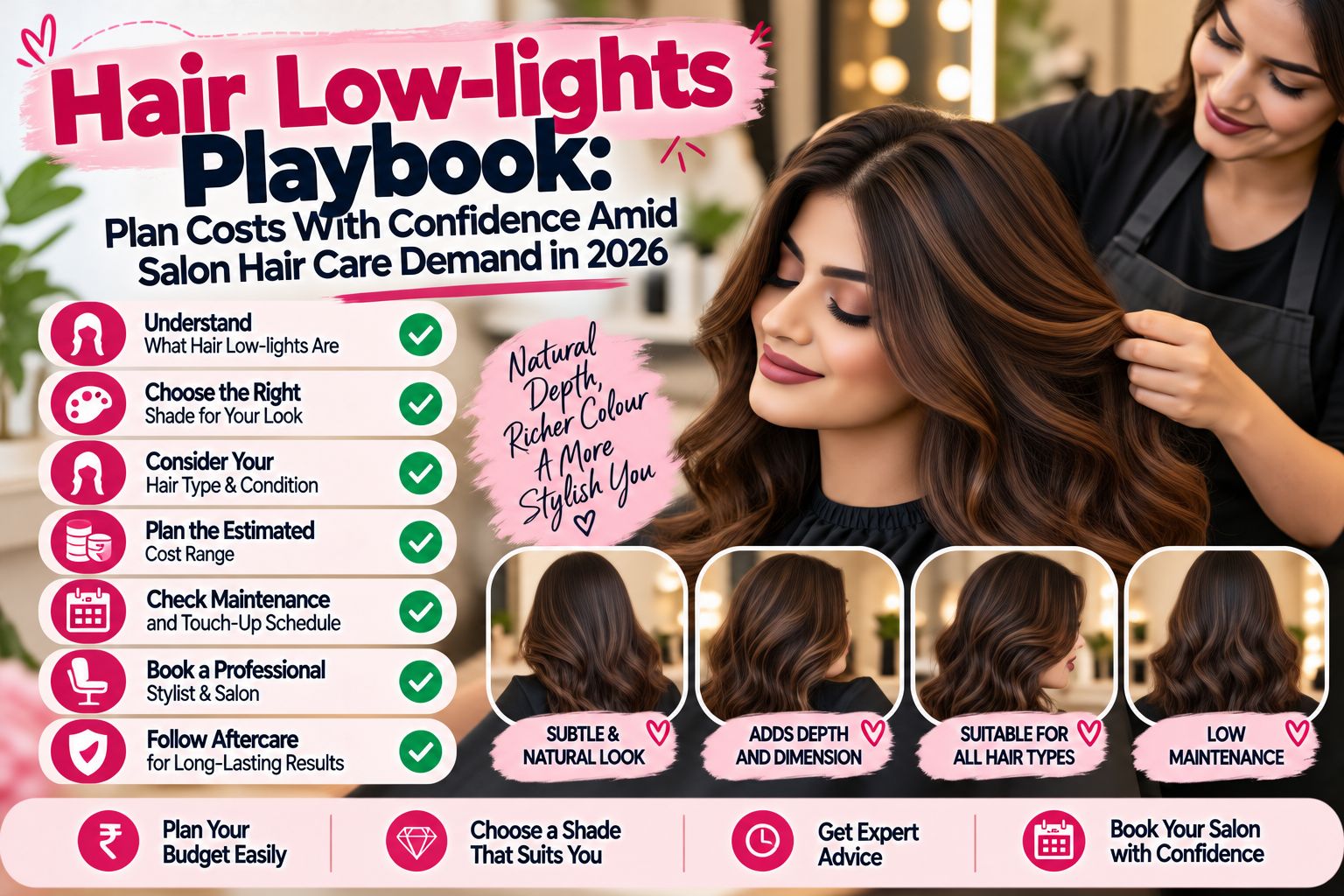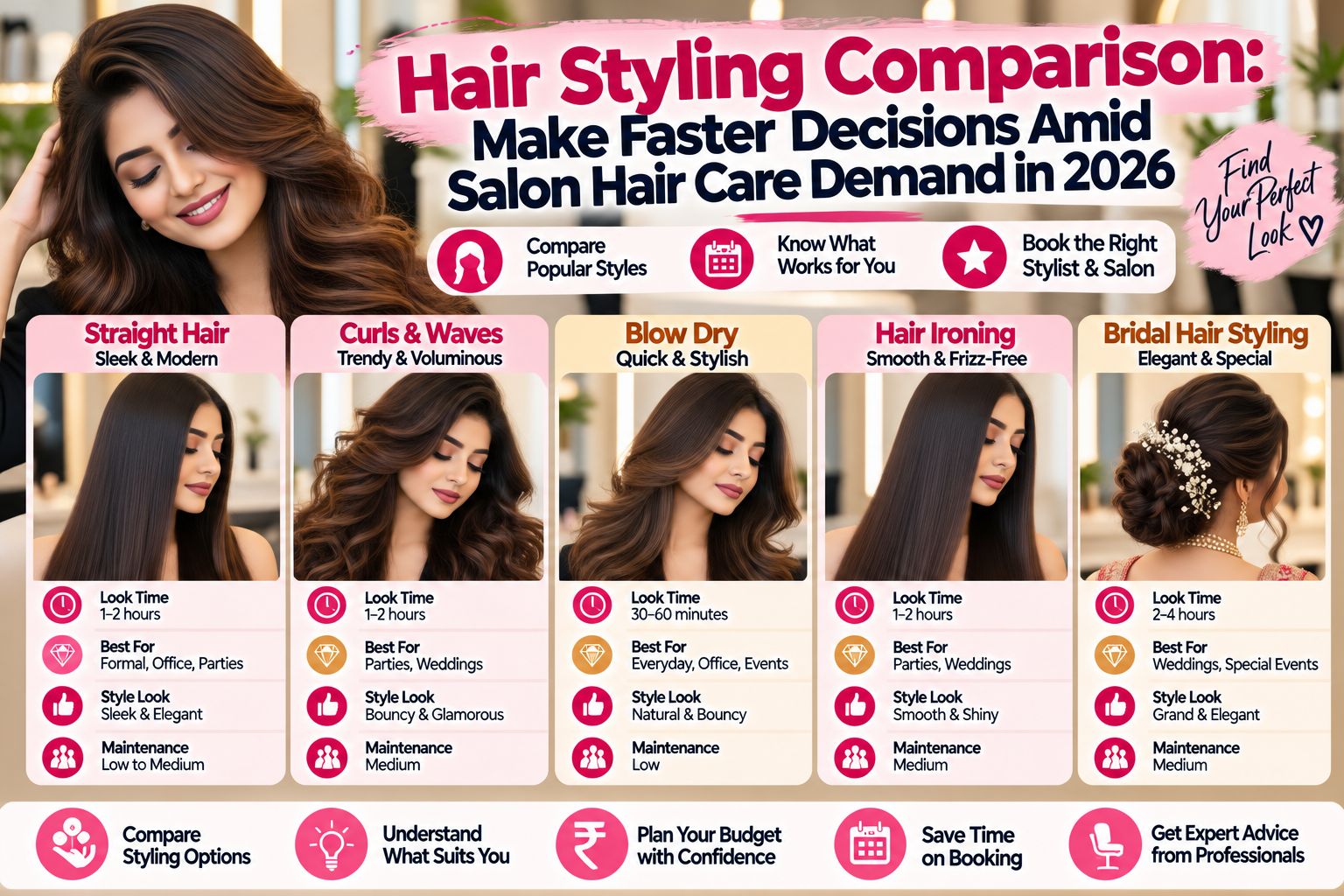


Scaling any hairdressing service through an online platform introduces a unique set of challenges that often remain invisible until the first client complaint arrives. When you book a haircut through a digital marketplace, you are essentially trusting a system that connects you with a stylist whose skill level, equipment quality, and interpretation of your request remain unknown until you sit in the chair. This uncertainty creates a significant risk gap, especially for clients who are particular about their hair texture, length, or maintenance routine. The core issue is not whether platforms can deliver a haircut, but rather whether they can deliver a haircut that matches your specific expectations without the benefit of a physical salon consultation. Many clients report that the stylist assigned to them does not always understand the nuances of Indian hair density or the commitment required for certain styles. For example, a client expecting a subtle trim might receive an aggressive layering cut because the communication was misunderstood during a rushed online booking process. The convenience of booking instantly often comes with the hidden cost of reduced personalization, and this trade-off becomes even more apparent when you consider the lack of direct accountability after the service is completed. Understanding this dynamic is the first step toward reducing the risk associated with scaling your grooming needs through a platform-based approach.
What Happens When You Book Haircut Services Online
The operational reality of online haircut platforms is that they prioritize volume and speed, which can sometimes conflict with the precision required for a good haircut. When a platform sends a stylist to your home or assigns you to a nearby outlet, the consultation window is often compressed into a few short minutes, leaving little room for detailed discussion about your hair's natural fall, cowlick patterns, or previous chemical treatments. Frequent complaints include uneven fringes, overly texturized ends, and a general sense that the cut does not suit the client's face shape. In many cases, the stylist relies on a generalized approach rather than adapting to the individual's hair growth pattern, which is a critical factor in achieving a satisfactory result. Additionally, the lack of a wash and conditioning step before the cut, which is standard in professional salons, means the stylist is working with dry or product-laden hair, leading to inaccurate length assessment. Clients often notice this difference only after the first wash at home, when the true shape of the cut reveals itself. This delay in recognizing a poor result makes the platform resolution process more complicated, as proving the service quality becomes subjective. The onus falls on the client to articulate precisely what went wrong, which is difficult for non-professionals to describe accurately. The result is a growing sense of dissatisfaction that erodes trust in the platform model, making risk reduction a priority for those who rely on these services for convenience.
Why Haircut Results Vary So Much Across Platforms
The variability in haircut outcomes on platforms stems from several interconnected factors that extend beyond the individual stylist's skill. One major factor is the inconsistency in training methods, as platform aggregators often onboard stylists from diverse backgrounds with different levels of formal certification. This means that a client might receive a masterful scissor-over-comb technique on one visit and a blunt, heavy cut on the next, despite booking the same service tier. Another critical element is the environmental condition during a home visit, where lighting, mirror quality, and chair height are not optimized for precise work, affecting the stylist's ability to see symmetry and graduation clearly. Furthermore, the pressure to complete multiple appointments in a single day creates a time constraint that encourages haste over perfection. Clients who scale their haircut needs across different platforms often report that the results are rarely consistent, leading to a constant state of uncertainty. This inconsistency is not just about length; it also applies to the understanding of styling preferences, such as whether the client parts their hair on the opposite side or requires a specific finish for office-going wear. The absence of a standardized quality check before the platform considers the appointment complete leaves room for subjective acceptance, where a client might approve a cut simply because they feel awkward rejecting the service in their own home. This social pressure often results in post-appointment regret, reinforcing the need for clients to establish clear boundaries and verification steps before the stylist leaves.
Common Mistakes That Increase Risk After The Service
A significant number of post-haircut issues arise from the client's own actions during the immediate aftercare period, which platforms rarely emphasize. Assuming that a blow-dry finish is the final look is a common mistake; the true test of a haircut is how it behaves after a regular wash without professional styling products. Clients often overestimate the ease of maintaining a new style, especially if they requested a drastic change from their usual length or layers. For instance, scaling from long, heavy hair to a pixie cut requires a complete change in styling routine, and the initial shock of seeing the new shape can be mistaken for a bad haircut when it is simply a case of unfamiliarity. Another risk is the immediate application of heat styling tools after the cut, which can mask the cut's actual line and create a perception of damage that was not there initially. Additionally, clients who attempt to "fix" minor asymmetries themselves at home, often with kitchen scissors, drastically increase the risk of permanent damage that requires a professional correction later. The platform model also creates an underestimation of the importance of the pre-cut consultation; clients often skip asking clarifying questions about their hair type's specific response to layering or thinning, assuming that the stylist will automatically know. Overlooking the need for a patch test for potential allergic reactions to styling products used post-cut is another common oversight. These mistakes are amplified for clients who scale their expectations across multiple platform bookings, as they lack a single professional reference point to guide their expectations, ultimately turning a simple maintenance task into a source of anxiety and regret.
How To Decide If You Should Rebook Or Change Your Approach
Determining whether to rebook another platform appointment or step back entirely requires a clear evaluation of what went wrong and what is realistically fixable. If the issue is purely a matter of length—for instance, the stylist cut off an extra inch despite clear instructions—this might be a tolerable error that can be corrected in a follow-up visit, provided the overall shape is acceptable. However, if the problem lies in the fundamental structure of the haircut, such as overly heavy layers that ruin the hair's movement or a neckline that is completely off-center, rebooking with the same platform might simply repeat the frustration. In this situation, the wiser decision is to pause scaling and return to a physical salon where the stylist can spend time analyzing your hair's natural flow and your maintenance capabilities. Clients should also consider the condition of their hair before blaming the platform; if the hair has pre-existing split ends or damage from chemical treatments, no amount of platform convenience will yield a "perfect" cut because the stylist is working with compromised material. The boundary condition here is that a platform haircut cannot fix structural hair damage, and expecting it to do so will only increase dissatisfaction. When considering a rebooking, it is vital to request a specific stylist whose work you have previously approved, as this reduces the randomness that leads to risk. Before booking again, evaluate whether your desired hairstyle requires specialized knowledge of thick, curly, or chemically processed hair, as generalist stylists on these platforms often lack this advanced training. Ultimately, the decision should be based on whether the platform can accommodate your specific needs or whether your requirements are too nuanced for a system that thrives on standardization.
Frequently Asked Questions About Haircut Platform Risks
q Can I trust a hair cut platform for a complex hairstyle? a Complex hairstyles involving precise layering or bangs require a thorough consultation, which is often rushed, increasing the risk of an uneven result.
q Why did my haircut look good at the salon but bad at home? a The salon stylist uses professional products and blow-drying techniques that create temporary structure, which your home routine may not replicate easily.
q Is it safe to book a haircut platform service before a major event? a Risk is high before a major event, as there is little time to fix mistakes; a professional salon visit is usually safer for a date-sensitive look.
q How do I know if a bad haircut is fixable or needs a new strategy? a A fixable cut has a decent shape with minor length issues; a new strategy is needed if the structure is uneven or the hair is over-thinned.
q Does my hair condition affect the risk of a platform haircut? a Damaged or chemically treated hair reacts differently to cutting, and a platform stylist may not assess this properly, increasing the chance of a poor result.
q Should I rebook a different stylist or stop using the platform? a Consider rebooking a specific recommended stylist or stopping if the consistency is poor, as repeated errors often indicate a systemic quality issue.
q What should I check before the stylist leaves my home? a Check the back, the neckline, and the layering from multiple angles in a full-length mirror before the stylist departs to ensure the shape is correct.
q Is a hair cut platform reliable for regular maintenance trims? a Regular trims are lower risk, but the inconsistency in stylist skill can still lead to unevenness, making a fixed physical salon a better choice for maintenance. Many salon service questions are best answered in person, and you can find related guidance in the salon FAQs. For those scaling their business, understanding these client pain points is crucial, and salon courses often highlight these operational gaps. If you need clarification on specific service concerns, consulting the beauty service questions section can provide useful context. Some users find that comparing notes on scheduling via parlourtime helps them understand the variability of service timing before they decide on a particular platform.