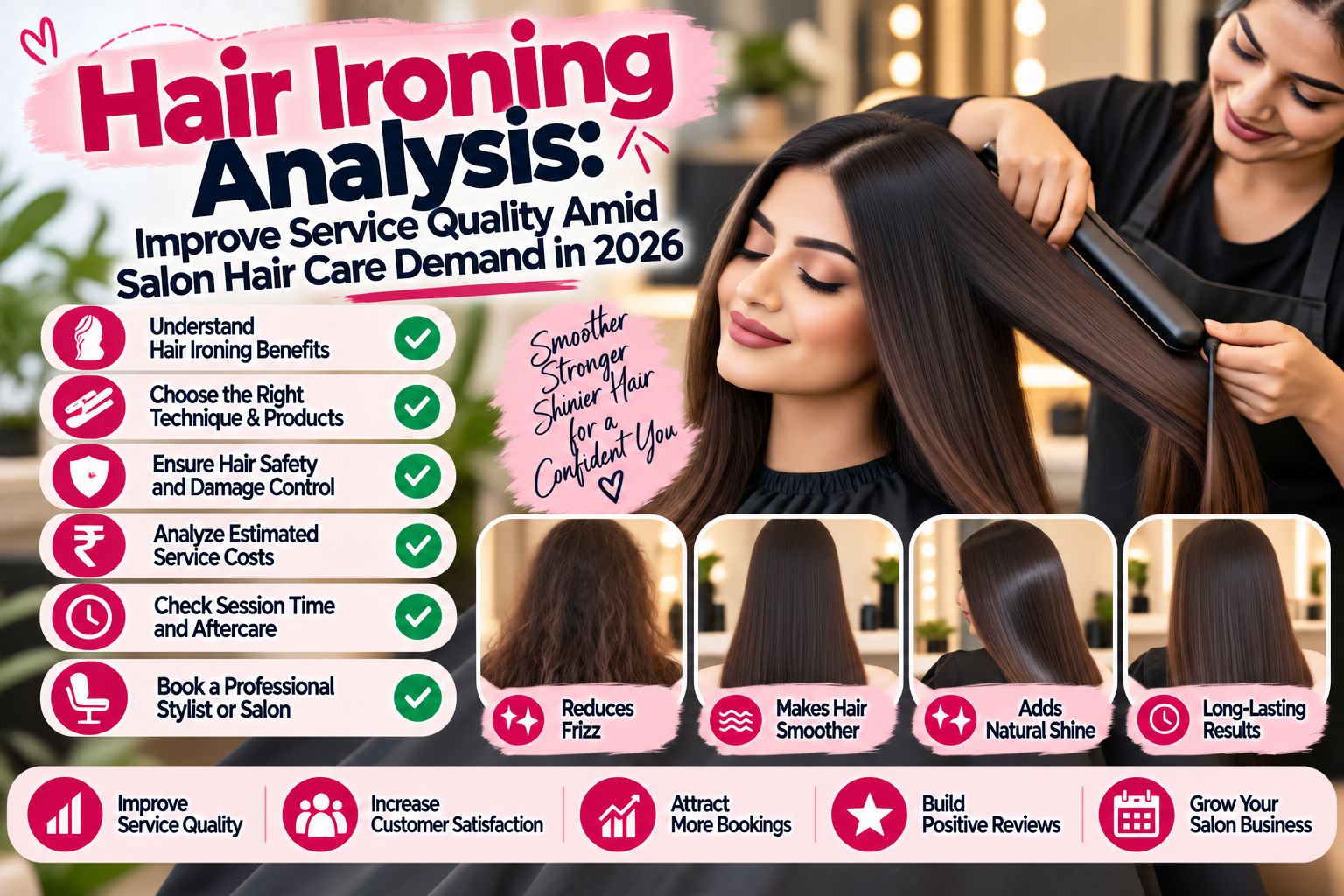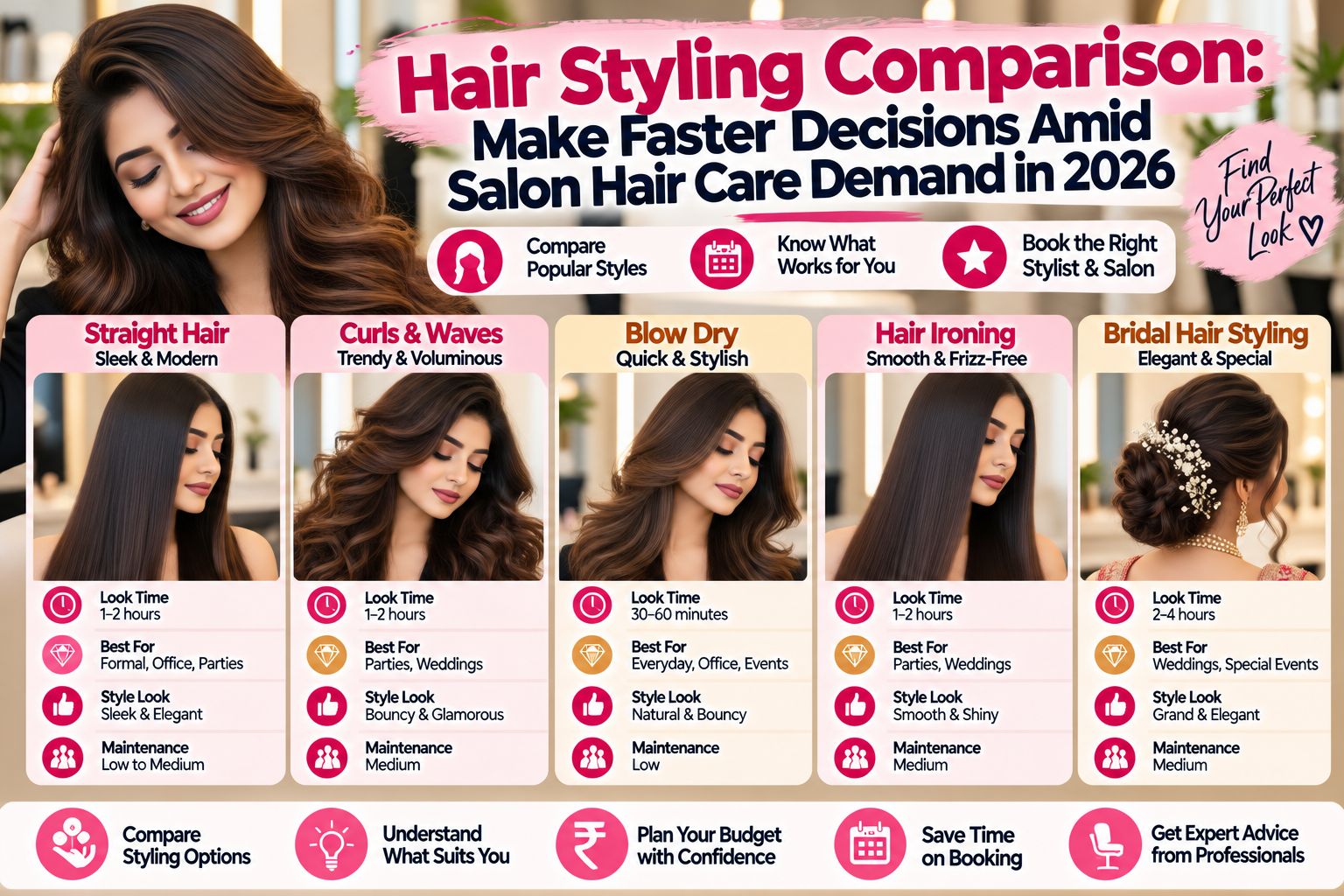


Many customers searching for hair straightening best practices this week are not looking for generic beauty advice. They are trying to understand whether their upcoming appointment will meet current salon standards and whether the results will last as promised. The confusion often starts when a customer books a straightening service expecting immediate, long-lasting smoothness but later notices uneven texture, frizz returning quickly, or scalp discomfort. This gap between expectation and reality creates a genuine sense of uncertainty. The real question is not just about technique but about whether the entire service experience aligns with what salons consider compliant practice today. Compliance in this context means the salon follows proper protocols for consultation, product selection, application timing, and aftercare guidance. When any part of this chain breaks, dissatisfaction follows.
What Hair Straightening Compliance Actually Means During a Salon Visit
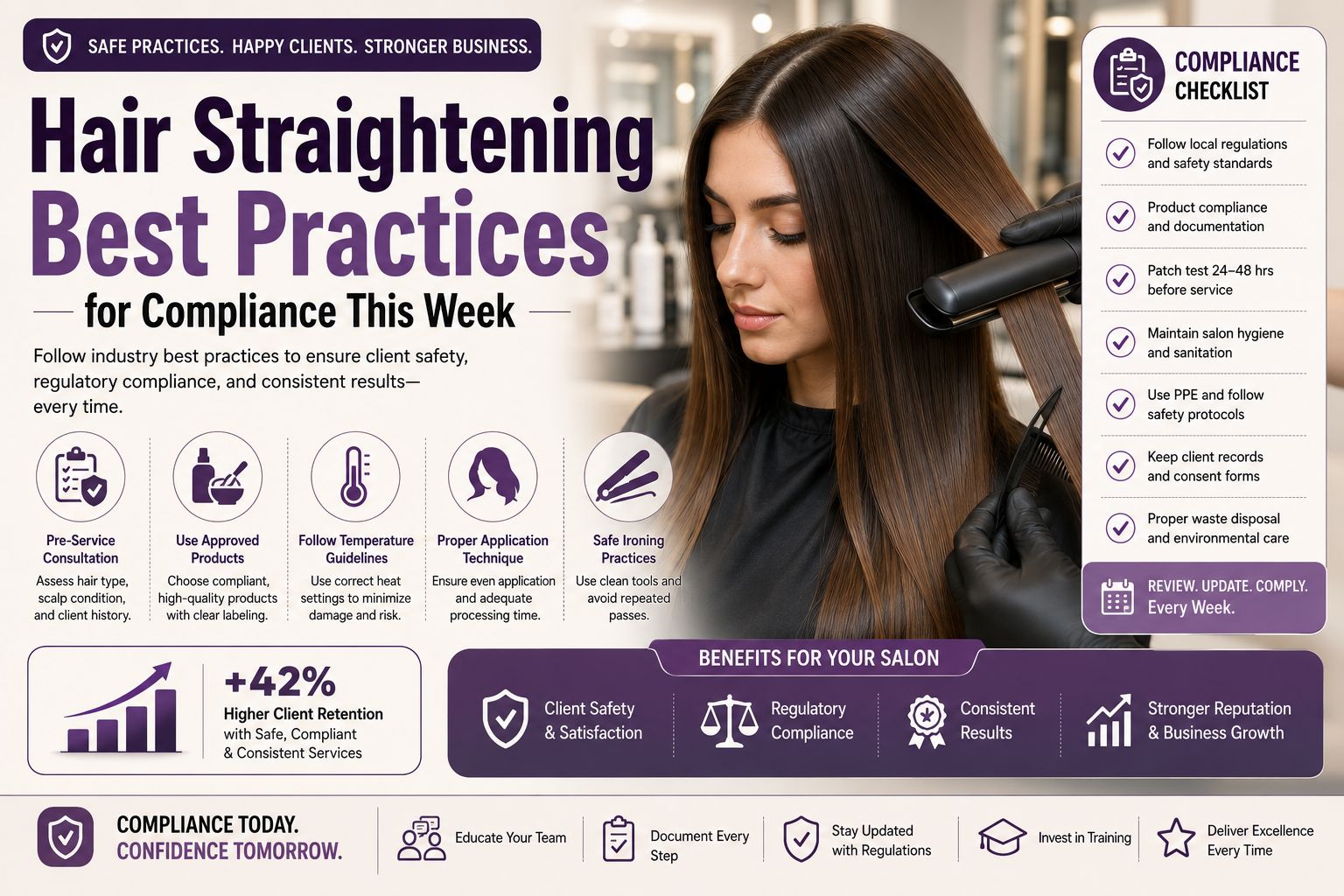
During a typical Indian salon visit, a straightening service begins with a consultation where the stylist should assess hair type, previous chemical treatments, and scalp sensitivity. Many customers overlook this step because they assume straightening is a straightforward process. But honestly, compliance starts here. A compliant salon professional will ask about prior keratin treatments, smoothening sessions, or hair coloring because overlapping chemicals can cause unexpected damage. They should also perform a strand test to see how the hair reacts to the straightening formula. Customers often notice a burning sensation or excessive heat during the ironing phase, which can be a sign that the product selection was not matched to their hair condition. Real salon experience shows that skipping the patch test or rushing through the consultation often leads to results that do not match the promised outcome. The confusion increases when the salon does not explain why certain products are being used or why the process takes longer than expected.
Why Straightening Results Vary and What Influences Compliance Outcomes
The reality is that hair straightening results depend heavily on factors that many customers do not consider. Hair texture, previous chemical exposure, and even weather conditions play a significant role in how well straightening holds. Indian hair, especially if previously treated with smoothening or coloring, may not respond uniformly to a new straightening session. A common observation in salons is that the ends of the hair remain wavy or frizzy even after a full straightening service. This happens because damaged ends cannot hold the chemical bond as effectively as healthy roots. Another overlooked factor is the maintenance routine after the service. Customers often use sulfate-based shampoos or heavy oils that strip the straightening effect faster. Compliance does not stop when the customer leaves the salon. It includes proper aftercare instructions. When these details are ignored, the initial smoothness fades within a few washes, creating disappointment. The key insight here is that straightening compliance is not just about salon procedure but also about the client's willingness to follow post-treatment care.
Common Mistakes That Lead to Dissatisfaction with Straightening Services
One major mistake customers make is assuming that more straightening sessions will automatically improve results. In many cases, repeating the treatment too soon damages the hair shaft, leading to breakage instead of smoothness. Another blind spot is ignoring scalp health. Sensitive scalps often react to straightening chemicals with redness, itching, or flaking. Customers sometimes mistake this for a normal reaction, but it is a clear signal that compliance was compromised. The salon should have used a milder formula or avoided areas where the scalp was already irritated. A third mistake is expecting straightening to completely change naturally curly or coarse hair into pin-straight, silky strands. Chemical straightening reduces curl but does not always achieve the glossy look seen in advertisements. Many customers feel disappointed because the salon did not clarify this during the consultation. Dissatisfaction escalates when customers feel the salon did not match the service to their actual hair condition, which is the core of non-compliance.
Making Informed Decisions About Straightening Timing and Maintenance
Deciding when to undergo a straightening service requires careful thought about timing, especially if you have an upcoming event or wedding. Bridal preparation often includes straightening, but many brides make the mistake of scheduling the service too close to the event date. Straightening requires recovery time for the hair to settle and for any minor reactions to subside. If irritation or unexpected frizz appears shortly after treatment, there may not be enough time to correct it before the occasion. If maintenance products like mild shampoos, conditioners, and heat protectants are used consistently, the results last longer. But if the hair shows signs of excessive dryness, split ends, or uneven texture after one session, repeating the same treatment is unlikely to help. At that point, professional reassessment from a different stylist or salon is advisable. Some customers find it useful to explore beauty service questions on platforms like parlourtime to understand how others have managed post-straightening expectations and compliance concerns.
Frequently Asked Questions
q Can hair straightening cause permanent scalp damage if not done correctly?
a Yes, chemical burns or sensitivity can occur if the straightening formula is applied without proper scalp assessment or when left on too long.
q How soon can I wash my hair after straightening for best compliance?
a Most salons recommend waiting at least 48 to 72 hours to allow the chemical bonds to set properly before washing.
q Why does my hair feel rough or sticky after straightening?
a This often indicates product residue from improper rinsing or use of incorrect aftercare products, which can reduce compliance and result quality.
q Is it safe to straighten hair that has been previously colored or bleached?
a It is possible but requires careful consultation and strand testing to avoid overlapping chemical damage and unexpected breakage.
q What should I do if I feel a burning sensation during the straightening process?
a Immediately inform the stylist because this may indicate product mismatch, application error, or scalp sensitivity that requires immediate adjustment.
q How long do straightening results typically last with proper aftercare?
q Results usually last between three to six months depending on hair type, maintenance routine, and whether the service followed compliance protocols.
q Can I use coconut oil on my hair after straightening without affecting the results?
a It is not recommended because heavy oils can loosen the chemical bonds and cause the straightening effect to diminish faster.
q When should I consider a different treatment instead of straightening again?
q If you notice excessive damage, persistent frizz, or poor hold after previous sessions, a hair repair treatment or keratin smoothening may be more appropriate and parlourtime discussions often highlight this decision point for customers.