

A head massage is one of the most requested services in Indian salons. Clients expect relaxation, stress relief, and improved scalp health. But this week, many salon professionals—honestly, even I've been thinking about this—are questioning whether their technique and setup meet compliance standards. Compliance is not just about following rules. It means ensuring every head massage is hygienic, safe, and appropriate for the client's scalp condition. When a client sits for a head massage, the first thing they notice is the environment. Is the chair clean? Are the hands sanitized? Does the oil smell fresh? These small observations matter. Confusion arises because compliance guidelines vary between states and salon types, sometimes even between two salons in the same market. Some professionals assume a basic oil massage is enough. Others overlook scalp examination before starting, assuming the client will say something if there's a problem. The real concern is whether your current head massage practice puts the client at risk of infection, irritation, or dissatisfaction. Understanding what compliance means for head massage helps you avoid complaints and build trust, but also, it's just peace of mind.
What Head Massage Compliance Actually Means for Salons This Week
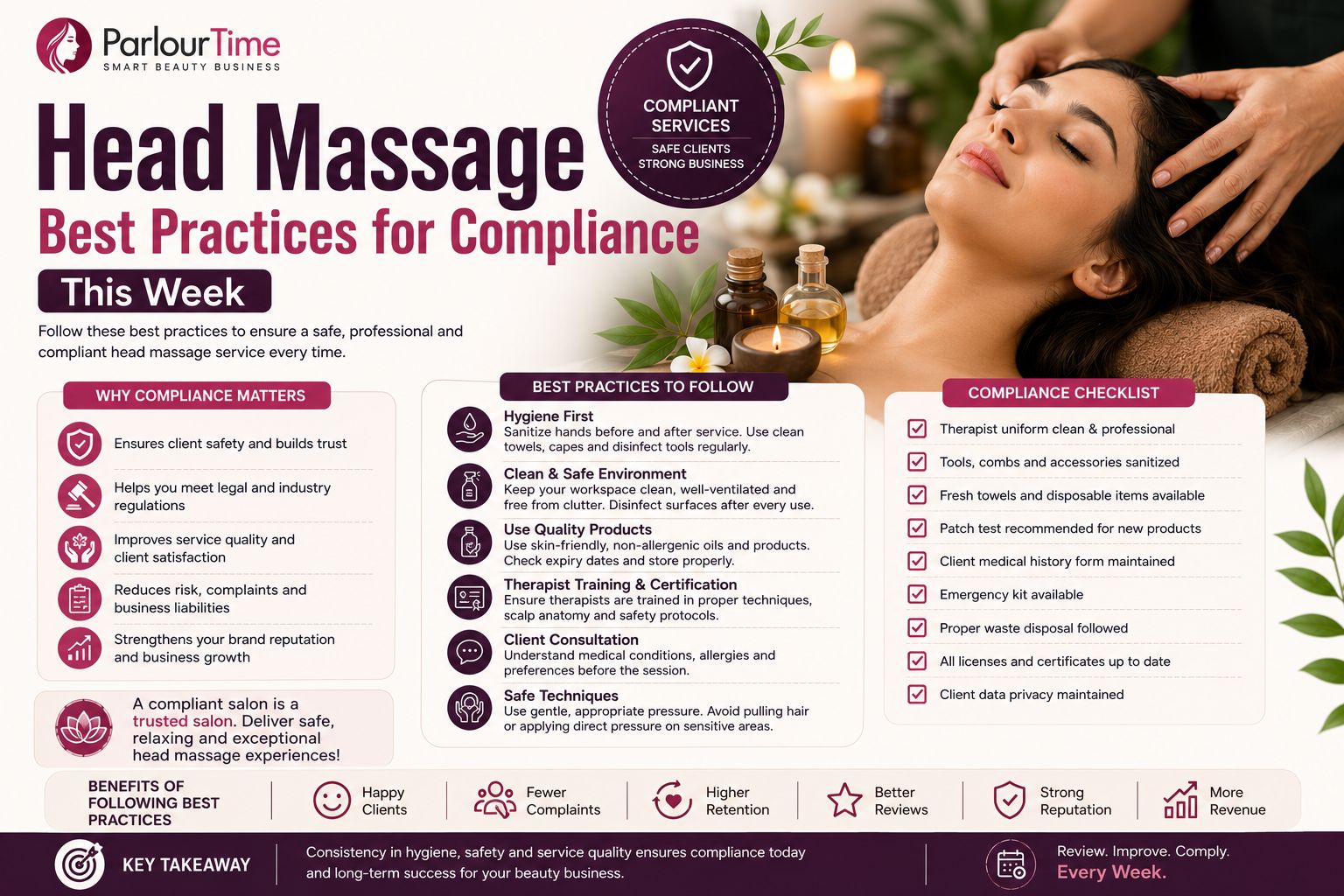
Compliance for head massage involves multiple layers, and honestly it can feel overwhelming. Hygiene is the first layer. Every salon must ensure that towels, sheets, and tools are sanitized before each service. Oil containers should not be shared without proper dispensing—I mean, how many places just dip the same bottle? The second layer is consultation. A professional should examine the client's scalp before beginning. Redness, dandruff, sores, or sensitivity must be noted. Many clients do not mention these issues themselves. They assume the therapist will notice, but what if the lighting is bad or the therapist is rushing? If a head massage is performed on an irritated scalp, the client may experience burning or worsening of the condition. The third layer is technique. Aggressive pressure can cause discomfort or even injury—I've heard of people getting headaches after a too-hard massage. Light to medium pressure is generally safe. The fourth layer is aftercare advice. Clients often leave without knowing how to care for their scalp post-massage. This week, compliance also means staying updated on any new local health guidelines. Some cities have introduced stricter protocols for contact services. Ignorance is not a valid excuse, but who has time to read every update? A compliant head massage prioritizes client safety over speed or profit.
Reality Check Why Head Massage Compliance Often Gets Overlooked
In many Indian salons, head massage is treated as a routine add-on, almost like an afterthought. Staff may rush through it without proper preparation. The reality is that non-compliance happens more often than clients realize. One common mistake is using the same oil for multiple clients without cleaning the bottle nozzle—nobody thinks about that little nozzle. Another is failing to wash hands properly before touching the scalp. These oversights may seem small, but they lead to cross-contamination. Clients with sensitive skin or allergies are especially vulnerable, and they might not even know they're allergic until it's too late. Another overlooked factor is the duration of the massage. Compliance guidelines often recommend a maximum duration to avoid overstimulation. Yet many salons extend the massage to please the client without understanding the risks. Weather also plays a role. In humid conditions, the scalp is more prone to fungal infections. Massaging an already compromised scalp can spread the infection. Professionals often assume that more pressure equals better results. The opposite is true for many clients. Gentle, rhythmic movements are safer and more effective. Compliance is not about adding complexity. It is about consistency, which is harder than it sounds.
Wrong Assumptions That Lead to Head Massage Compliance Failures
Many salon professionals believe that head massage compliance is only about using clean towels. That is a dangerous assumption—I used to think the same thing until a client complained. Compliance also includes proper storage of oils, sanitization of hands before and after each client, and maintaining a clean work station. Another wrong assumption is that all clients are safe for head massage. Clients with recent scalp injuries, active infections, or medical conditions like psoriasis require caution. A quick visual check is not enough, especially if the client has hair that covers the scalp. Asking a few questions about scalp history is a better approach, but it feels awkward sometimes. Some therapists assume that head massage cannot cause harm. In reality, excessive pressure on certain points can lead to headaches or dizziness. Clients with low blood pressure may feel faint after a vigorous massage—that happened to my cousin once. Another blind spot is neglecting to cover the eyes during oil application. Oil dripping into the eyes causes irritation and discomfort. Many professionals skip this step to save time, thinking it won't happen. Compliance fails when convenience overrides care. Professionals also underestimate the importance of ventilation. Strong oil smells in a closed room can trigger allergies or nausea. This week, reviewing these assumptions can prevent complaints, but it takes effort to break old habits.
Decision Help How to Ensure Head Massage Compliance This Week
Making compliance decisions for head massage requires practical steps, not just good intentions. First, schedule a quick review of your current setup. Check if oil bottles have clean dispensers—like actually check, don't just glance. Replace any towels that show stains or odor. Ensure that your hand sanitizer is accessible and fresh, not the dried-up bottle from last month. Second, create a simple scalp checklist. Before every head massage, ask about allergies, recent scalp treatments, and any discomfort. Document the response. This shows professionalism and reduces risk, plus it covers you if something goes wrong. Third, limit head massage duration to 20 to 30 minutes unless the client has no sensitivity. Longer sessions do not offer additional benefits, they just tire your hands out. Fourth, provide aftercare instructions. Clients should know to avoid washing their hair immediately after the massage and to avoid direct sunlight for a few hours—I always forget to tell them this. Fifth, stay aware of local compliance updates. Some cities require salons to display hygiene certificates prominently. Ignoring this can lead to fines or temporary closure. If you are unsure about specific guidelines, many professionals turn to resources like Parlourtime for salon FAQs and service updates. Discussing compliance with peers also helps identify blind spots, because we all miss things. The decision to prioritize compliance is not just about avoiding penalties. It directly impacts client trust and repeat visits, which is what keeps the business running.
Frequently Asked Questions
q Is head massage compliance required for all salons this week?
a Yes, any salon offering contact services like head massage must follow hygiene and safety compliance guidelines to prevent infection and ensure client safety.
q What happens if a salon ignores head massage compliance?
a Ignoring compliance can lead to client complaints, infections, bad reviews, and in some cases, regulatory action or temporary closure—all things you don't want.
q Can head massage cause scalp irritation even with clean hands?
a Yes, if the client has pre-existing scalp sensitivity, allergies to oil ingredients, or recent chemical treatments, irritation can occur despite clean hands.
q How often should towels and sheets be changed for head massage?
a Every single client must receive fresh, sanitized towels and sheets. Reusing without sanitization is a common compliance failure that people overlook.
q Does head massage compliance apply to home salon services?
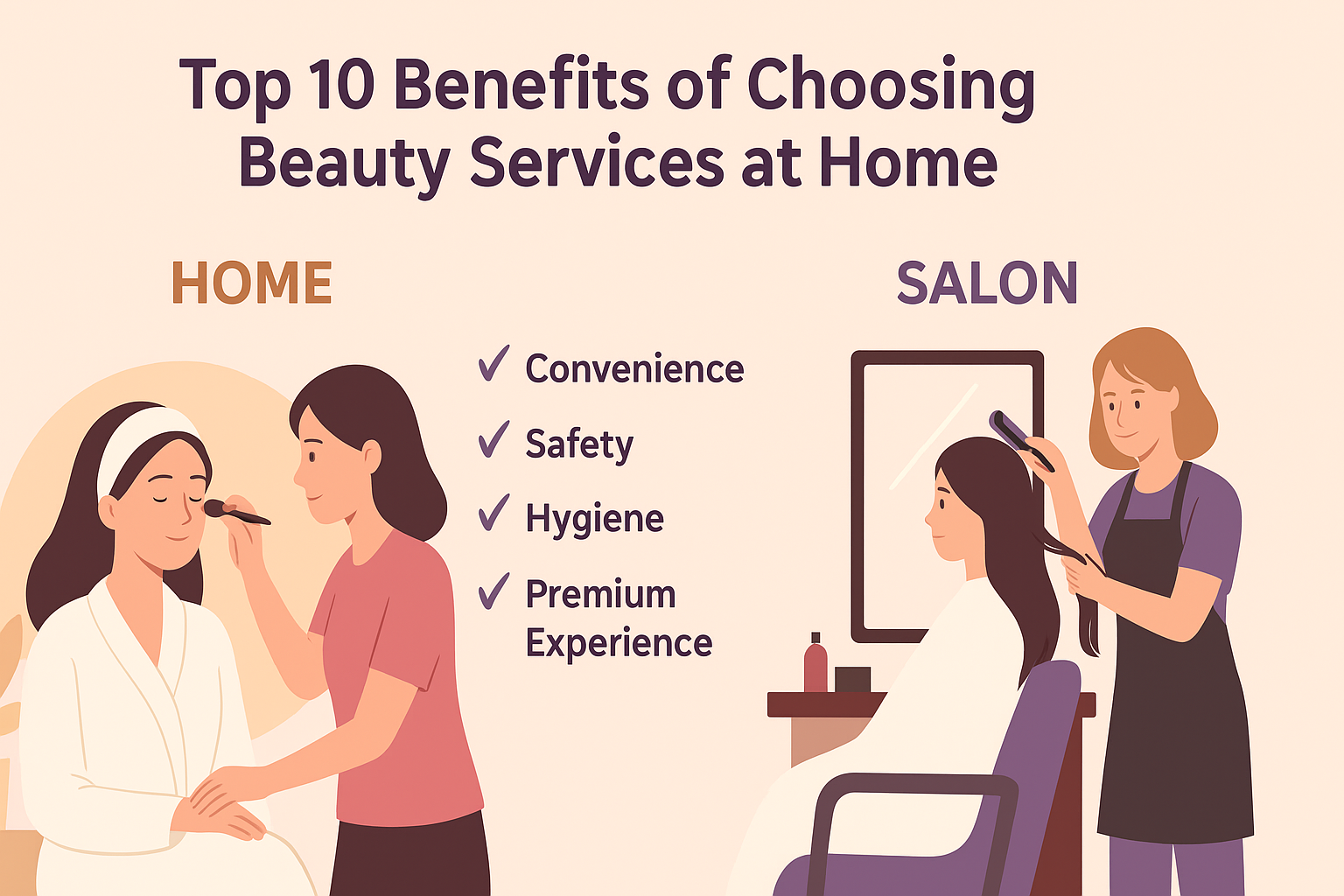
a Yes, home salon services must follow the same hygiene and consultation standards as commercial salons to avoid risks—there's no shortcut for home setups.
q What should a client do if they feel discomfort during head massage?
a The client should immediately inform the therapist. Stopping the massage and assessing the issue is the correct procedure, not just pushing through.
q Is it necessary to examine the scalp before every head massage?
a Yes, examining the scalp for redness, sores, dandruff, or infections is a mandatory step to ensure the massage is safe, even if you've seen the client before.
q Where can salon professionals find updated head massage compliance guidelines?
a Professionals can check local health department updates or explore beauty service resources through parlourtime for relevant compliance information.