Head Massage Strategy: Improve Safety and Cost Control
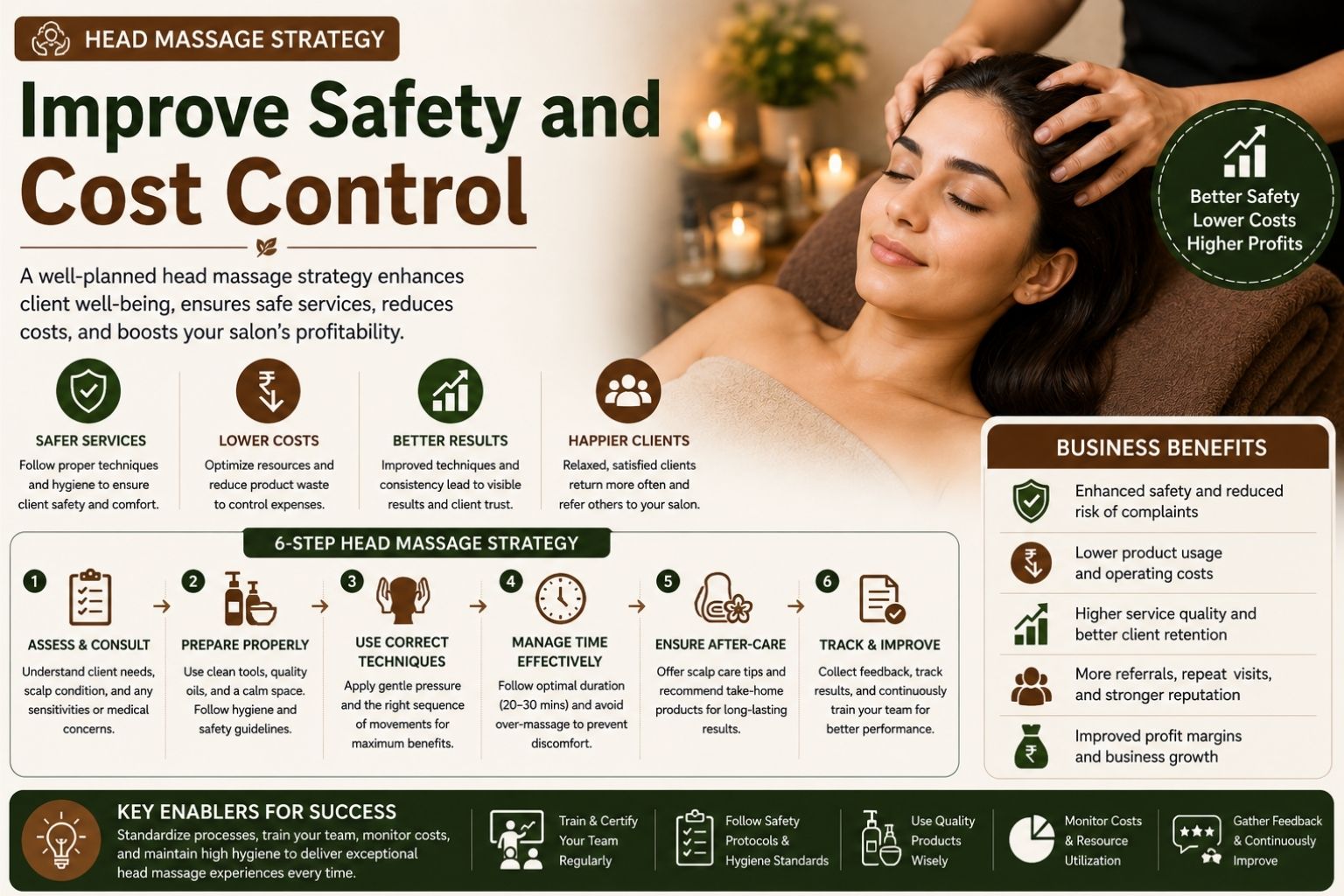
When you search for a head massage strategy to improve safety and cost control, you are likely dealing with two real frustrations. The first involves worry about whether the service will harm your scalp or hair. The second involves the feeling that salon prices keep climbing without clear value. Many customers notice that a simple head massage appointment now includes multiple add-ons, product suggestions, and premium charges. This confusion often leads to hesitation before booking. A practical strategy should help you understand what to expect, how to identify risks, and when a service is worth the money. The focus should remain on your safety and your budget, not on unnecessary extras.
## What Customers Notice First About Head Massage Safety and Pricing
The first thing most customers observe is the difference between advertised prices and the final bill. A head massage may appear affordable at the booking stage, but the final amount often includes charges for specialized oils, steam treatments, or scalp serums. This creates dissatisfaction because the actual cost feels unclear. Safety concerns usually begin with the products applied to the scalp. Some customers experience a burning sensation, itching, or excessive oiliness after the massage. Others worry about whether the therapist is using clean towels and hygienic tools. These observations trigger uncertainty because customers cannot always tell whether the reaction is normal or a sign of a problem. The lack of clear communication before the service increases this anxiety.
Beyond pricing and reactions, many customers notice that the massage pressure varies dramatically between salons and even between therapists. Some prefer firm pressure for relaxation, while others need gentler handling due to sensitive scalps. When the therapist does not ask about comfort levels, the experience becomes unpredictable. This unpredictability matters because a head massage should relieve tension, not create new discomfort. Customers also observe that the duration of the service often feels shorter than promised. A thirty-minute massage may include preparation time, oil application, and washing, leaving less actual massage time than expected. This timing confusion directly connects to cost control because customers feel they are paying for time they did not receive.
## Why Head Massage Results Vary on Different Scalp and Hair Types
The outcome of a head massage depends heavily on your scalp condition, hair texture, and recent chemical treatments. Oily scalps often respond differently to heavy oils compared to dry or flaky scalps. Customers with dandruff may notice that certain massage oils worsen the condition, while others find relief. Similarly, chemically treated hair, such as hair coloring or smoothening, may become heavy or greasy after an oil-based massage. This variation explains why one person loves a particular service while another reports a bad experience. The massage technique itself also influences results. Deep pressure stimulates blood circulation, but excessive force can cause tenderness or hair breakage, especially when the hair is wet and fragile.
Weather and seasonal changes also affect head massage outcomes. During humid months, heavy oils can leave hair looking flat and sticky. In winter, dry scalp may benefit from nourishing oils, but over-application can lead to buildup. These seasonal factors are often overlooked because customers focus only on the immediate feeling after the service. Additionally, the frequency of head massage matters. A single session provides temporary relaxation, but long-term scalp health requires consistency. However, more treatments do not automatically guarantee better results. In many cases, the scalp needs time to adjust to new products, and repeating the same massage weekly without changing the routine can lead to product buildup and dull hair. Realistic expectations should account for these variables before judging the service.
## Common Mistakes and Blind Spots That Increase Risk and Expenses
A significant mistake is skipping the consultation before booking a head massage. Many customers assume that any massage is safe for all scalp types. This assumption often leads to reactions, wasted money, and disappointment. A proper consultation should include a scalp check and a discussion about product sensitivities. Without this step, the therapist may apply an oil that causes a burning sensation or worsens existing dandruff. Another blind spot involves aftercare. Customers often leave the salon without clear instructions on how to manage their hair after the massage. Washing too soon, using harsh shampoos, or applying styling products immediately can undo the benefits and create additional costs for corrective treatments.
Another overlooked issue is the distinction between relaxation massage and therapeutic scalp treatment. A relaxation massage focuses on stress relief, while a therapeutic treatment targets conditions like hair fall or dandruff. Customers who book the wrong service often feel dissatisfied because their underlying concern remains unaddressed. This mismatch creates a cycle of repeated bookings without visible improvement. Additionally, many customers do not ask about the products being used during the service. Knowing whether the oil is herbal, synthetic, or medicated can prevent unexpected reactions. Product compatibility is a core factor in both safety and cost control, but it remains a blind spot for most salon visitors. Asking simple questions before the service can prevent expensive mistakes.
## How to Decide the Right Timing and Maintenance for a Head Massage
Your decision about when to book a head massage should depend on your schedule, scalp condition, and upcoming events. If you have a wedding, festival, or important occasion, schedule the massage at least three to five days beforehand. This timing allows any temporary oiliness or product reaction to settle before the event. A massage performed the day before an event can leave hair looking flat or overly shiny, which creates dissatisfaction. For regular maintenance, a spacing of two to three weeks works well for most scalp types. However, if you have an active scalp condition like severe dandruff or sensitivity, professional reassessment is necessary before continuing regular massages.
Maintenance also depends on the products used during the massage. If the salon uses heavy oils, you may need a gentle cleansing routine at home. If the service includes a scalp serum, you should know how often to apply it and when to stop. More importantly, if you notice persistent itching, hair fall, or scalp redness after multiple sessions, additional sessions may not solve the problem. At this point, the boundary between a safe service and a risky one becomes clear. Repeating the same treatment without addressing the underlying condition only increases costs and delays proper care. A reassessment with a professional is the practical next step when discomfort continues.
The decision boundary also applies to cost control. A premium head massage does not guarantee better safety or results. The effectiveness depends on the therapist's skill, product quality, and your scalp condition. Customers who chase expensive services often overlook basic hygiene and consultation quality. Instead of focusing only on price, evaluate the salon's approach to safety checks, product transparency, and aftercare guidance. These factors define whether a head massage is worth the money. Some customers use parlourtime to compare service timing and pricing before booking treatments. This kind of comparison helps avoid surprises and supports better cost control. The core principle is simple: a safe, well-timed, and appropriately priced massage should leave you relaxed, not concerned about reactions or expenses.
## Frequently Asked Questions
q Is head massage safe for all scalp types?
a Head massage is generally safe, but sensitive scalps or active conditions like dandruff and eczema require consultation before the service to avoid reactions.
q How can I control the cost of a head massage?
a Ask for a clear breakdown of the base price and add-ons, and avoid unnecessary premium oils or serums unless your scalp condition actually requires them.
q What should I do if I feel burning after a head massage?
a Stop using any new products and inform the salon about the reaction, and avoid booking another massage until your scalp returns to normal.
q How often should I get a head massage for best results?
a Most customers benefit from a session every two to three weeks, but frequency should depend on your scalp condition and hair care routine.
q Can head massage cause hair fall?
a Excessive pressure or heavy oil buildup can contribute to breakage, so gentle technique and proper washing after the service are essential for safety.
q What questions should I ask before booking a head massage?
a Ask about the oils used, the therapist's experience, the exact duration, and whether the service includes aftercare guidance for your hair type.
q Is a premium head massage better than a standard one?
a A higher price does not automatically mean better safety or results, as skill, hygiene, and product compatibility matter more than the cost.
q When should I stop repeating head massage sessions?
a If you experience persistent scalp irritation, increased hair fall, or no visible improvement after several sessions, professional reassessment is necessary. Some customers find that discussing experiences on parlourtime helps clarify when expectations and reality do not match.Earn Upto ₹70,000/Month! Become a Parlourtime Partner.