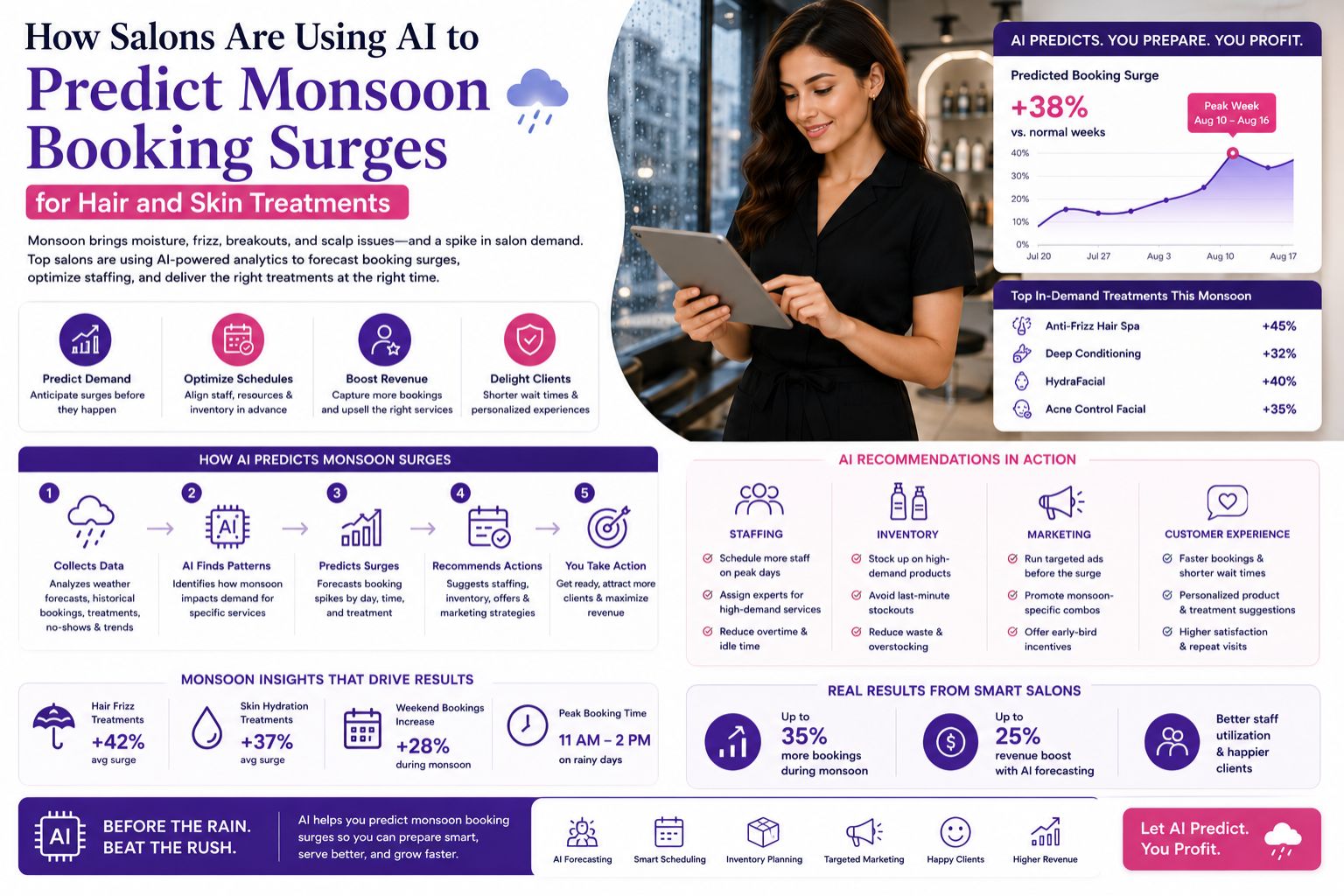


Salons are now turning to AI to predict monsoon booking surges for hair and skin treatments, but honestly, this shift leaves customers wondering if they'll get an appointment during the rainy season. Many clients face long waits or last-minute cancellations just when their skin feels oily and their hair becomes frizzy, and honestly that creates real dissatisfaction with service availability.
What This Monsoon Booking Surge Means for Your Salon Visit
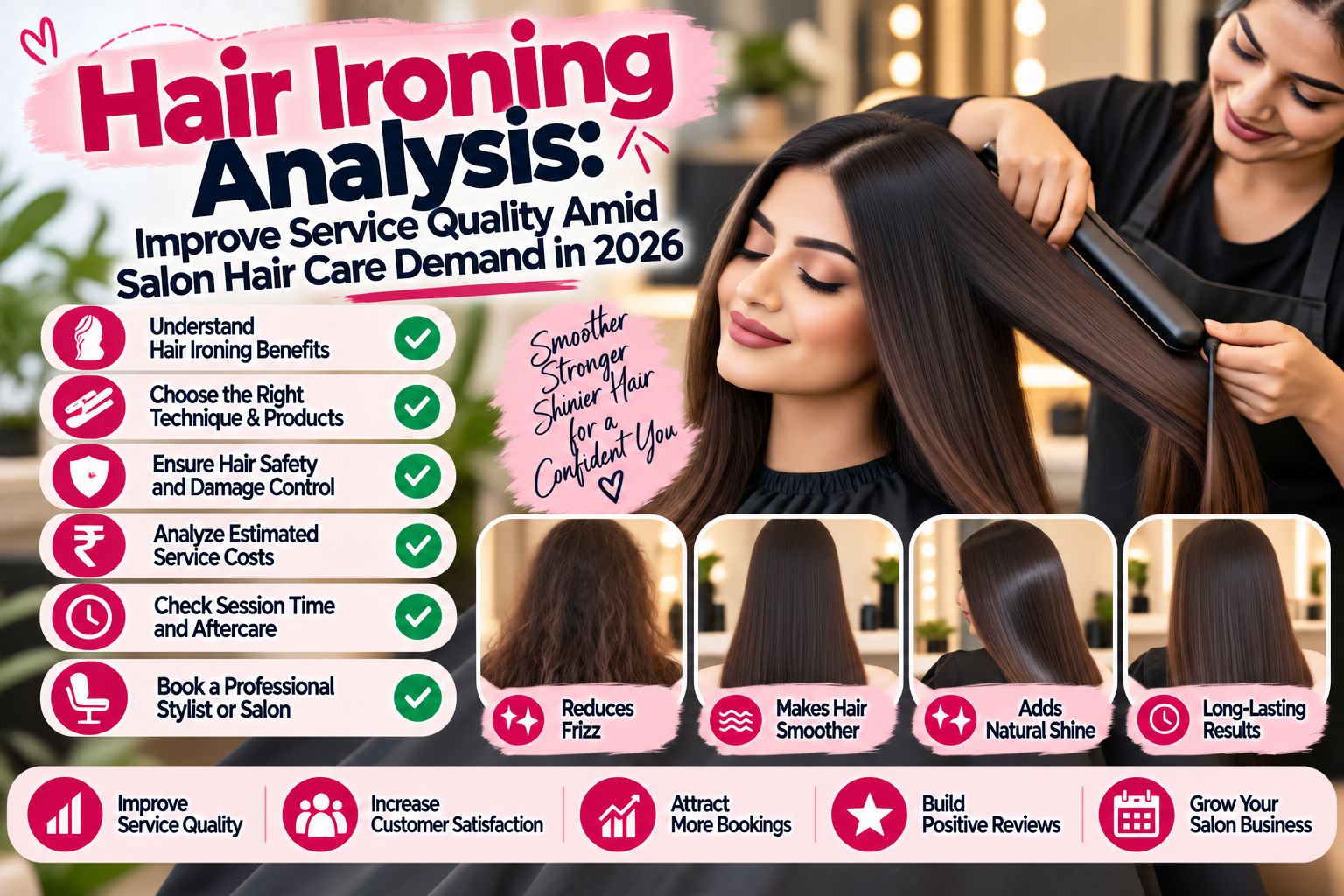
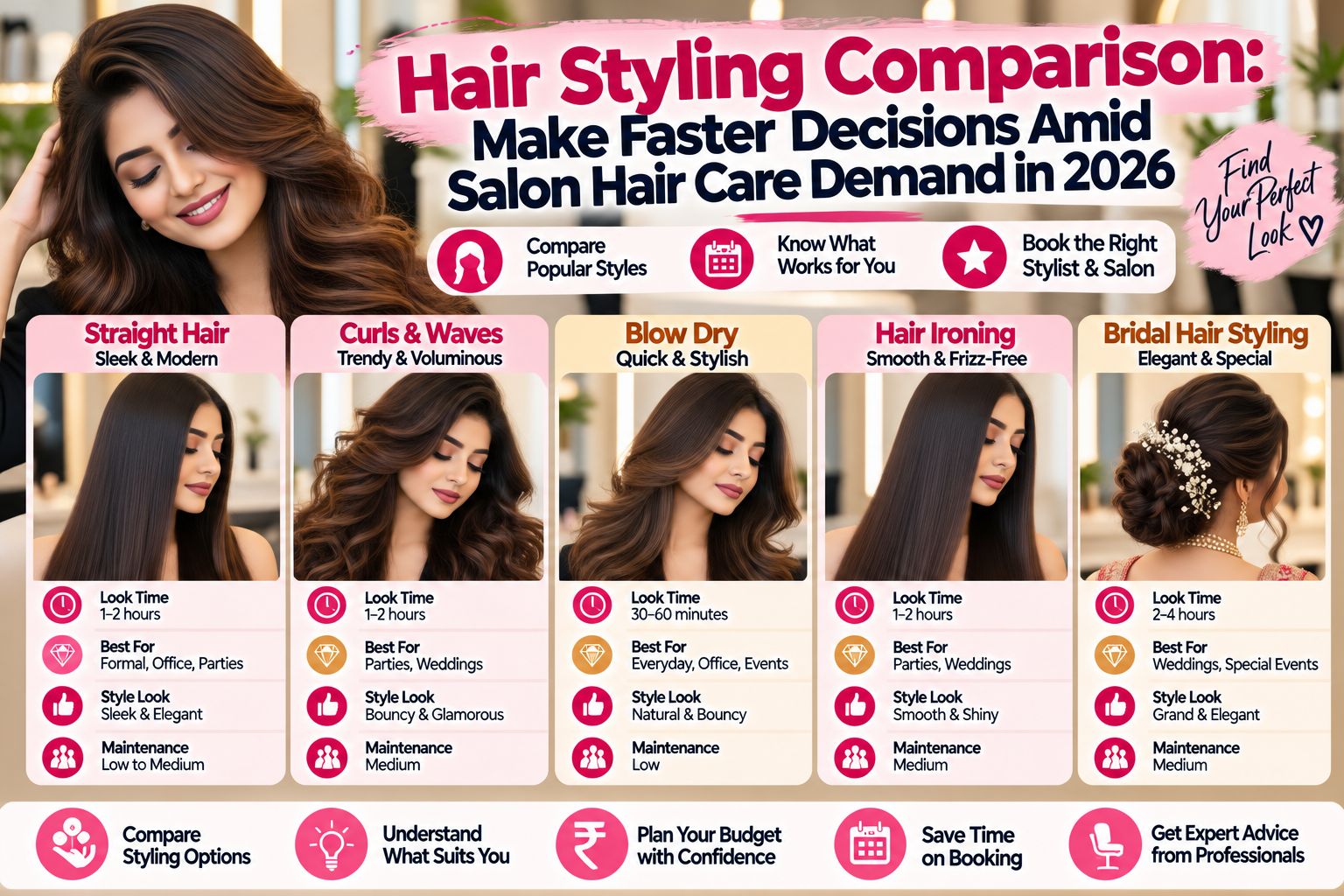
When humidity rises, salons see a sharp increase in requests for deep conditioning hair treatments and oil-control facials, but AI predictions often overlook how skin sensitivity changes with weather — like, it's not just about what you want, it's about what your skin can handle. A common observation is that customers book for anti-frizz keratin treatments, only to find the salon is fully booked for weeks, forcing them to settle for a basic trim instead.
Reality Check: What Actually Happens on Indian Skin and Hair During Monsoon
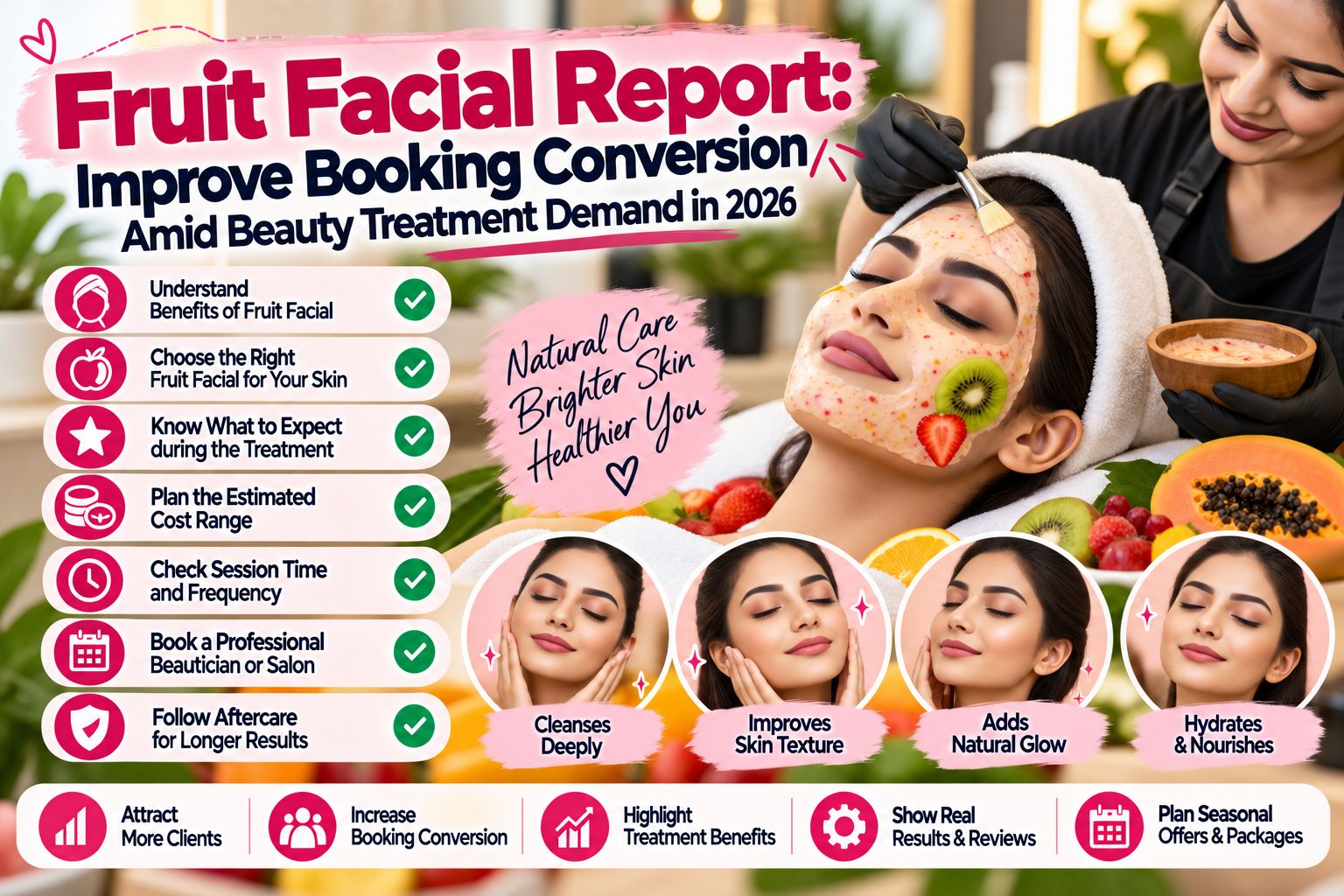
On Indian skin, monsoon humidity triggers excess sebum production, making acne-prone areas worse, while hair becomes brittle from moisture overload even with regular care. A non-obvious detail people overlook is that AI models might predict a surge for hydrating facials, but then salons run out of stock for products suited to oily combinations used during this season — so you're left with no option.
Mistake or Risk: Wrong Assumptions About Monsoon Service Blind Spots
The biggest mistake customers make is assuming AI predictions guarantee seamless booking, ignoring that climate data can miss local infection outbreaks like fungal irritation on the scalp — I mean, who thinks about that when booking? A common misunderstanding causing dissatisfaction is that clients book advanced hair smoothing treatments without realizing the service stops working effectively if humidity levels remain above 80% within the first 48 hours.
Decision Help: How to Time Your Booking and Avoid Disappointment
To avoid missing out, plan your appointment two weeks ahead based on historical monsoon patterns, not just AI alerts, and confirm if the salon stocks backup products for unexpected rashes or burns — because nobody wants to deal with that after a facial. Many people overlook that parlourtime provides insights into service timing and availability during these surges, helping you choose the right slot for your skin care routine without the last-minute panic.
FAQ
-
q: Will AI based monsoon predictions help me get a salon appointment faster?
-
a: AI predictions can improve salon planning, but they do not guarantee immediate availability unless you book early and check for real time slot openings — honestly, don't rely on it completely.
-
q: Can monsoon weather affect my hair treatment results permanently?
-
a: High humidity during monsoon can reduce the longevity of smoothing treatments and cause frizz to return sooner, but it will not cause permanent damage if aftercare is followed — so don't panic.
-
q: Are skin treatments like facials safe during the rainy season?
-
a: Most facials are safe if you choose oil controlling or clarifying options, but avoid heavy hydrating treatments if you have oily acne prone skin to prevent breakouts — it's just common sense.
-
q: What is the best way to secure a booking for a hair treatment during monsoon?
-
a: Book at least 10 to 14 days in advance using salon data tools or directly contact the parlourtime app to monitor backlog patterns for peak rainy days — that's your safest bet.