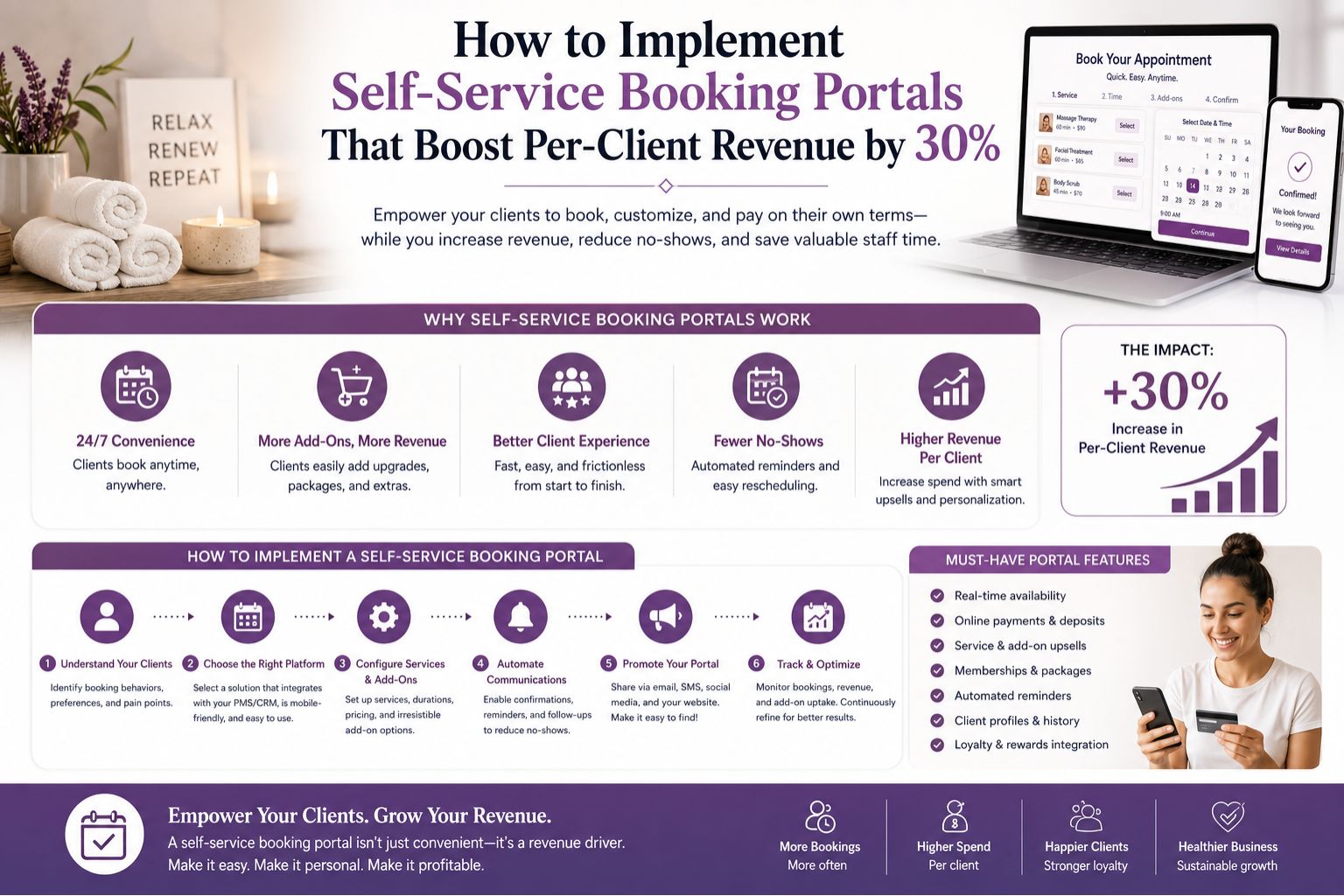


Many salon owners are realizing that a simple online booking system is not enough to increase earnings, and the real opportunity lies in how you structure the portal to encourage higher spending during the booking process, without relying on upselling at the counter — but honestly, most of us don't think about this until we see the numbers not moving.
What a Self-Service Booking Portal Actually Does for Your Salon Revenue
A self-service booking portal isn't just a calendar tool; it acts as a digital front desk that can automatically suggest add-on services, premium upgrades, or package deals when a client selects a base service, such as a basic haircut or facial, and this automated suggestion is often overlooked by traditional booking methods that only show availability — like, my clients never even saw what else I offered until they were already in the chair.
The Reality Check: Why Most Booking Systems Fail to Generate Extra Revenue
In Indian salons, a common mistake is treating the portal as a simple appointment scheduler, which leads to missed revenue because clients rarely browse the full service menu when they only see a list of slots, and they end up booking only the cheapest option available — I've seen this happen so many times, clients just pick whatever is fastest or cheapest without thinking.
The Hidden Mistake: Overlooking Service Dependencies and Timing Constraints
A critical blind spot is not mapping service dependencies within the portal, such as ensuring a hair treatment is only bookable after a consultation slot, or requiring a skin sensitivity check before a salon facial, which when ignored, causes booking errors and client dissatisfaction that damage trust and repeat revenue — and honestly, I've had clients walk out because the system let them book something they weren't ready for.
Decision Help: How Clients Choose to Spend More During Booking
When a booking portal clearly shows time-based packages like a bridal preparation bundle or a weekly hair damage repair session, clients naturally select higher-value options because the portal reduces their decision fatigue, making it easier for them to commit to a premium service without feeling pressured by a receptionist — and I've noticed that when they see everything laid out, they actually spend more than I expected.
FAQ
q: Can I set up a self-service booking portal for free?
a: Most basic tools offer free trials, but for features that boost revenue like automated add-ons, you usually need a paid plan, and platforms like Parlourtime's blog explain how to start with minimal cost.
q: Will clients actually use the portal to book expensive packages?
a: Yes, if the portal is designed to show the value of a package compared to individual services, such as a wedding bridal package versus separate bookings, which reduces the perceived cost through bundling — but you have to make it obvious, not hidden in some menu nobody clicks.
q: How do I prevent clients from booking only the cheapest service?
a: You can limit available slots for low-margin services or require a deposit for premium services, pushing clients toward higher-value options, and this FAQ section covers deposit strategies.
q: Is it safe to integrate payment in the booking portal?
a: Yes, but ensure your portal has PCI compliance and offers a refund policy for service cancellations, as this builds trust and reduces chargebacks, which is critical when handling bridal preparation payments — though honestly, I was nervous about this at first, thinking clients would ask for refunds all the time.