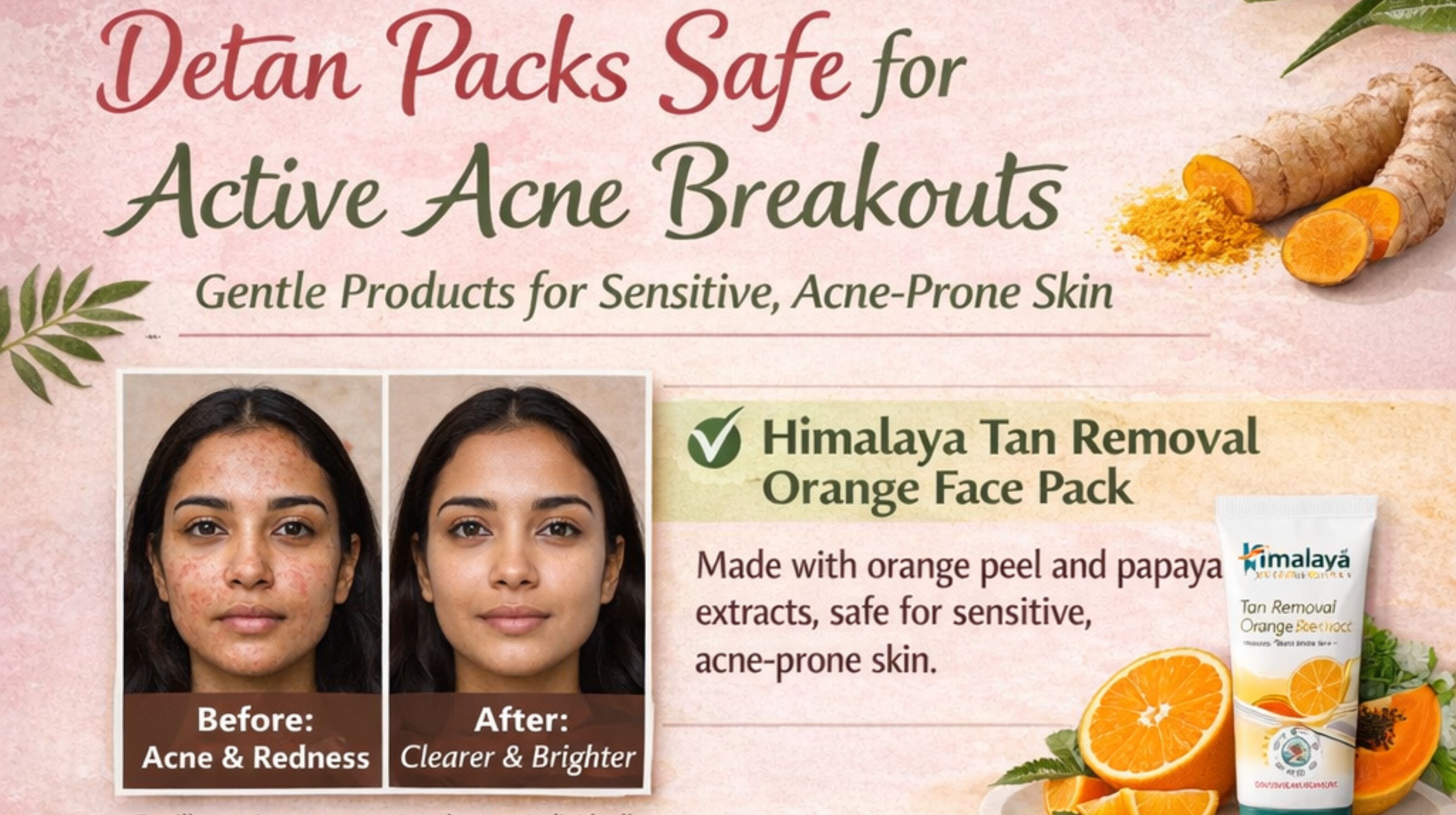


Putting a detan pack on angry, active acne is one of those things that seems like it might help, but usually just makes everything worse. It's a common slip-up that can ramp up irritation and slow down healing, which is why so many people are looking for brightening options that don't backfire.
What a Detan Pack Means for Acne-Prone Skin
In theory, a detan pack is meant to tackle surface pigmentation and even out your skin tone. But here's the thing: the very ingredients that make it work for brightening—the exfoliants and active agents—often work directly against what inflamed skin needs most, which is to be calmed down.
The Reality of Applying Detan on Active Acne
In practice, it's a bit of a disaster. The physical scrubbing can pop pustules, spreading bacteria around. And those potent brighteners, whether it's vitamin C, glycolic acid, or even some natural exfoliants, can seriously aggravate the inflammation. What a lot of people don't realize is that this irritation can actually cause more dark spots afterwards—the exact opposite of what you want.
Common Mistakes and Skin Risks
The big mistake is thinking of a tan and acne as two separate problems you can tackle at once. When you layer a detan treatment on top of active breakouts, you're often inviting severe redness, a burning feeling, and a damaged skin barrier. That's the point where this approach completely falls apart—your skin's protective layer gets compromised, making everything more sensitive and harder to treat.
How to Decide on Treatment and Timing
You have to get your priorities straight. The active breakout has to be healed first. Stick with gentle, non-comedogenic products to settle the inflammation. Only once the skin is calm should you even think about introducing targeted brightening treatments. It's about sequencing—managing the acne first, then dealing with the pigmentation. It's a principle you see in other fields, like in professional software and product development, where you have to solve the most critical system issues before layering on new features.
FAQ
Can I use a homemade detan pack on acne?
I really wouldn't. Homemade packs with things like lemon juice or turmeric are often highly acidic or irritating and can make open acne lesions much worse, upping the risk of infection.
What should I use instead during a breakout?
Simplify. Go for a routine with a salicylic acid cleanser, maybe a niacinamide serum, and a light, non-comedogenic moisturizer. The goal is to control oil and reduce inflammation without stirring up more pigmentation.
When is it safe to start using a detan pack after acne?
Hold off until there are no more inflamed, raised pimples. You should only be dealing with flat marks or post-acne spots. That usually means waiting a solid 2-4 weeks after your last active breakout has completely settled.
Are there any detan ingredients safe for acne-prone skin?
Some are gentler than others. Ingredients like lactic acid or kojic acid can be better options. But the rule is always the same: patch-test on a small, clear area of skin first. You don't want to find out it's a problem by reacting all over your face.