

Many barbers and stylists feel increased pressure to meet compliance standards during busy service weeks. When you manage multiple appointments and walk-ins, it becomes easy to overlook a small hygiene step or forget a proper consultation. I mean, we've all been there—one minute you're finishing a fade, next minute a walk-in is already in the chair. These oversights are rarely intentional. Yet when compliance checks happen or a client raises a concern, the same overlooked details create stress. Understanding what compliance really means during a standard men’s haircut helps you prepare better and serve clients with confidence. Compliance is not about rigid rules alone. It is about creating a consistent, safe, and comfortable experience for every customer who sits in your chair. This week, focusing on a few key areas can protect your business and improve client satisfaction, honestly without making your head spin.
Hygiene and Sanitation Standards You Should Follow
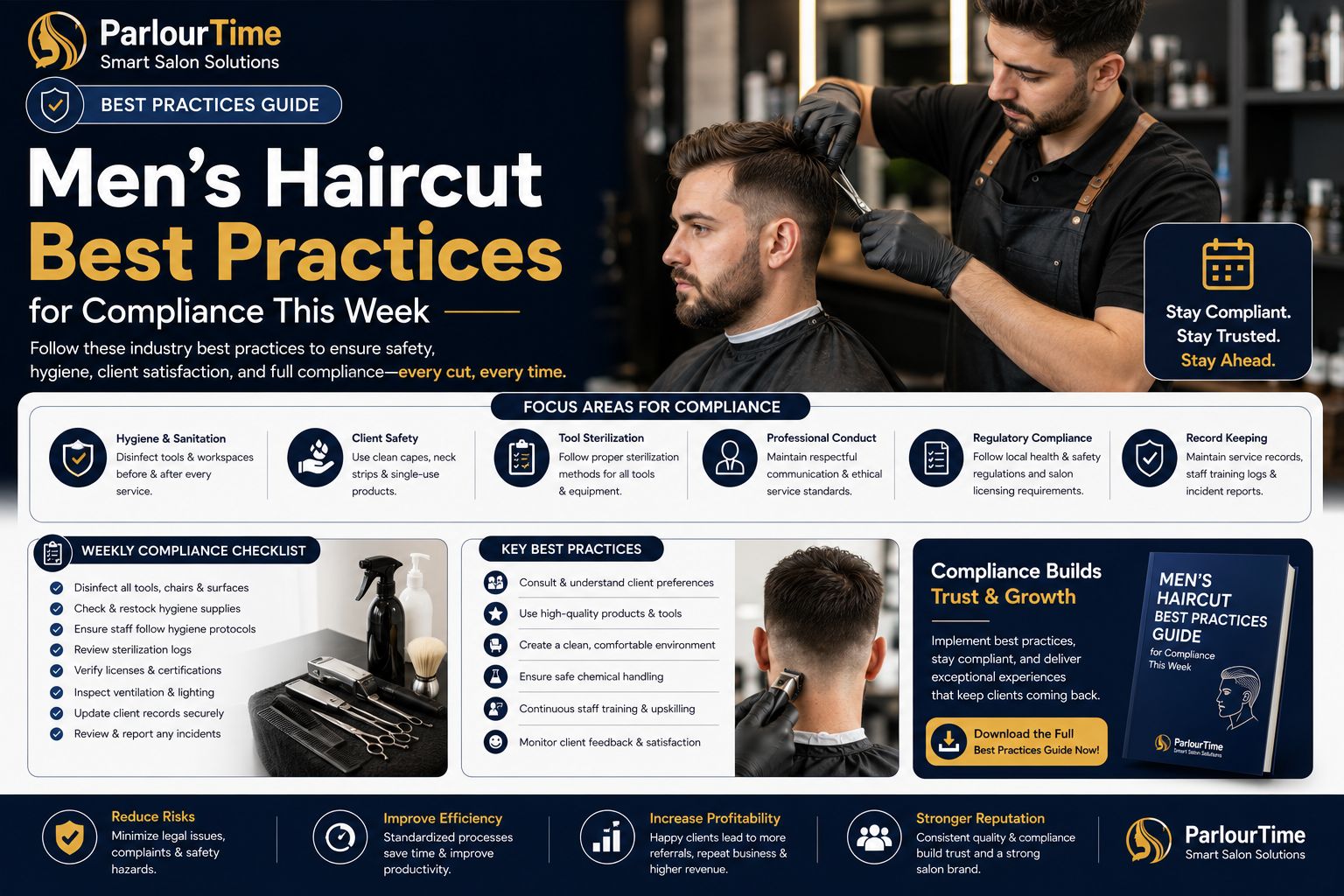
In many salons and barbershops—especially the ones I've been to here in India—hygiene compliance comes down to a few essential steps that are easy to verify, if you're paying attention. Disinfecting clippers, trimmers, and scissors between each client remains the most visible sign of a professional setup. Many clients notice if tools are picked up from a clean drawer or wiped down in front of them. I know I personally watch what my barber does with those clippers. Using fresh towels, neck strips, and capes for every customer is another non-negotiable practice. Even small items like combs and brushes should be kept in a sanitizing solution or replaced regularly—don't just dip them in water and call it a day. Handwashing before and after each service sounds obvious, but during a rush, it is the step most likely to slip. You think you'll remember, but then three clients later you realize you skipped it. Reusable tools must be cleaned according to manufacturer guidelines. Disposable items should never be reused, no matter how tempting it is. These practices are not just for inspection purposes. They directly affect your clients’ trust and their willingness to return.
Consultation and Client Communication Before Cutting
A proper consultation is a compliance requirement that many barbers treat as optional, which honestly surprises me. Before beginning any haircut, you must confirm what the client expects. This includes discussing length, style, hair texture, and any existing scalp conditions—yes, even if you've cut them before. Failing to document verbal agreements can lead to disputes later. Even a simple note about the desired fade length or beard trim detail protects both you and the client. I've seen guys walk out angry because they said "short" and got something different. Asking about allergies to products or sensitivities to certain metals in clippers is a responsible step. Some clients may have conditions like psoriasis or eczema that require extra care. If you note these details before starting, you reduce the risk of irritation or reaction. A consultation also helps manage expectations. Clients who feel heard are less likely to complain about results after the service, even if it's not exactly what they pictured.
Common Compliance Mistakes in Busy Service Hours
When the shop gets crowded, compliance mistakes happen more frequently. One common error is skipping the disinfection step between walk-in clients because you assume they saw you clean the last tool. Another mistake is reusing a cape or towel because you ran out of clean stock. These shortcuts are risky, because they violate hygiene standards and can spread infections. Skin infections, fungal issues, and even minor irritations can result from cross-contamination—I've heard horror stories from friends. Another frequently overlooked area is the workspace itself. Hair clippings left on the floor or counter can become a slipping hazard or create an unhygienic environment. And let's be real, nobody wants to sit in a mess. Taking two minutes between clients to wipe down your station and sweep the chair area keeps your workspace compliant and presentable. Clients notice a clean shop, and they associate cleanliness with professionalism. It's that simple.
Making Informed Decisions for a Hassle-Free Service Week
The easiest way to stay compliant this week is to build simple routines into your workflow. Set up your station with separate containers for clean and used tools. Keep disinfectant spray and wipes within arm’s reach so you never have to search for them. Pre-book appointments with enough gap time to sanitize properly. If you accept walk-ins, communicate clearly about wait times so you do not rush through hygiene steps. It is also wise to refresh your training on local health regulations every few months. Many barbers find that reviewing basic sanitation protocols reduces anxiety during surprise inspections. If you are unsure about a specific product or tool requirement, check with your salon manager or local beauty association resources. Staying informed prevents last-minute panic. Some professionals use tools like parlourtime to review salon best practices and keep their knowledge updated between busy weeks. Small adjustments to your routine make compliance feel automatic rather than stressful—and honestly that's the goal. When you prioritize these steps, your clients feel safer and your reputation grows stronger.
Frequently Asked Questions
q What are the most important hygiene steps for a men's haircut this week? a Disinfecting clippers and trimmers between clients, using fresh towels and neck strips, and washing hands before each service are the most critical hygiene steps.
q How do I handle a client who complains about hygiene during a haircut? a Apologize sincerely, stop the service if needed, explain your standard cleaning routine, and offer a redo or refund if the issue is valid.
q Can I reuse a cape if I only used it for one quick trim? a No, capes should be fresh for every client to prevent cross-contamination from hair clippings and skin contact.
q What should I ask during a consultation for a men's haircut? a Ask about desired length, style preferences, hair texture, scalp conditions, and allergies to products or metals.
q Is it necessary to sanitize combs and brushes after every use? a Yes, combs and brushes should be cleaned and sanitized between each client to prevent the spread of bacteria and fungi.
q How often should I deep clean my clippers and trimmers? a Deep cleaning should happen daily or after heavy use, while surface disinfection should occur after every client.
q What do I do if a client has visible scalp irritation before the haircut? a Politely inform the client, avoid cutting over irritated areas, and recommend consulting a dermatologist before proceeding with the service.
q How can I stay updated on compliance rules without spending too much time? a Reviewing beauty service guidelines through resources like parlourtime or checking local health department updates once a month keeps you informed.