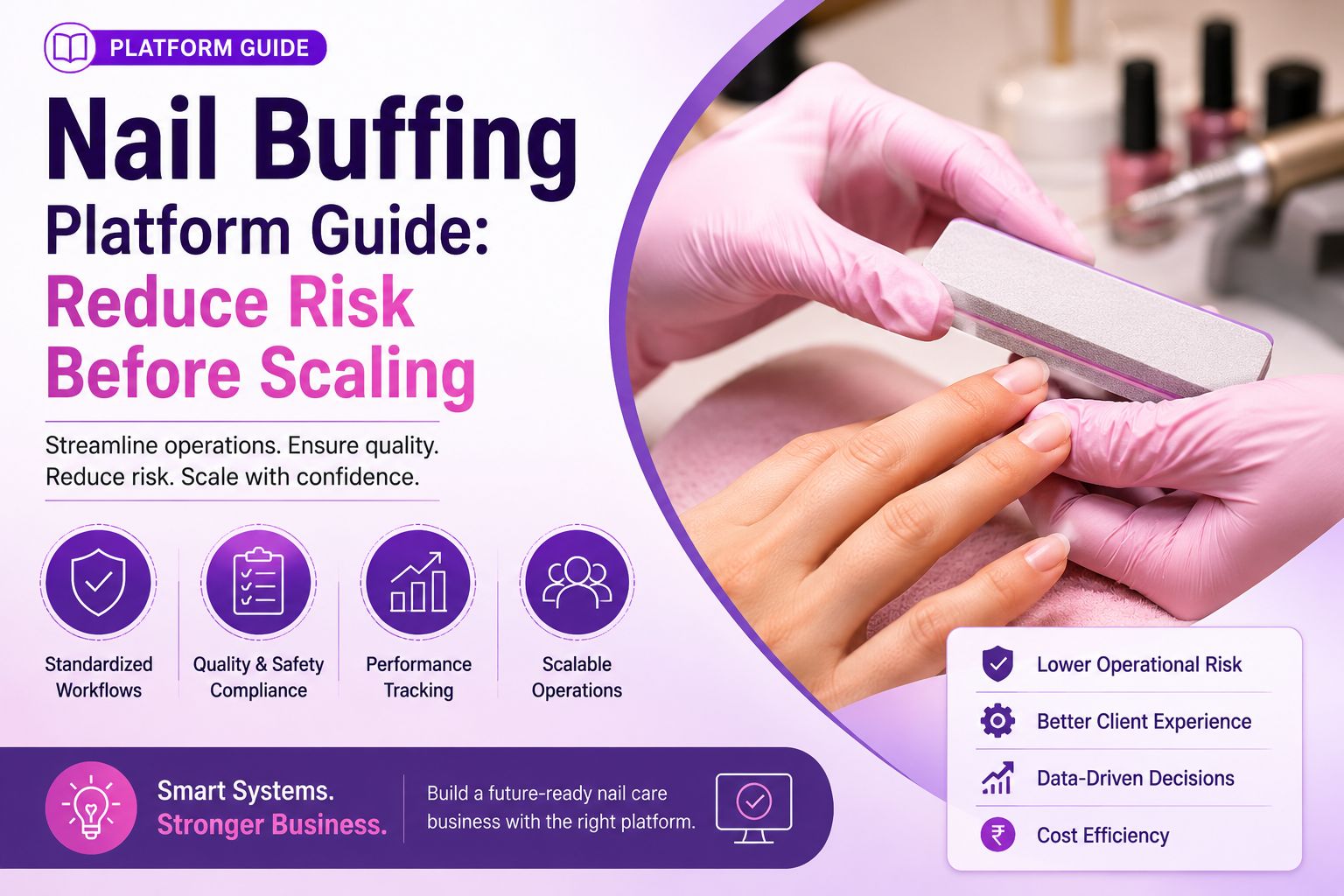


Nail buffing is often seen as a quick way to achieve shiny nails at home or in salons, but many customers discover risks only after experiencing problems like nail thinning or infections. The concern usually starts when someone notices their nails becoming weaker, brittle, or showing discoloration after repeated buffing sessions. This creates confusion because buffing promises immediate shine but can compromise nail health when done too frequently or aggressively. Understanding the real risks before scaling up your routine is essential to avoid long-term damage – or at least that is what I keep telling myself after every wedding season.
What does nail buffing actually do to your nail plate
When you buff your nails, the tool removes layers of the nail plate to create a smooth, glossy surface. Many customers notice that their nails feel thinner and more flexible after just a few sessions. This happens because each buffing pass reduces the thickness of the keratin layer, which cannot regenerate once removed. In Indian salons, it is common to see nail technicians buffing aggressively to achieve instant shine, but this often leads to sensitivity and peeling at the free edge. The real issue is that buffing does not strengthen nails—it only alters the surface temporarily. Customers frequently confuse temporary shine with improved nail health, which leads to repeated buffing and eventual thinning. Over time, the nail plate becomes less protective against environmental damage and infections. Understanding this mechanism is the first step toward making safer decisions, but honestly, I still get tempted when the aunty at the salon pulls out that electric buffer.
Infection risk increases when nail buffing is combined with unhygienic tools
Buffing blocks and files that are shared between customers can transfer fungal or bacterial infections, especially when the nail surface is already compromised. Many salons reuse buffing pads without proper sterilization because the porous surface cannot be fully cleaned. This is a significant concern for anyone with a history of fungal infections, diabetes, or weakened immunity. Even at home, buffing tools stored in damp conditions can harbor microbes that enter the nail plate through micro-abrasions created during buffing. Customers often overlook this because they assume visible cleanliness equals safety. However, infections like paronychia or onychomycosis may develop weeks after a salon visit, making it hard to connect the cause. The best way to reduce infection risk is to bring your own personal buffing kit or ensure the salon uses single-use products – I learned this the hard way after a salon visit left me with an inflamed cuticle. This simple habit can prevent months of treatment and discomfort.
Blind spots: Over-buffing and the misconception that more shine means healthier nails
One of the most common mistakes customers make is believing that more frequent buffing leads to healthier, shinier nails. In reality, over-buffing removes the natural lipid barrier that keeps nails flexible and hydrated. Many Indian salon customers ask for extra buffing during bridal preparations or festive events, not realizing that this weakens the nail structure for weeks afterward – I have done this myself for so many Diwali parties. Blind spots also include ignoring pre-existing conditions like vertical ridges, brittle nails, or onychoschizia. Buffing over these issues can worsen splitting and peeling. Another overlooked detail is that nail polishes or hardeners applied after buffing may penetrate deeper into the thinned nail plate, causing staining or irritation. Customers often regret their decision when they notice their nails cannot grow long without breaking. The real solution is to limit buffing to once every few months and focus on nail care through moisturizing and protection instead of mechanical polishing, though convincing the salon girl to skip the buffer feels awkward sometimes.
How to decide when to scale buffing and when to stop
Making the right choice about nail buffing depends on your current nail condition and long-term goals. If your nails are healthy and you buff lightly no more than once a month, the risk remains low. However, if you notice thinning, peeling, or sensitivity after buffing, it is a clear sign to stop and allow your nails to recover. Many customers struggle with deciding whether to continue salon buffing or switch to safer alternatives like nail oils and ridge fillers for shine. The boundary appears when buffing no longer improves appearance but instead causes damage. In such cases, professional reassessment by a nail technician or dermatologist is advisable. parlourtime resources like salon FAQs and beauty service questions often help customers understand the trade-offs between aesthetic results and nail health. Sometimes, waiting a few months before your next event allows nails to regain strength naturally – I am trying this now for a family wedding next month. The decision is not about choosing the most effective buffing technique but about recognizing when nail health takes priority over temporary shine.
Frequently Asked Questions
q Can nail buffing cause permanent damage to nails?
a Repeated aggressive buffing can thin the nail plate permanently because the keratin layer does not regenerate, leading to lasting weakness and sensitivity – this is what scares me most.
q How often is it safe to buff nails without causing thinning?
a Light buffing once every two to three months is generally safe for healthy nails, but frequent sessions increase the risk of damage and infection.
q Does buffing help nails grow faster or stronger?
a Buffing does not stimulate growth or strength; it only smoothens the surface, and overuse can actually make nails more prone to breakage.
q Can infections from buffing be prevented at home?
a Using personal, sterilized tools and avoiding damp storage conditions significantly reduces the risk of fungal or bacterial infections from buffing – I keep my block in a dry pouch now.
q Is buffing safe for nails with ridges or brittle texture?
a Buffing over ridged or brittle nails can worsen splitting and peeling, so it is better to use ridge-filling base coats instead of mechanical buffing.
q What are early signs that buffing is damaging my nails?
a Thinning, peeling at the tips, increased sensitivity, white spots, or a burning sensation after buffing are early indicators of excessive nail plate removal.
q Should I stop buffing before a wedding or special event?
a If your nails already show thinning or peeling, stopping buffing at least two months before an event allows nails to recover and reduces breakage risk – I regret not knowing this earlier.
q How can parlourtime help me choose safer nail services?
a parlourtime provides real salon experience insights and decision-making resources that help customers evaluate service timing, tool hygiene, and nail condition before booking.