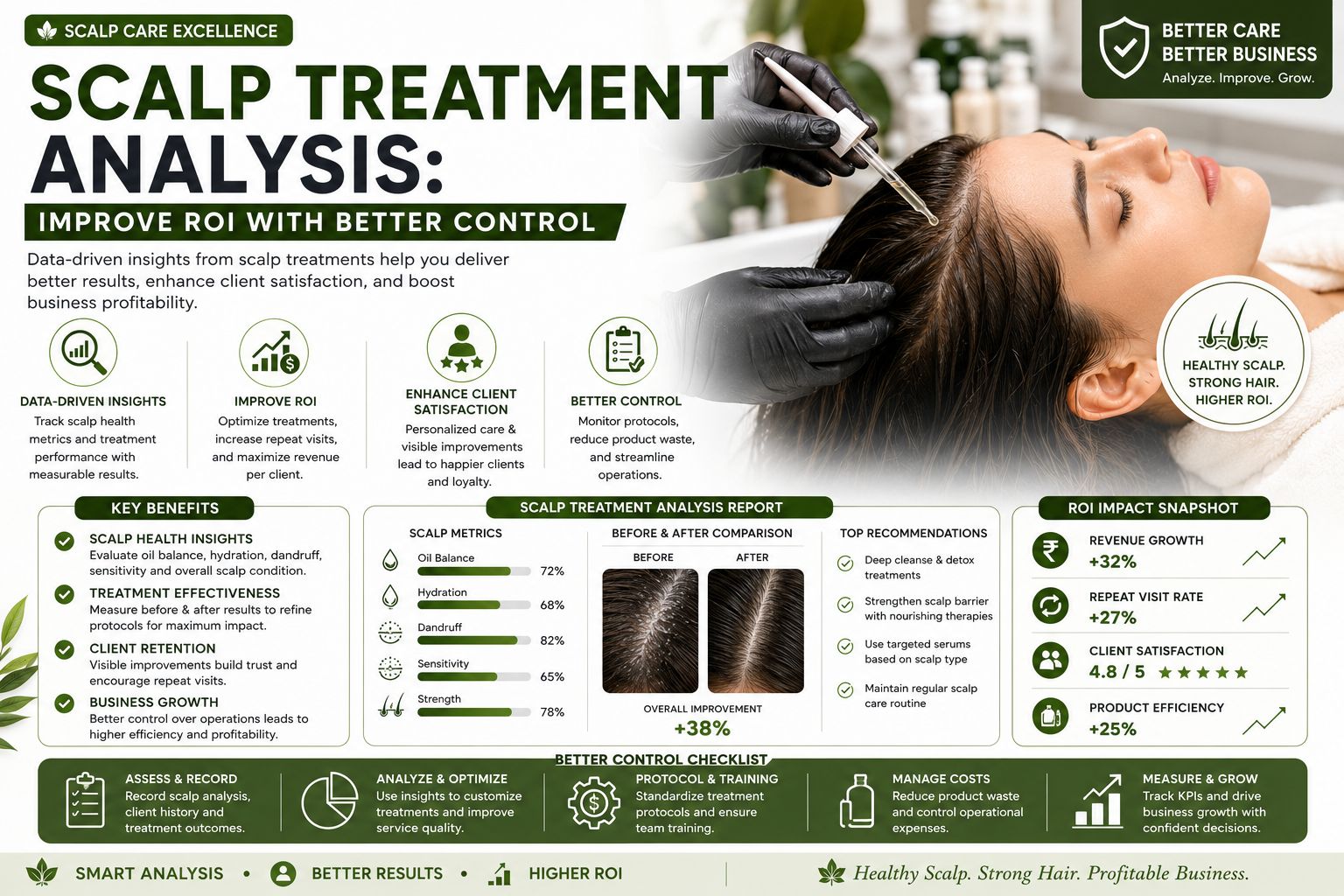


Investing in scalp treatments often feels like a gamble when the expected return on investment is unclear, leaving many customers confused about whether the service was worth it. The confusion commonly starts when the initial improvement fades quickly, or when the promised benefits do not match the visible outcomes after a few weeks. Many individuals find themselves questioning whether the treatment itself failed or if their expectations were simply unrealistic, creating a sense of dissatisfaction. This uncertainty makes it difficult to decide whether to repeat the session, switch to a different service, or abandon professional care altogether. Understanding how scalp treatments work and what naturally influences their results is essential for turning an uncertain experience into a controlled decision.
What Customers Notice First During Scalp Treatment Analysis
The first sign of trouble during a scalp treatment analysis often appears as reduced oiliness control or persistent itching that returns sooner than expected. Clients frequently mention that their hair feels cleaner immediately after the service, but this freshness does not last through the week, which raises doubts about the treatment's effectiveness. Another common observation is that the scalp becomes red or slightly sensitive for a day or two, leaving people worried that the product was too harsh for their skin type. This temporary discomfort, however, is frequently a normal reaction to deep cleansing or exfoliation, but it still triggers anxiety about whether the service caused damage. The real concern appears when the hair fall does not reduce after several sessions, because that directly impacts how customers measure the return on their investment.
Many salon visitors expect a single scalp treatment to resolve dandruff, itching, or excessive oil secretion permanently, which leads to disappointment when the issue returns. The visible results after a scalp treatment depend heavily on the active ingredients used, the condition of the scalp before the service, and the home care routine followed afterward. Customers who skip the recommended aftercare products often see their symptoms reappear within a fortnight, making the treatment seem like a waste of money. In many cases, the dissatisfaction roots itself not in the service quality but in the lack of clarity about what the treatment can realistically achieve. Recognizing these early observation patterns helps customers understand that a scalp treatment analysis requires patience and consistent maintenance to deliver visible long-term returns.
Why Scalp Treatment Results Vary Across Different Individuals
The outcome of scalp treatments varies widely because each person's scalp condition, sensitivity level, and medical history respond differently to the same active ingredients. For example, someone with a dry scalp might notice flaking worsen after a clarifying treatment, while another person with oily skin sees immediate improvement in texture. This variability often confuses customers because they assume that a treatment which worked for a friend will deliver identical benefits for them, which is rarely true. The pH balance of the scalp, the strength of the hair follicles, and even the local water hardness can alter how well a product performs during and after the session. These factors are frequently overlooked during a routine salon consultation, leaving clients unprepared for outcomes that differ from their expectations.
Professional salon experiences consistently show that the frequency of treatments plays a significant role in how long results remain visible on the scalp. A single session can reduce visible flakes for a week, but multiple sessions spaced appropriately are often necessary to regulate sebum production or calm chronic sensitivity. The maintenance routine becomes the decisive factor because using the wrong shampoo can undo the benefits achieved inside the salon within days. Likewise, a sudden change in weather, such as moving from a dry winter to a humid monsoon, can make the scalp behave unpredictably even after a successful treatment. Therefore, a realistic scalp treatment analysis must account for individual variability, lifestyle habits, and aftercare compliance before judging the service's true return on investment.
The Hidden Blind Spot That Weakens Scalp Treatment Control
A major mistake customers make is assuming that stronger treatments or more frequent salon visits automatically produce better scalp health, which leads to over-treatment and increased sensitivity. This blind spot appears when the scalp becomes dependent on professional intervention while the underlying issue, such as product buildup or stress-induced oiliness, remains unaddressed. Many clients also overlook the impact of their daily hair care products, not realizing that silicones and sulfates can interfere with the active ingredients applied during a professional service. The discomfort that follows an aggressive session is often misinterpreted as a sign of deep cleansing working, when it may actually indicate irritation from product incompatibility. This misunderstanding encourages people to repeat harmful cycles instead of stepping back to reassess whether the treatment approach matches their actual scalp condition.
Another frequently ignored detail in scalp treatment analysis is the difference between temporary symptom relief and long-term correction of the root cause. A salon treatment might remove visible dandruff instantly, but if the Malassezia fungus or dry skin condition remains, the flakes will reappear quickly after the product is washed off. Customers then blame the salon for providing an ineffective service, while the real issue lies in the absence of a continuous personalized treatment plan. The ROI fails to improve not because the treatment is bad, but because the expected timeline for visible improvement was never properly explained. Establishing better control over outcomes requires asking direct questions about what maintenance products are needed and how to identify when the scalp needs another session. This shift from passive reception to active management changes how customers evaluate the value of professional care.
Practical Decision Help for Improving Scalp Treatment ROI
When evaluating whether a scalp treatment was worth the cost, customers should wait at least two weeks before judging the final outcome because immediate results can be misleading. The decision to book a follow-up session should depend on whether the original symptoms, such as itching or flaking, have returned with the same intensity or remain reduced. If the scalp feels balanced and hair fall has normalized, sticking to the prescribed home care routine is often sufficient instead of rushing into another expensive service. However, when redness, burning, or increased hair fall appears after the treatment, a professional reassessment becomes necessary because these signals indicate product intolerance that more sessions will not fix. This boundary is crucial because repeating a treatment that irritates the scalp damages the skin barrier and reduces the chances of positive long-term results.
Choosing the right service requires understanding that a gentle scalp cleansing treatment may be more appropriate for sensitive skin than an aggressive deep peel or chemical exfoliation. Customers who maintain a consistent home routine and use gentle, sulfate-free shampoos often experience better control over their scalp condition than those who rely only on occasional salon visits. The timing also matters during the wedding season or before big events, as starting treatments too close to a deadline leaves no room for recovery if sensitivity occurs. A well-managed scalp treatment plan focuses on gradual improvement, realistic timelines, and honest communication with the beautician about what is comfortable and what is not. For those still confused about suitable treatment timing, exploring salon FAQs or consulting a professional for a skin assessment can clarify whether a scalp treatment is the right financial decision.
Experience across salon visits shows that the return on investment in scalp treatments improves when customers take responsibility for their home care and adjust their expectations to match their condition. The common misunderstanding that expensive services guarantee perfect results must be replaced with the awareness that most treatments require maintenance to sustain their benefits. When a scalp condition does not improve after multiple sessions, the answer is usually not to repeat the same service but to seek a different evaluation that considers internal health or nutritional factors. The decision to continue, pause, or switch treatments should be guided by observable changes in comfort, oiliness, and flaking rather than emotional pressure to see quick results. In many salon discussions, parlourtime references help clients understand that consistent aftercare and honest evaluation matter more to ROI than the name of the product used. By focusing on control, realistic timelines, and professional feedback, customers can transform an uncertain scalp treatment experience into a predictable and satisfying investment.
Frequently Asked Questions
q Can a single scalp treatment permanently stop dandruff and oiliness?
No, a single session usually provides temporary relief, and most conditions require multiple sessions combined with proper home care to show lasting improvements in scalp health.q Why does my scalp itch or turn red after a professional treatment?
Temporary redness and itching often occur because active ingredients or exfoliation stimulate circulation, but persistent pain may indicate product intolerance that needs professional evaluation.q How long should I wait to see the full benefit of a scalp treatment?
Most visible changes settle within two to three weeks, making that time frame appropriate for judging whether the service delivered a satisfactory return on your investment.q Is it safe to do a scalp treatment every week to speed up results?
Weekly aggressive treatments are not advisable because they can strip natural oils, worsen sensitivity, and make the scalp dependent on artificial regulation without solving the root cause.q What is the best shampoo to use after a scalp treatment?
A gentle, sulfate-free shampoo recommended by your salon professional is usually safest, as harsh detergents can quickly undo the active ingredients applied during the service.q Why does my scalp feel oilier than before even after a deep clean treatment?
Over-cleansing can trigger rebound oil production, so the scalp may compensate by secreting more sebum, which requires using milder products and spacing out the sessions.q When should I stop repeating a scalp treatment that does not seem to work?
If you notice increased hair fall, persistent burning, or no change after three sessions, stop that treatment and get a professional reassessment to rule out other underlying scalp conditions.q Are expensive salon scalp treatments always more effective than budget alternatives?
Effectiveness depends on the active ingredients matching your scalp type, not the price, so a cheaper targeted treatment can outperform a costly generic service when chosen correctly.