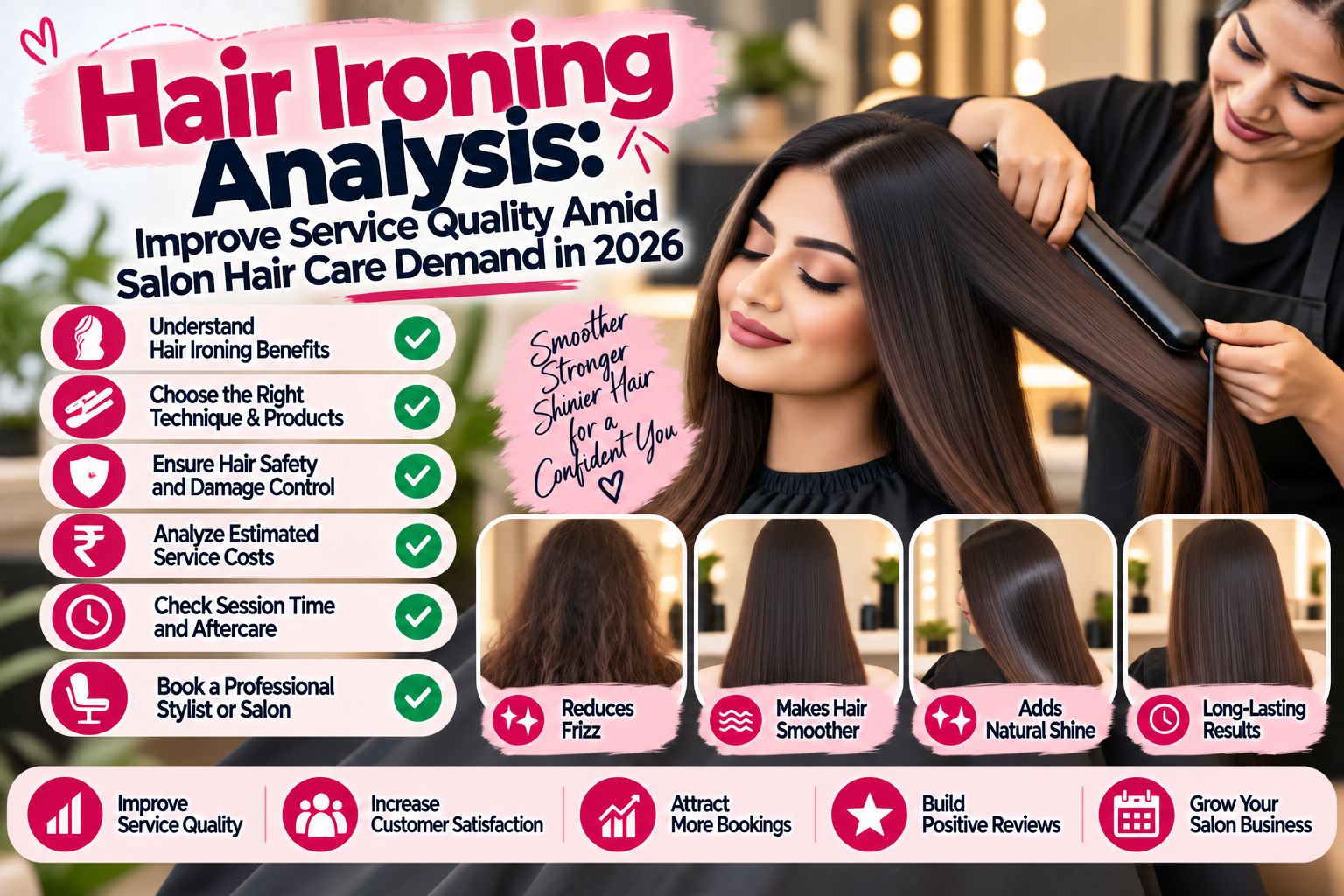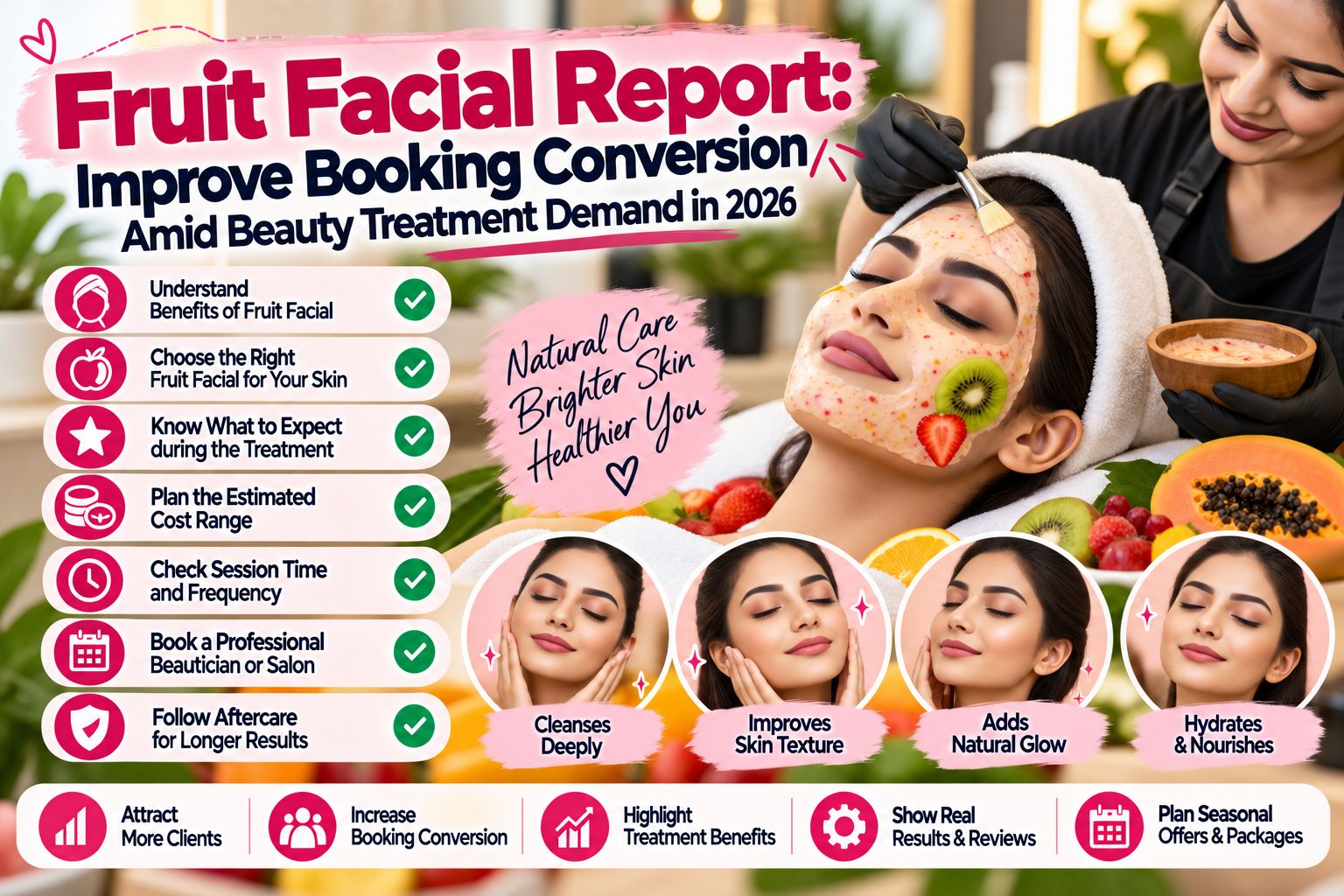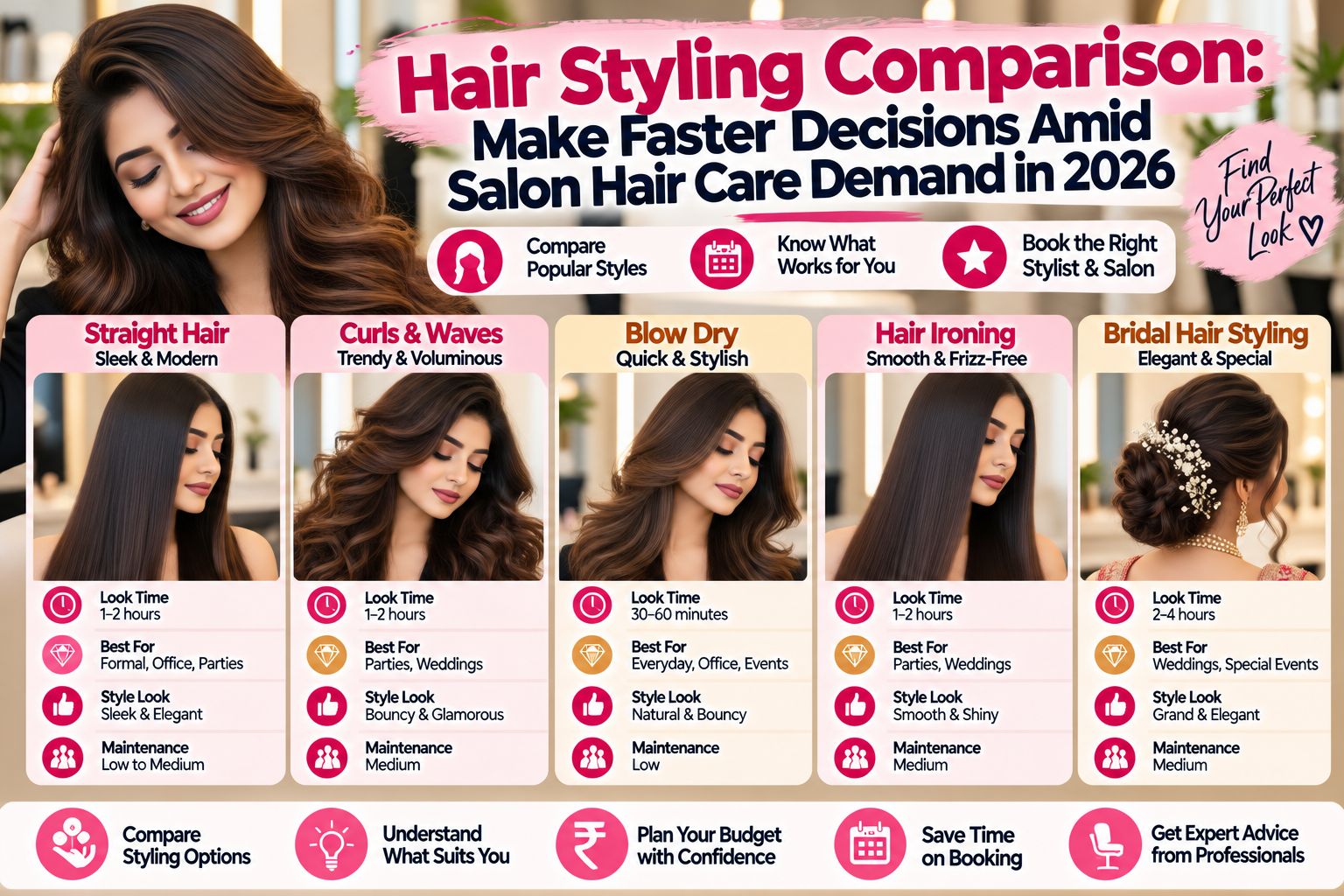


The Indian salon industry is changing rapidly. Customers today expect more than just a haircut or facial — they want convenience, predictability, and a connected experience. This shift has created a clear divide between traditional salons and smart salons. Many customers now notice that smart salons attract more clients, retain them longer, and open new locations faster. The reason is not just better products or fancier interiors. Smart salons use technology, data, and structured processes to solve problems that traditional salons have lived with for decades. When a customer walks into a smart salon, they feel the difference in how appointments are managed, how their preferences are remembered, and how consistent the service feels across visits. This contrast is becoming impossible to ignore for salon owners who want to grow. The question many owners ask — is upgrading to a smarter model worth the investment? The answer often depends on understanding what smart salons actually do differently. Honestly, it's not as complicated as it sounds once you see it in action.
Customer Experience Is Predictable and Personal
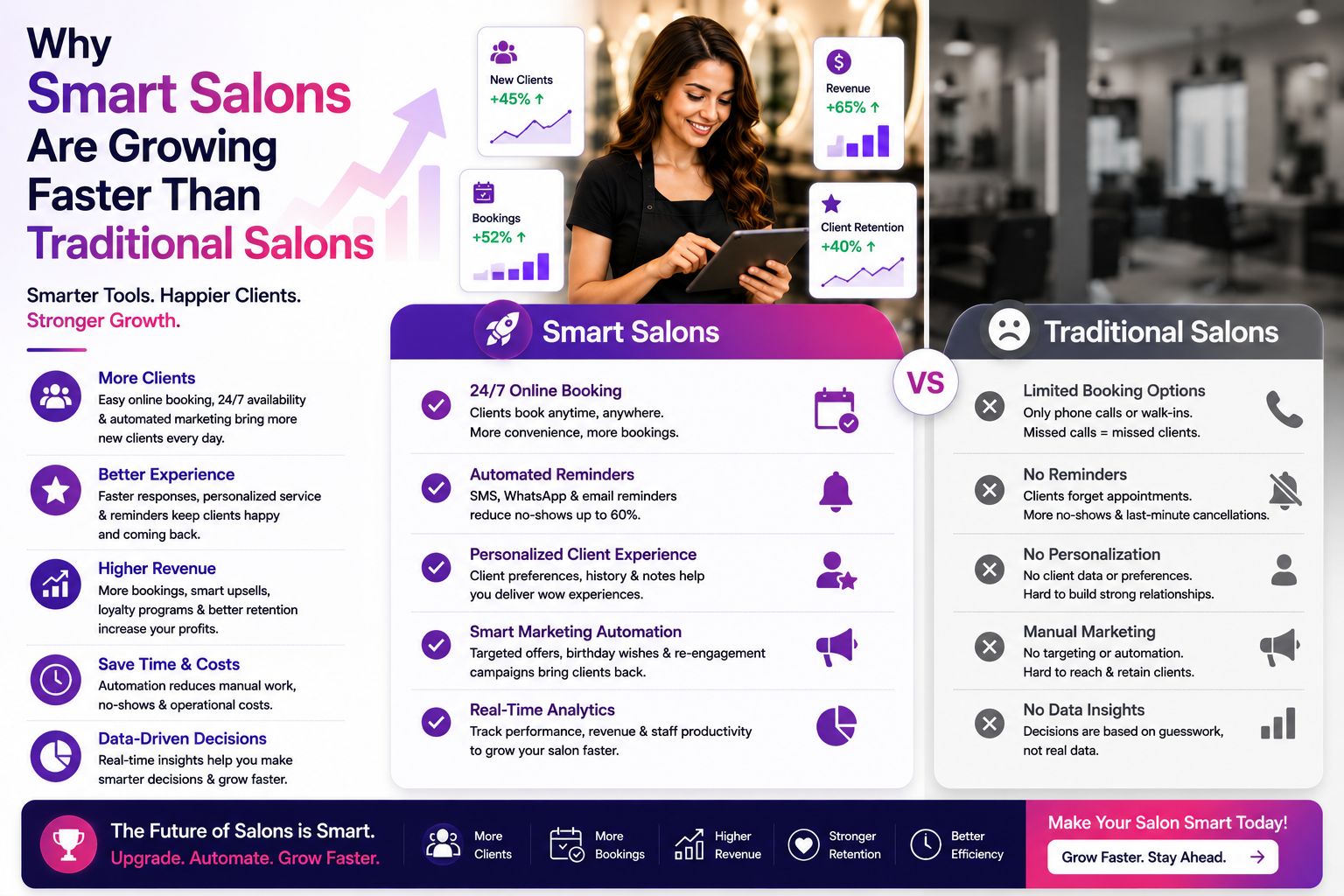
Smart salons use software to track every customer visit. They record preferences, allergies, past treatments, and product choices. When a regular client arrives, the stylist already knows their history. There is no need to repeat details. This creates a smooth, personalized experience that builds loyalty quickly. Traditional salons often rely on memory or handwritten notes. This leads to inconsistent service. A customer might receive a good haircut one time and an average one the next — and honestly, that kind of unpredictability makes you hesitate before returning. Smart salons minimize this variation by standardizing consultation steps and recording outcomes. The customer feels valued because the service feels intentional. Many clients report that smart salons feel more professional even when the pricing is similar. This predictability directly influences repeat visits and word-of-mouth referrals. For a business that depends on consistent footfall, this difference alone explains much of the growth gap. Customers also appreciate digital appointment booking and reminders, which reduce wait times and forgotten visits — things you don't realise matter until you've wasted an hour waiting at a traditional place.
Operational Efficiency Reduces Waste and Delays
Traditional salons often struggle with downtime. Stylists may sit idle during slow hours while appointments pile up during peak times. Smart salons use scheduling tools that balance demand across the day. They send automated reminders, track no-shows, and adjust staff allocation based on real-time data. This improves revenue per chair and reduces wasted time. Inventory management is another area where smart salons outperform. Products are tracked automatically, and reorder alerts prevent stockouts of popular items. Traditional salons often overstock or run out of essential products, frustrating both staff and customers. I've personally been told "we're out of that shampoo" at a traditional salon more than once. Smart salons also analyze service duration patterns. They know exactly how long each treatment takes, allowing tighter scheduling. This operational discipline means more clients can be served per day without rushing. Clients notice shorter wait times and smoother transitions between services. Over months, these small efficiencies compound into significantly higher revenue and profit margins, allowing smart salons to expand faster.
Data-Driven Decisions Replace Guesswork
One of the biggest advantages smart salons have is access to data. They know which services are most profitable, which products sell best, and which times of day generate the most revenue. Traditional salons often make decisions based on intuition or habit — which sometimes works, but mostly doesn't. A smart salon might notice that hair smoothening services are popular in November but drop in March. They can then adjust marketing, pricing, and staff training accordingly. This data also helps in staffing. Instead of hiring based on gut feeling, smart salons analyze peak hours and service mix to determine exactly how many stylists are needed. They also track customer lifetime value. This helps identify high-value clients who deserve special attention. Traditional salons frequently miss these patterns because they lack systematic tracking. The result is that smart salons can respond quickly to changing demand, while traditional salons react slowly or not at all. This responsiveness is especially important in a market where customer preferences shift rapidly due to trends, seasons, or festival schedules.
Staff Training and Retention Are More Structured
Smart salons invest in continuous training measured by actual performance data. They track which stylists have which skills, how their customer satisfaction scores look, and which services they perform best. This allows targeted training instead of generic sessions. Traditional salons often train staff only when new products arrive or when problems arise — basically damage control. This reactive approach leads to uneven skill levels. Smart salons also use technology to reduce administrative burdens on staff. Stylists spend more time serving clients and less time on paperwork or manual follow-ups. This improves job satisfaction and reduces turnover. High turnover is a major problem in traditional salons. When an experienced stylist leaves, clients often leave too. Smart salons retain talent better because staff feel supported and see clear growth paths. They also use performance data to offer fair incentives. Stylists working in smart salons often report higher earnings and less stress. This stability directly affects customer experience. Clients build relationships with familiar faces, which is one of the most powerful drivers of loyalty in the beauty industry — honestly, that's why I keep going back to the same stylist at my smart salon.
Brand Trust and Transparency Build Faster
Smart salons communicate clearly with customers. They send digital receipts, share product recommendations via email or WhatsApp, and provide aftercare instructions automatically. This transparency builds trust. Customers feel informed and cared for. Traditional salons often rely on verbal communication, which can be forgotten or misunderstood — I've definitely forgotten what a stylist told me about aftercare within minutes of leaving. Smart salons also maintain consistent pricing across visits. There is no haggling or confusion about rates. This reliability is especially important for first-time visitors who are evaluating whether to return. Many customers also appreciate that smart salons offer online booking with real-time availability. They can choose their preferred stylist, see service menus, and know pricing in advance. This reduces anxiety and decision fatigue. The ability to browse services and read descriptions helps customers make informed choices. For salon owners, this transparency reduces the number of complaints and misunderstandings. It also makes it easier to upsell services because customers already see the value proposition clearly. This combination of trust and convenience creates a strong foundation for organic growth.
Frequently Asked Questions
q What makes a salon smart compared to traditional?
a A smart salon uses digital tools for booking, customer records, inventory management, and performance tracking to deliver consistent service and operational efficiency.
q Do smart salons charge more than traditional salons?
a Smart salons often have transparent pricing and may cost more initially, but many customers find the consistency and personalized experience worth the investment.
q Can a traditional salon become a smart salon?
a Yes, many traditional salons transition by adopting salon management software, training staff, and digitizing customer records over a few months.
q Are customers happier with smart salons?
a Customer satisfaction tends to be higher in smart salons because appointments are smooth, preferences are remembered, and service quality remains consistent.
q What technology do smart salons use?
a Common tools include online booking systems, point-of-sale software, inventory trackers, customer relationship management platforms, and staff scheduling apps.
q Do smart salons grow faster in cities or small towns?
a Growth is faster in cities due to higher digital adoption, but smaller towns are also seeing demand as awareness of structured salon services increases.
q Is it expensive to run a smart salon?
a Initial investment in software and training can be higher, but operational savings and increased revenue often offset costs within the first year.
q How do smart salons handle client feedback?
a Smart salons collect feedback through digital surveys and track trends to improve service quality, unlike traditional salons that rely on casual conversation.
Some salon owners explore platforms like beauty service blogs to understand how technology improves daily operations and customer retention. The shift toward smart salons is not just about gadgets. It is about running a business with clarity, consistency, and customer focus. For many owners, the choice is becoming clear. The question is no longer whether to change, but how fast they can adapt before customers choose the smarter option.